
Ketogenic Diet For Dogs With Cancer: Complete Beginner’s Guide
Receiving a cancer diagnosis for your canine companion is a devastating blow. As you navigate treatment options with your veterinary team, you’re likely searching for every possible advantage to support your dog’s fight. This is where nutrition becomes a critical pillar of their care plan. Traditional veterinary treatments are essential, but we can no longer ignore the profound impact of what we put in the food bowl. The ketogenic diet is an advanced nutritional strategy that shifts the body’s entire metabolic approach, potentially creating an environment that is hostile to cancer cells.
This is not a trend. This is a calculated, scientific approach to metabolic therapy. We will dissect the mechanisms, expose the myths, and provide you with an actionable framework for discussing and potentially implementing this diet. This guide is for informational purposes only and is not a substitute for professional veterinary advice. Any dietary change for a dog with cancer, especially a ketogenic diet, must be done under the strict supervision of a veterinary oncologist and a board-certified veterinary nutritionist. This is non-negotiable.
Decoding the Enemy: How Cancer Cells Fuel Themselves
The Warburg Effect: Cancer’s Sweet Tooth
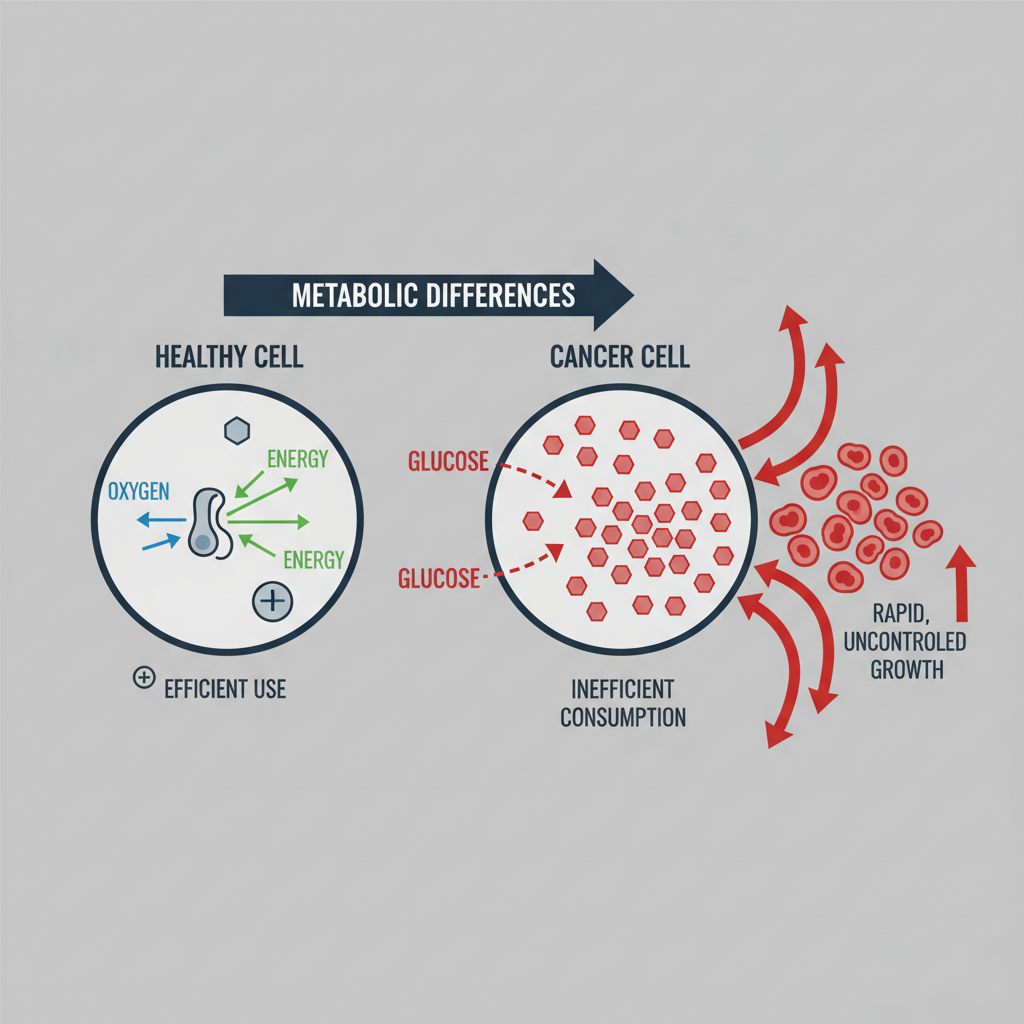
To understand why a ketogenic diet is considered, you first need to understand your enemy’s weakness. In the 1920s, Nobel laureate Otto Warburg discovered that most cancer cells have a unique and inefficient metabolism. Unlike healthy cells, which primarily use oxygen to create large amounts of energy, cancer cells rely heavily on a process called glycolysis. In simple terms, they are voracious sugar-eaters. They ferment glucose (sugar) to produce energy, even when oxygen is plentiful. This is known as the Warburg Effect.
Where does this glucose come from? Primarily from carbohydrates in your dog’s diet. Every time your dog eats a food rich in corn, wheat, rice, potatoes, or peas, those starches are broken down into glucose. You are, in effect, delivering the preferred fuel directly to the cancer cells. This is a fundamental flaw in most commercial dog foods, which can contain upwards of 40-60% carbohydrates. They are cheap fillers that serve little purpose for a carnivore and may actively work against a dog fighting cancer.
Starving the Enemy: The Ketogenic Solution
The core principle of the ketogenic diet is to exploit this metabolic weakness. By drastically restricting carbohydrates, you cut off the cancer cells’ primary fuel supply. The body, deprived of glucose, is forced to find an alternative energy source. It begins breaking down fat into molecules called ketone bodies. This metabolic state is called ketosis. Here’s the critical part: most healthy cells in your dog’s body can readily adapt to using ketones for energy. However, due to their defective metabolism, many types of cancer cells cannot efficiently use ketones. The strategy is simple yet profound: feed the dog, starve the cancer.
The Canine Keto Blueprint: Macronutrient Ratios and Hero Ingredients

A ketogenic diet for dogs is not simply ‘low-carb.’ It is a high-fat, moderate-protein, and very-low-carbohydrate diet that must be precisely balanced to achieve and maintain a state of therapeutic ketosis. The typical macronutrient ratio, by caloric intake, is approximately:
- 80-90% Fat: This is the new primary energy source.
- 10-15% Protein: Enough to maintain muscle mass but not so much that the body converts it to glucose (a process called gluconeogenesis).
- Under 5% Carbohydrates: Kept to an absolute minimum, sourced only from low-glycemic vegetables.
Hero Ingredients: Your Nutritional Arsenal
Success depends entirely on the quality of your ingredients. You are building a new metabolic engine for your dog, and it requires premium fuel.
- High-Quality Fats: This is the cornerstone. Focus on Medium-Chain Triglycerides (MCTs) like those found in virgin coconut oil or concentrated MCT oil, as they are more easily converted into ketones. Other excellent sources include omega-3 fatty acids from fish oil (salmon, sardine), flaxseed oil, and healthy animal fats from pasture-raised sources.
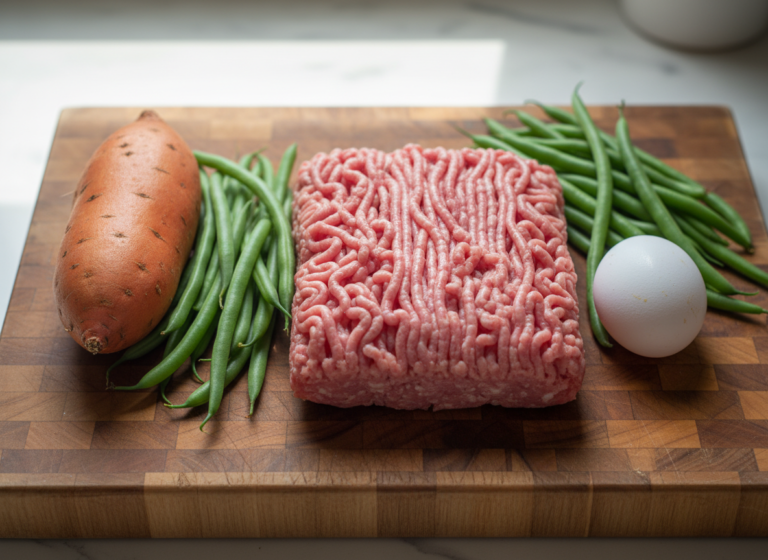
- Moderate, Quality Proteins: Opt for fatty cuts of meat. Think grass-fed beef, pasture-raised pork, and fatty fish like salmon or mackerel. Eggs are also an exceptional source of protein and fat.
- Low-Glycemic Vegetables: Carbohydrates should be minimal and come only from non-starchy, fibrous vegetables. These provide essential phytonutrients and fiber. Excellent choices include spinach, kale, broccoli, cauliflower, and zucchini.
Enemy Ingredients: The Prohibited List
Eliminating these is non-negotiable. Scrutinize every label and banish these from your dog’s bowl.
- All Grains: Wheat, corn, rice, barley, oats, quinoa.
- Starchy Vegetables: Potatoes, sweet potatoes, peas, yams, carrots.
- Most Fruits: High in sugar (fructose). Small amounts of low-sugar berries may be permissible under veterinary guidance.
- Legumes: Lentils, chickpeas, beans.
- Sugars and Sweeteners: Honey, maple syrup, molasses, and any ingredient ending in ‘-ose’.
Execution Strategy: Commercial Keto Diets vs. The DIY Approach

Once you and your veterinarian decide to proceed, you have two primary paths: purchasing a commercial prescription diet or preparing a homemade one. Neither is inherently superior; the right choice depends on your budget, time, and commitment to precision.
The Commercial Route: Convenience with a Caveat
A few forward-thinking companies now produce therapeutic ketogenic diets for dogs. These are typically available only through your veterinarian. The primary advantage is convenience and guaranteed nutritional completeness. They are formulated by nutritionists to meet AAFCO standards while maintaining the strict ketogenic ratio. However, you must become a forensic label-reader. Ensure the fat sources are high-quality and the protein is not from low-grade meals or by-products. The downside is cost and a lack of control over ingredient sourcing.
The DIY Route: Total Control with Total Responsibility
A homemade ketogenic diet offers complete control over the quality and source of every ingredient. This can be particularly beneficial for dogs with other sensitivities. However, the burden of nutritional completeness falls squarely on you. It is absolutely critical to formulate the diet with a veterinary nutritionist to avoid deficiencies in vitamins, minerals, and amino acids. This is not ‘grandma’s chicken and rice’. Every meal must be weighed and balanced with precision.
Hacker Tip: For a DIY diet, a digital kitchen scale is not optional—it’s essential. Batch cooking is your best friend. Prepare a week’s worth of meals at once, portion them out, and freeze them. This ensures consistency and saves immense time. Also, invest in a high-quality vitamin and mineral supplement specifically recommended by your nutritionist to bridge any nutritional gaps.
| Factor | Commercial Keto Diet | Homemade (DIY) Keto Diet |
|---|---|---|
| Convenience | Very High (Open and serve) | Very Low (Requires shopping, prep, cooking, balancing) |
| Cost | High to Very High | Moderate to High (Depends on ingredient sourcing) |
| Ingredient Control | Low (Limited to brand’s formula) | Total (You choose every single component) |
| Nutritional Balance | Guaranteed by manufacturer | Requires strict adherence to a nutritionist’s formula |
| Best For | Owners with limited time who need a reliable, proven formula. | Owners committed to sourcing the best ingredients and who can ensure precise preparation. |
Risk Mitigation & Essential Monitoring: Your Safety Checklist
Transitioning a dog, especially a sick one, to a high-fat diet is a significant metabolic shift that carries potential risks. This is not a diet to be started casually. Professional monitoring is the key to mitigating these risks and ensuring the diet is helping, not harming.
Potential Side Effects
The most significant concern is pancreatitis, an inflammation of the pancreas that can be triggered by a sudden high-fat load. A slow, gradual transition over one to two weeks is mandatory. Other potential issues include gastrointestinal upset (diarrhea or constipation) as the gut biome adapts, and a temporary ‘keto flu’ where your dog may seem lethargic for a few days as their body switches fuel sources.
The Monitoring Protocol: Your Non-Negotiable Checklist
You and your vet must become a data-driven team. Regular monitoring provides the feedback needed to fine-tune the diet and catch any issues early. Your protocol must include:
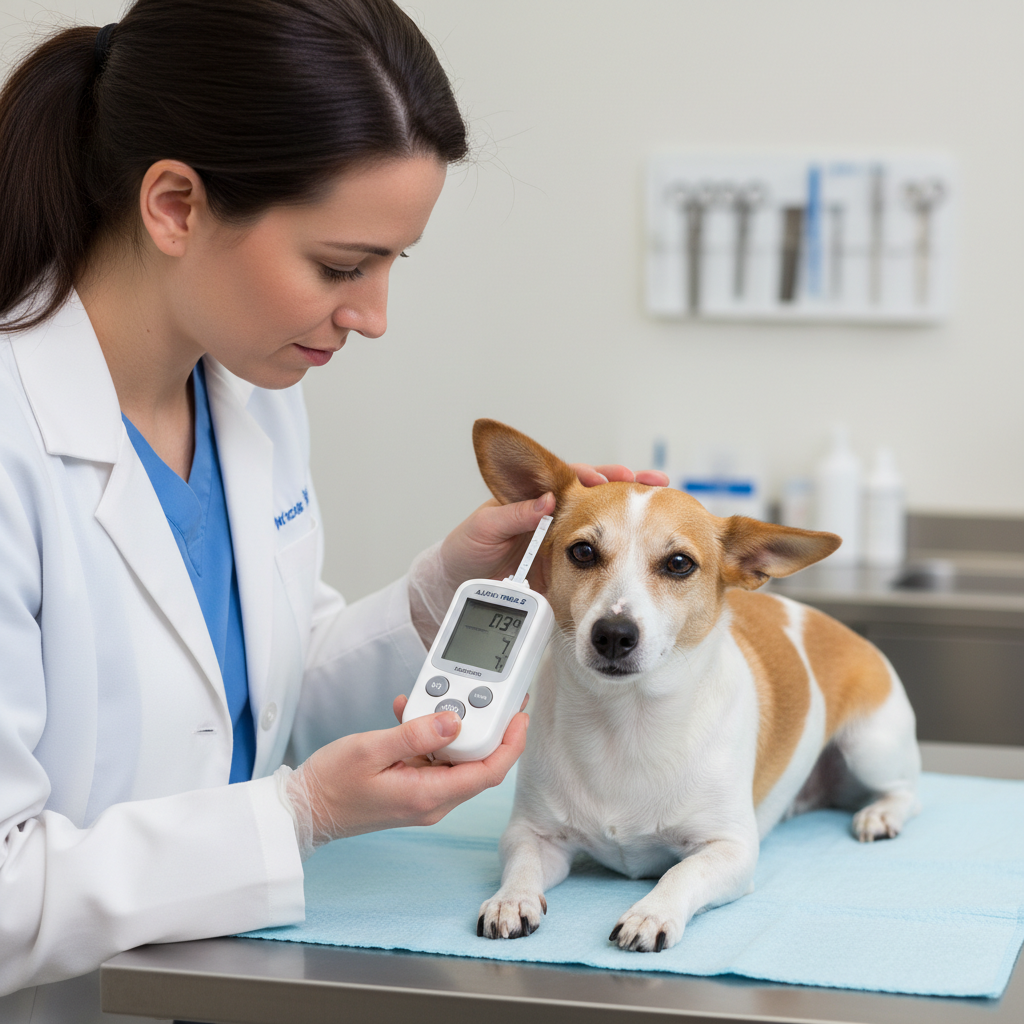
- Blood Ketone and Glucose Monitoring: This is the only way to confirm your dog is in a state of therapeutic ketosis. Your vet may use a blood meter in-clinic, or you may be taught to use a handheld device at home. The goal is typically low glucose and elevated ketone levels.
- Regular Blood Work: A complete blood count (CBC) and chemistry panel should be performed before starting the diet and re-checked regularly (e.g., every 1-3 months). This tracks liver and kidney function, electrolyte levels, and overall health markers to ensure the diet is well-tolerated.
- Body Weight and Condition Score: Cancer can cause muscle wasting (cachexia). The diet should help maintain or improve body condition. Track your dog’s weight weekly.
- Urinalysis: This can provide additional information about kidney function and hydration status.
A critical warning: Never implement this diet without the full buy-in and partnership of your veterinary team. Attempting to do this alone based on internet articles is dangerous and irresponsible. Your veterinarian’s role is to ensure your dog is a suitable candidate and to monitor for adverse effects, while a nutritionist’s role is to ensure the diet is balanced and effective.
Conclusion
The ketogenic diet represents a paradigm shift in canine cancer care, moving from a passive feeding approach to an active nutritional intervention. By understanding and exploiting the unique metabolic flaws of cancer cells, you can use your dog’s food bowl as a powerful tool in their overall treatment plan. This is not a miracle cure, but it is a scientifically-grounded strategy that can improve quality of life, help maintain body mass, and create a metabolic environment that is less favorable for tumor growth.
Your role as a pet owner is to be a proactive, informed advocate for your dog’s health. This means asking your veterinarian tough questions, seeking out specialists, and being willing to put in the effort that advanced nutritional therapy requires. The path is demanding, but by partnering with your veterinary team and adhering to a precise, well-monitored plan, you are giving your loyal companion another layer of support in their fight. You are not just feeding them; you are fueling their battle.