Managing EPI in Dogs: Low Fiber Diet Recipes and Tips
Receiving an Exocrine Pancreatic Insufficiency (EPI) diagnosis for your dog can feel like a devastating blow. The symptoms—dramatic weight loss despite a ravenous appetite, voluminous stools, and poor coat quality—are alarming. Many owners feel lost, navigating a sea of conflicting advice. This is where we cut through the noise. As The Canine Nutrition Hacker, I don’t deal in fluff; I deal in forensic analysis of what goes into your dog’s bowl. Managing EPI isn’t just about buying a special bag of food; it’s about understanding the fundamental breakdown in your dog’s digestive system and rebuilding their nutrition from the ground up.
EPI means your dog’s pancreas has stopped producing the essential enzymes needed to digest protein, fat, and carbohydrates. Without these enzymes, food passes through them largely undigested, leading to starvation on a cellular level. The cornerstone of management is Pancreatic Enzyme Replacement Therapy (PERT), but the enzymes can’t do their job if the diet itself is working against them. This guide will empower you to become the expert your dog needs, providing the critical dietary strategies, recipes, and insider tips to manage this condition effectively.
IMPORTANT DISCLAIMER: I am not a veterinarian. The information in this article is for educational purposes only and is based on extensive research and personal experience. Always consult with your veterinarian or a board-certified veterinary nutritionist before making any changes to your dog’s diet, especially for a serious condition like EPI. This condition requires professional medical management.
Deconstructing EPI: The ‘Why’ Behind the Diet
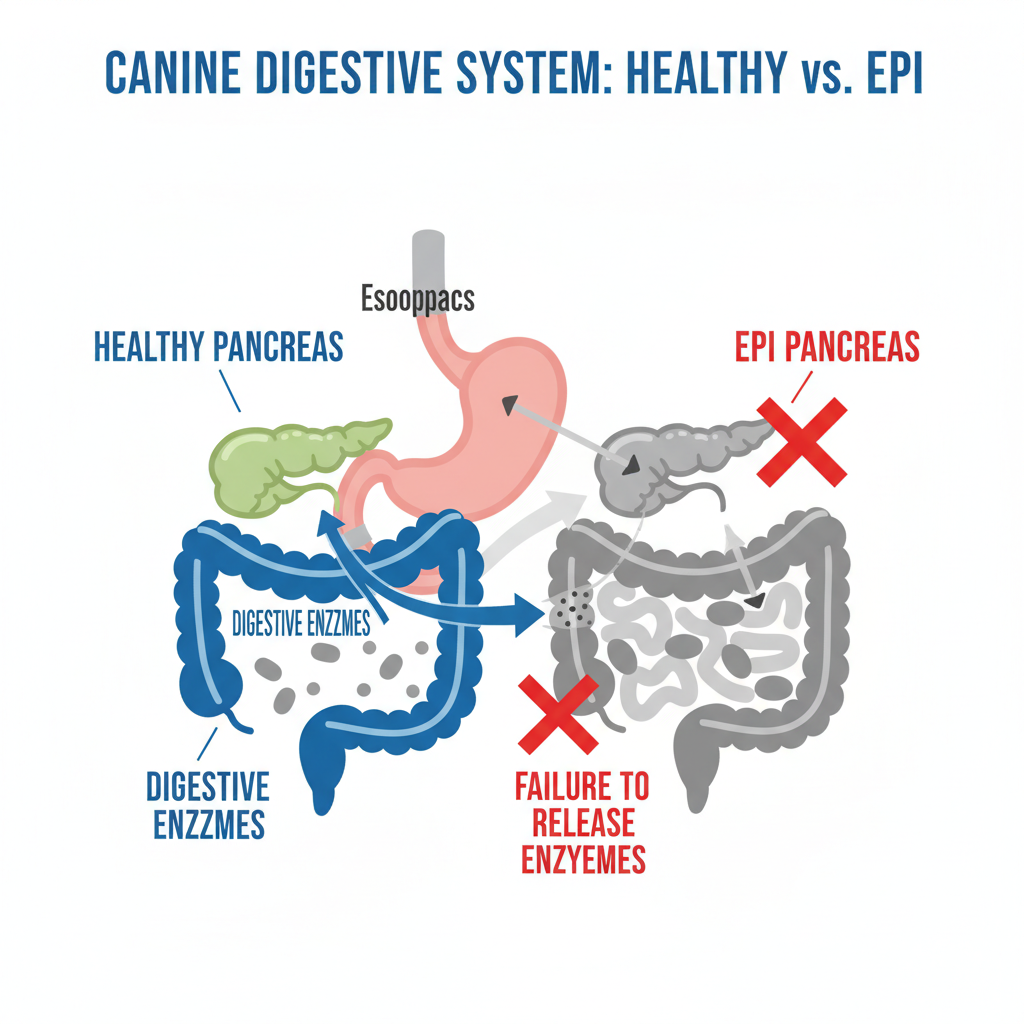
To effectively manage EPI, you must first understand the enemy. In simple terms, your dog’s pancreas has gone on strike. It’s no longer manufacturing the enzymes necessary to unlock the nutrients in their food. Think of it like having a key to a vault full of treasure (nutrients), but the key is broken. No matter how much treasure you put in, it’s useless.
The three critical enzymes missing are:
- Protease: To digest protein.
- Lipase: To digest fat.
- Amylase: To digest carbohydrates.
This is why Pancreatic Enzyme Replacement Therapy (PERT) is non-negotiable. These powdered enzymes, added to every meal, provide the ‘keys’ your dog is missing. However, if the diet is full of hard-to-digest ingredients, it’s like asking those replacement keys to work on rusty, complicated locks. The goal of an EPI diet is to make the digestive process as simple and efficient as possible. We need to provide food that is highly digestible and low in fiber. ‘Highly digestible’ means the nutrients are readily available for absorption with minimal work. Low fiber is crucial because fiber can interfere with the activity of the replacement enzymes, essentially shielding the food from digestion.
The Enemy Ingredients: What to Eliminate from Your EPI Dog’s Bowl
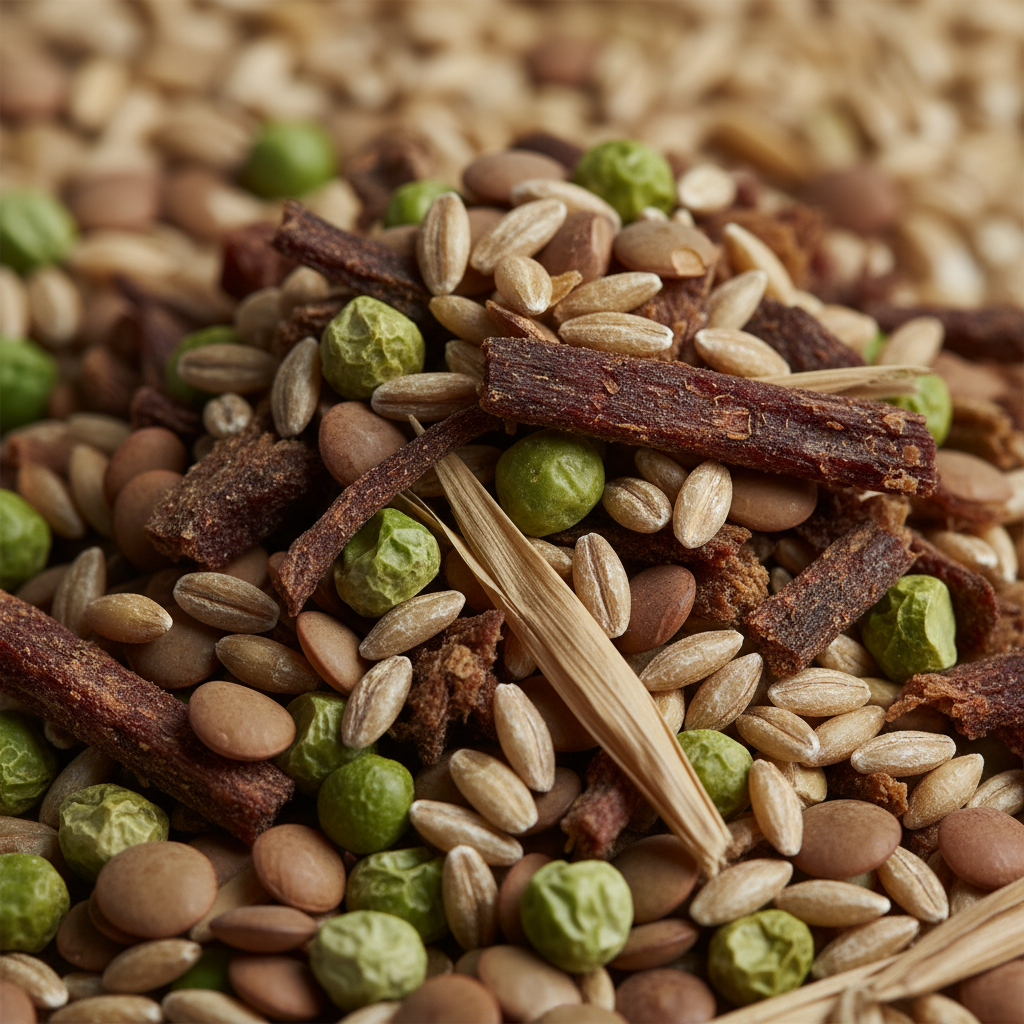
When you’re dealing with EPI, the ingredient label becomes your battlefield. Many popular, and even premium, dog foods contain ingredients that are disastrous for an EPI dog. Your first job is to identify and eliminate them without mercy.
High Fiber: The Primary Culprit
Fiber is the number one enemy. While a small amount is necessary for gut health, excess fiber, particularly certain types, can encapsulate food particles, preventing the supplemental enzymes from making contact. It also speeds up transit time through the gut, reducing the window for nutrient absorption. Scrutinize labels for these common high-fiber fillers:
- Beet Pulp
- Pea Fiber & Lentil Fiber
- Powdered Cellulose
- Tomato Pomace
- Alfalfa Meal
- Fruits and Vegetables with skins (e.g., apples, blueberries)
Complex Carbohydrates and Grains
An EPI dog’s compromised system struggles to break down complex carbohydrates. Many popular ‘grain-free’ diets are packed with these, making them a terrible choice. The focus must be on simple carbohydrates that require minimal digestive effort. Avoid foods with these in the first five ingredients:
- Peas, Chickpeas, and Lentils
- Barley, Oats, and Millet
- Corn and Wheat (while often vilified, it’s the complexity and potential for allergies that are the issue here)
The Fat Fallacy
You may hear that EPI dogs need an ultra-low-fat diet. This is a dangerous oversimplification. Dogs need fat for energy and vital bodily functions. The real issue is the amount and quality of the fat. High-fat meals can overwhelm the supplemental lipase, leading to greasy stools (steatorrhea). The diet should contain a moderate amount of high-quality, easily digestible fat (generally 10-15% on a dry matter basis). Avoid foods with generic fat sources like ‘animal fat’ and opt for named sources like chicken fat or fish oil.
Hero Ingredients & Commercial Food Analysis
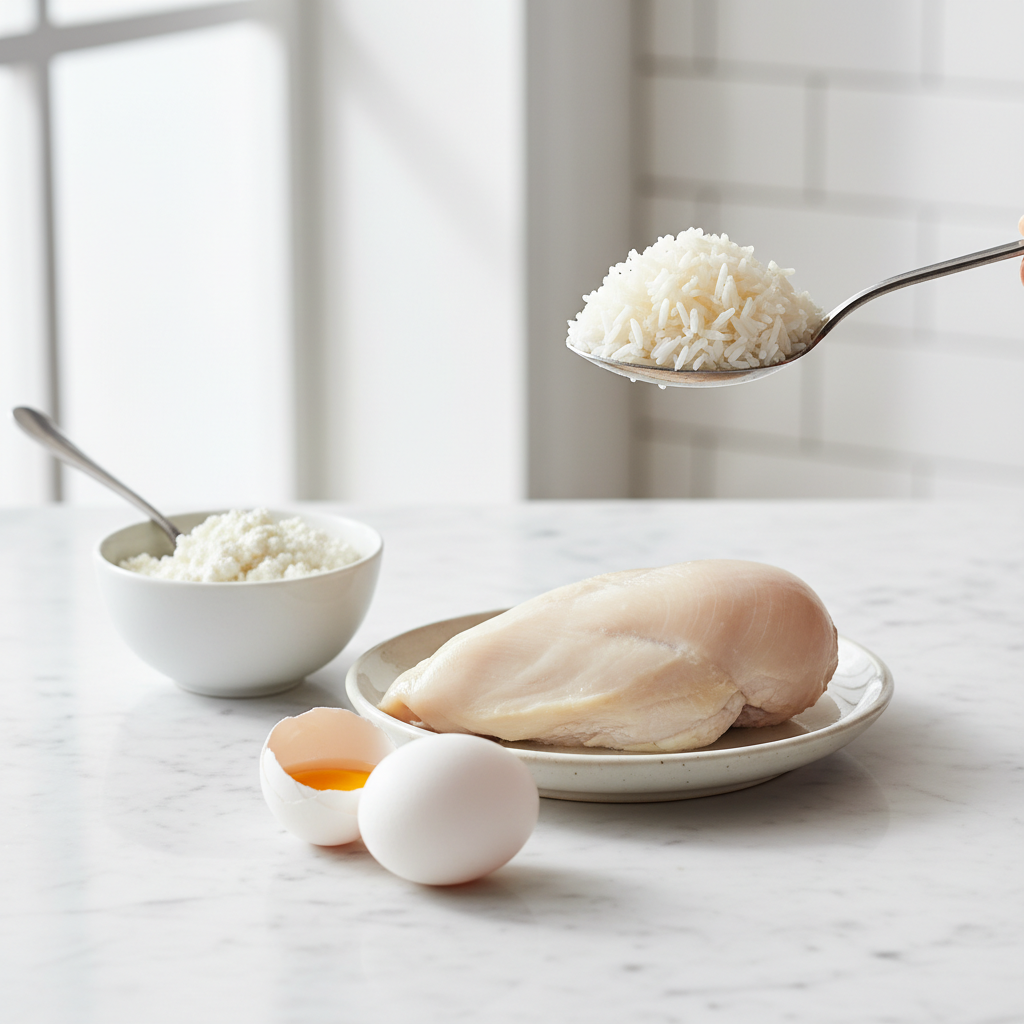
Now that we’ve eliminated the enemies, let’s focus on the heroes. These are the ingredients that form the foundation of a successful EPI management diet. They are characterized by high digestibility and low residue.
Hero Ingredients to Look For:
- Highly Digestible Proteins: Boiled skinless chicken breast, lean ground turkey (93/7 or 99/1), whitefish (like cod or tilapia), eggs, and low-fat cottage cheese are excellent.
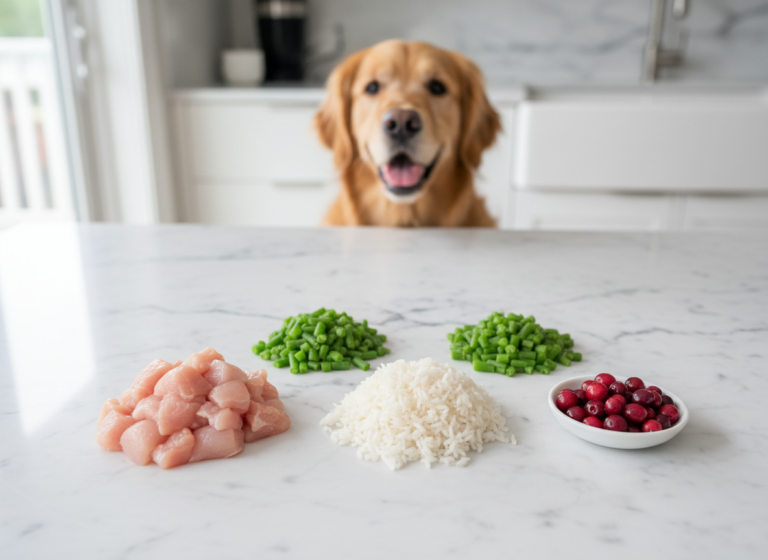
- Simple, Low-Fiber Carbohydrates: Plain white rice is the gold standard for its ease of digestion. Canned pumpkin (pure, not pie filling) can be used in small amounts for stool consistency, but the hero carb is white rice. Cooked sweet potatoes or white potatoes (no skin) can also be used.
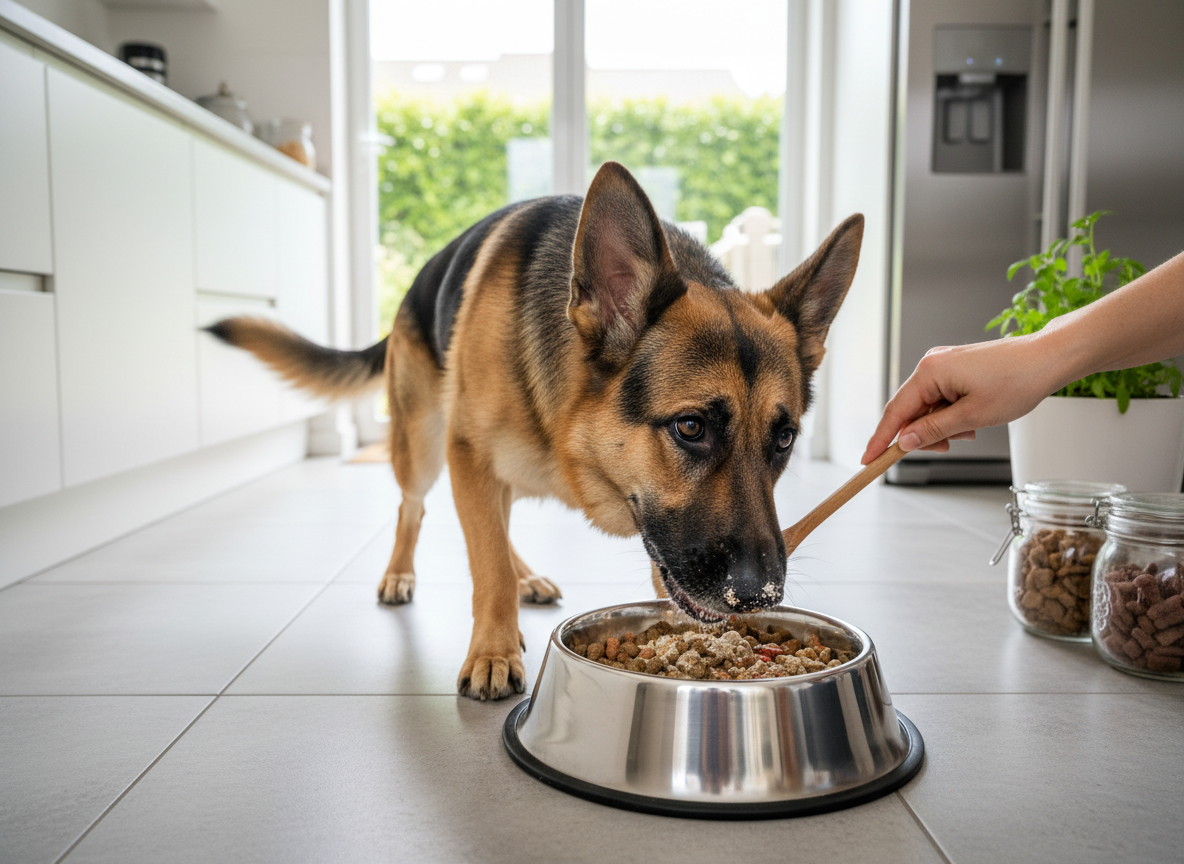
When choosing a commercial food, you are most likely looking at a veterinary prescription diet. These have been formulated specifically for high digestibility. However, you must still apply the ‘First 5 Ingredients’ test.
Hacker Tip: Don’t be fooled by marketing terms like ‘sensitive stomach.’ These formulas are often high in fiber. For EPI, you need a prescription ‘gastrointestinal’ or ‘low residue’ diet. Ask your vet for recommendations and then analyze the labels yourself.
Let’s compare a suitable prescription diet to a popular grain-free food that would be a disaster for an EPI dog.
| Feature | EPI-Friendly Prescription Diet (Example) | Typical High-Protein, Grain-Free Food (Unsuitable) |
|---|---|---|
| Primary Protein | Hydrolyzed Chicken, Egg Product | Deboned Lamb, Chicken Meal, Turkey Meal |
| Primary Carb/Starch | Brewers Rice, Corn Starch | Peas, Lentils, Chickpeas, Sweet Potatoes |
| Key Fiber Source | Minimal, often from the carbohydrate source itself. | Pea Fiber, Dried Beet Pulp, Alfalfa Meal |
| Fat Content | Moderate (~12%) | High (~18%) |
| Verdict | Designed for maximum digestibility and low fiber. SAFE. | Extremely high in fiber and complex carbs. DANGEROUS. |
The Canine Nutrition Hacker’s DIY Low-Fiber EPI Recipes
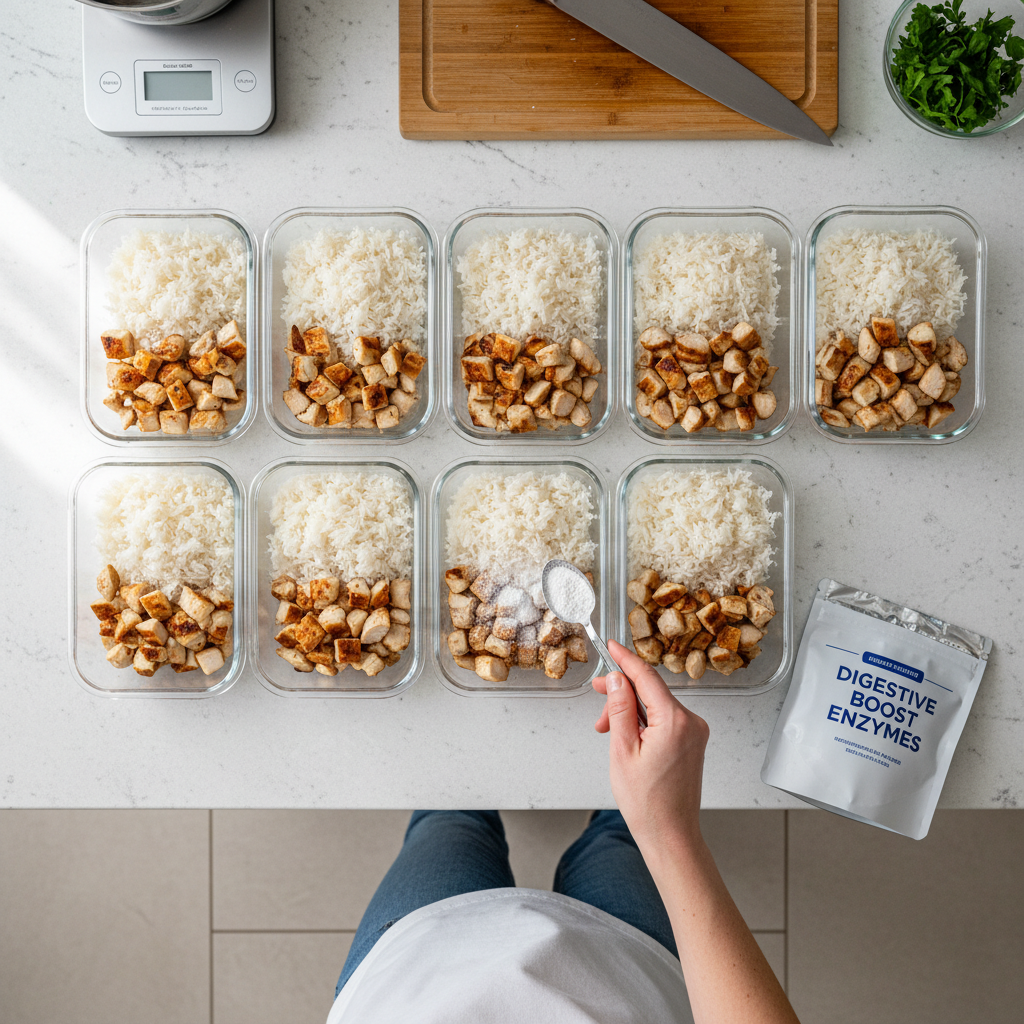
For many owners, a homemade diet offers ultimate control over every ingredient. However, this path requires diligence and a strict partnership with your veterinarian or a veterinary nutritionist to ensure the diet is balanced.
SAFETY DISCLAIMER: A homemade diet for an EPI dog is NOT just meat and rice. It MUST be balanced with a vitamin and mineral supplement formulated for homemade diets to prevent long-term nutritional deficiencies. Brands like Balance IT or Just Food For Dogs offer supplements and guidance. Consult your vet before starting.
Recipe 1: The Basic Balancer (Chicken & Rice)
This is the starting point for most EPI dogs. The ratios are approximate and should be adjusted based on your dog’s weight and your vet’s advice.
- Protein: 1 part boiled, skinless, boneless chicken breast, diced.
- Carbohydrate: 2 parts cooked white rice. Cook the rice with extra water to make it very soft and mushy.
- Fat: A very small amount of high-quality fat, like a teaspoon of coconut oil or corn oil per 25 lbs of body weight, can be added if your dog tolerates it well.
- Extras: A tablespoon of low-fat cottage cheese or a scrambled egg can be mixed in for extra protein and palatability.
- Enzymes & Supplements: Add the prescribed amount of pancreatic enzyme powder and any other required supplements (like B12) to each meal. Mix thoroughly and let it ‘incubate’ for 20-30 minutes at room temperature before serving.
Cost Breakdown: DIY vs. Prescription Kibble
Let’s analyze the approximate weekly cost for a 50lb dog.
| Item | DIY Homemade (Weekly Cost) | Veterinary Prescription Diet (Weekly Cost) |
|---|---|---|
| Food Source | Chicken Breast (~7 lbs), White Rice (~10 lbs) | Large Bag of Kibble (~25-30 lbs) |
| Approximate Cost | Chicken: $25, Rice: $8 = $33 | ~$50-60 (based on ~$100-120 per large bag) |
| Additional Costs | Vitamin/Mineral Supplement (~$5/week) | N/A |
| Total Weekly Cost | ~$38.00 | ~$55.00 |
Insider Secret: Batch cooking is your best friend. Cook a week’s worth of chicken and rice at once. Portion it into daily containers and refrigerate. You can freeze portions, but ALWAYS add the enzyme powder to each meal just before serving. Freezing can deactivate the enzymes.
Beyond Diet: Essential EPI Management Hacks
A perfect diet is only one piece of the puzzle. Successful EPI management requires a multi-faceted approach.
Mastering Pancreatic Enzymes (PERT)
The enzymes are life. Not using them correctly is the most common reason for treatment failure.
- Dosage is Key: Your vet will determine the starting dose. It is not one-size-fits-all and may need adjusting based on stool quality.
- Incubation is Crucial: The enzymes must be thoroughly mixed with the food and allowed to sit for at least 20 minutes. This allows them to pre-digest the food before it even hits the stomach, taking a massive load off the GI tract.
- Brand Matters: While prescription brands like PancrePlus are common, many owners find success with over-the-counter products like EnzymeDiane. Discuss options with your vet.
The Critical Role of B12 (Cobalamin)
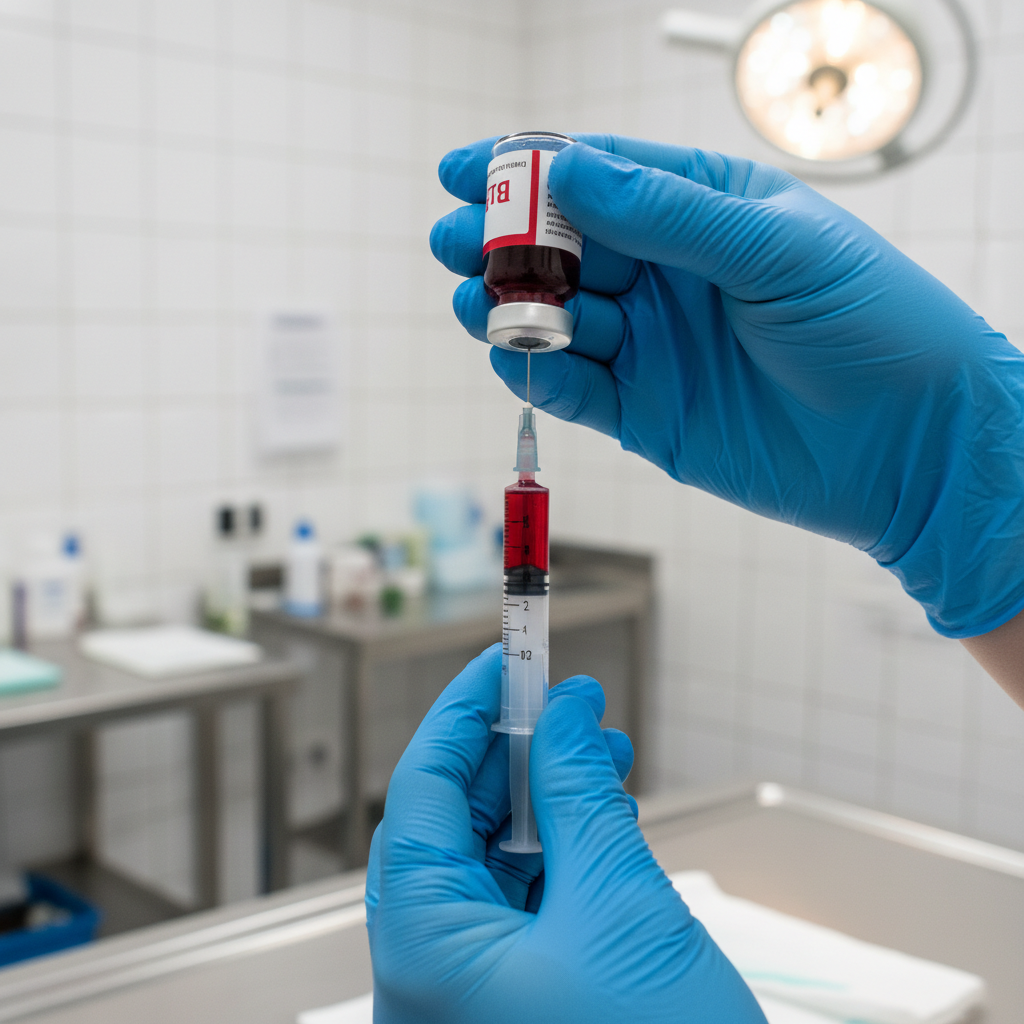
Nearly all dogs with EPI also suffer from Small Intestinal Bacterial Overgrowth (SIBO). This overgrowth of bacteria consumes Vitamin B12 before the dog can absorb it. A B12 deficiency will prevent your dog from gaining weight and feeling well, no matter how perfect the diet is. Most dogs require an initial course of B12 injections, followed by regular maintenance shots. Oral B12 is often not sufficient. This is a critical, non-negotiable part of EPI treatment.
Monitoring and Adjusting
Your dog’s poop is now your primary data point. The goal is a firm, well-formed, log-shaped stool. Voluminous, greasy, or yellowish ‘cow-patty’ stools indicate that the combination of diet, enzymes, and supplements is not yet correct. Keep a journal of what you feed, enzyme dosage, and the resulting stool quality. This log will be invaluable for you and your vet to make precise adjustments. It’s a process of continuous improvement until you find the perfect balance for your individual dog.
Conclusion
Managing Exocrine Pancreatic Insufficiency is a marathon, not a sprint. It requires a fundamental shift in how you approach your dog’s nutrition. The fear and confusion you feel initially can be replaced with confidence and control. By eliminating dietary enemies like fiber and complex carbohydrates, embracing highly digestible hero ingredients, and meticulously administering enzymes and supplements, you can successfully manage this condition.
EPI is not a death sentence. It is a manageable disease that requires you, the owner, to become a forensic nutrition expert. Analyze every label, question every ingredient, and work as a team with your veterinarian. Your diligence and commitment to providing this specialized nutrition will be rewarded with a happy, healthy dog that can live a long and fulfilling life.