
Heart Healthy Diet Plan for Cavalier King Charles Spaniels
The Cavalier King Charles Spaniel is a breed defined by affection and charm, but beneath that gentle exterior lies a significant genetic risk: Mitral Valve Disease (MVD). While you cannot change your dog’s genetics, you can absolutely build a powerful nutritional fortress to protect their heart. This isn’t about cute blog posts with generic advice. This is a tactical guide for the discerning owner who understands that the food bowl is the first and most critical line of defense in promoting cardiac longevity.
We will dissect dog food labels with forensic precision, expose the marketing gimmicks designed to fool you, and arm you with the knowledge to select or prepare a diet that actively supports your Cavalier’s cardiovascular system. Your dog’s heart is in your hands, and it starts with what you put in their bowl.
MEDICAL DISCLAIMER: I am not a veterinarian. The information in this article is for educational purposes only and is based on extensive research and analysis. It is not a substitute for professional veterinary advice, diagnosis, or treatment. Always consult with your veterinarian or a board-certified veterinary nutritionist before making any changes to your dog’s diet, especially if your dog has a pre-existing health condition like MVD.
The Enemy Within: Decoding Labels to Find Heart-Hostile Ingredients
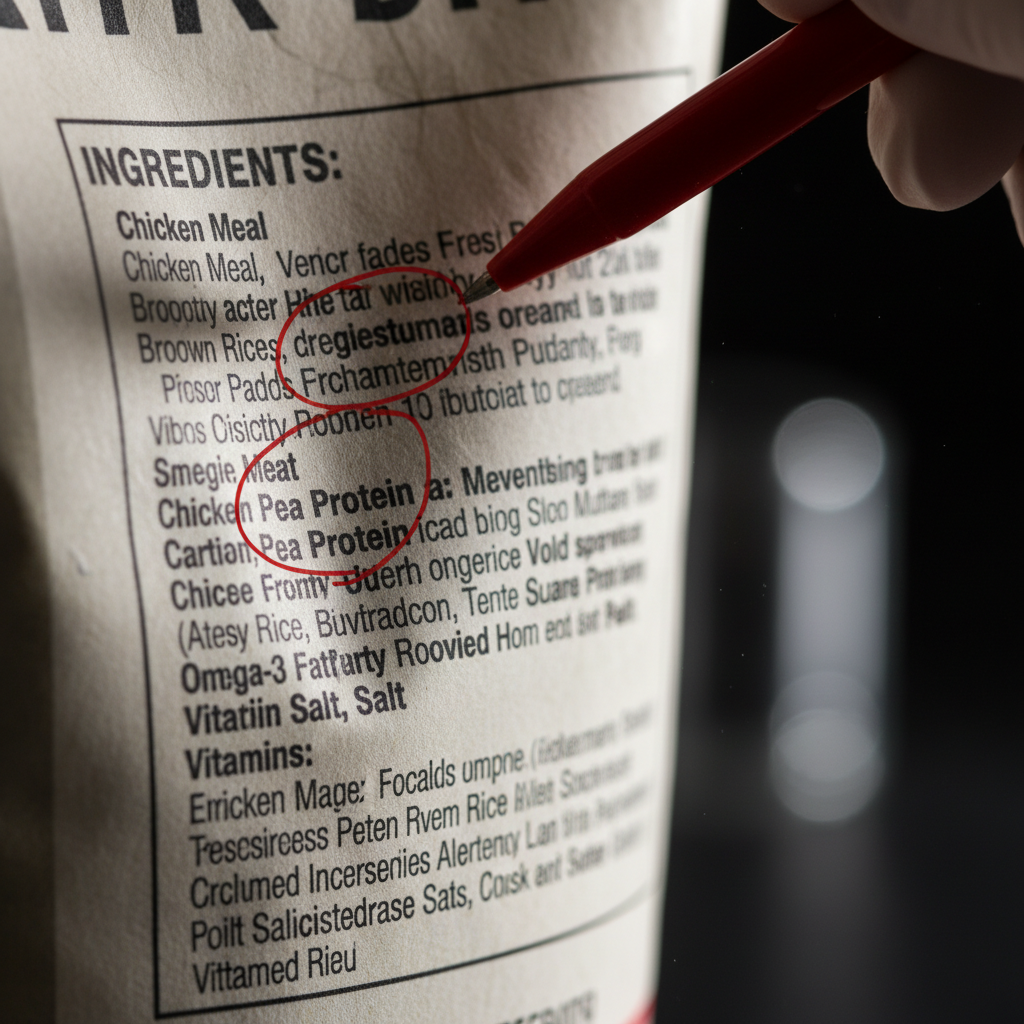
The commercial pet food industry is a minefield of clever marketing and cheap, suboptimal ingredients. To protect your Cavalier’s heart, you must learn to identify the enemies hiding in plain sight on the ingredient panel. These are the fillers and additives that offer little nutritional value while actively working against your dog’s cardiovascular health.
The Sodium Deception
Excess sodium is a primary antagonist for any dog with or at risk for heart disease. It increases blood pressure and forces the heart to work harder. Manufacturers often use salt as a cheap palatant to make otherwise bland food more appealing. You must become a sodium detective.
- Look For: Obvious terms like ‘salt’ or ‘sodium chloride’.
- Watch Out For: Hidden sources like ‘sodium tripolyphosphate’ (a preservative), ‘sodium caseinate’, or high levels of processed ingredients and rendered meals which can contain significant sodium. A food listing salt high up in the ingredient list is a major red flag.
Insider Secret: Any food with a sodium content above 0.3% on a dry matter basis should be viewed with extreme caution for a heart-sensitive breed. Many veterinary cardiac diets aim for 0.1% to 0.25%. Manufacturers are not required to list the exact sodium percentage on the bag, so you may need to call the company or look for their ‘full nutritional analysis’ online. Don’t settle for ambiguity.
The Filler Trap and the Taurine Crisis
Taurine is a critical amino acid for heart muscle function. Deficiencies have been linked to a serious condition called Dilated Cardiomyopathy (DCM). Dogs synthesize taurine from other amino acids, primarily cysteine and methionine, which are abundant in high-quality animal protein. The problem arises when manufacturers replace expensive animal proteins with cheap plant-based fillers to inflate the protein percentage on the label.
- Enemy Ingredient #1: Legumes. Peas, lentils, chickpeas, and other legume seeds have become ubiquitous in ‘grain-free’ formulas. While not inherently evil, their heavy use at the expense of meat can potentially interfere with taurine absorption or synthesis, a link heavily investigated by the FDA. For a Cavalier, the risk is not worth it.
- Enemy Ingredient #2: Corn Gluten Meal & Soy Protein Isolate. These are cheap, plant-based protein boosters. They provide an incomplete amino acid profile compared to real meat and should be considered low-quality fillers.
Your mission: Ensure the first five ingredients are dominated by named, high-quality animal proteins (e.g., ‘Deboned Lamb’, ‘Chicken Meal’, ‘Salmon’) not vague terms (‘Meat and Bone Meal’) or a list of starches and legumes.
Building the Cardiovascular Arsenal: Hero Ingredients to Demand

Now that we’ve identified the enemy, let’s build your dog’s nutritional defense system. These are the ‘hero’ ingredients and nutrients that actively support heart muscle, reduce inflammation, and provide the building blocks for a resilient cardiovascular system. These are non-negotiable components of a heart-healthy diet for a Cavalier.
Powerhouse Proteins: The Foundation of Heart Health
The cornerstone of your dog’s diet must be high-quality, bioavailable animal protein. This is where the essential amino acids for heart health are found.
- Taurine Titans: Lamb, dark poultry meat (duck, chicken thigh), fish (especially oily fish like salmon and mackerel), and organ meats like beef heart are exceptionally rich in taurine and its precursors.
- L-Carnitine Champions: This amino acid is vital for transporting fatty acids into the cells’ mitochondria to be used for energy. The heart is a massive energy consumer. Red meats like beef and lamb are excellent sources of L-carnitine.
Omega-3 Fatty Acids: The Anti-Inflammatory Agents
Chronic inflammation is a silent enemy of the heart. Omega-3 fatty acids, specifically EPA (eicosapentaenoic acid) and DHA (docosahexaenoic acid), are potent anti-inflammatory agents. They can help maintain a healthy heart rhythm, support blood pressure, and even help preserve muscle mass in dogs with cardiac cachexia (muscle wasting).
- Primary Source: Cold-water fish and fish oil. Look for foods that explicitly list ‘Salmon Oil’, ‘Herring Oil’, or ‘Fish Oil’ as an ingredient, not just ‘Fish Meal’. Plant-based sources like flaxseed are less efficient as dogs are poor converters of ALA (the omega-3 in plants) to the more crucial EPA and DHA.
Antioxidant-Rich Superfoods
Antioxidants combat oxidative stress, which damages cells, including those in the heart. Including a variety of colorful fruits and vegetables provides a spectrum of these protective compounds.
- Top Picks: Blueberries, cranberries, raspberries, kale, and spinach. These should be present in small, appropriate quantities in a commercial food or added fresh (and safely prepared) to a homemade diet.
| Nutrient | Primary Role | Excellent Food Sources |
|---|---|---|
| Taurine | Supports heart muscle contraction and function. | Lamb, Duck, Salmon, Beef Heart |
| Omega-3s (EPA/DHA) | Reduces inflammation and supports heart rhythm. | Salmon Oil, Mackerel, Sardines |
| L-Carnitine | Aids in energy metabolism within heart cells. | Beef, Lamb, Venison |
| Antioxidants | Protect heart cells from oxidative damage. | Blueberries, Spinach, Cranberries |
Implementation Strategy: Commercial Diets vs. The Homemade Route
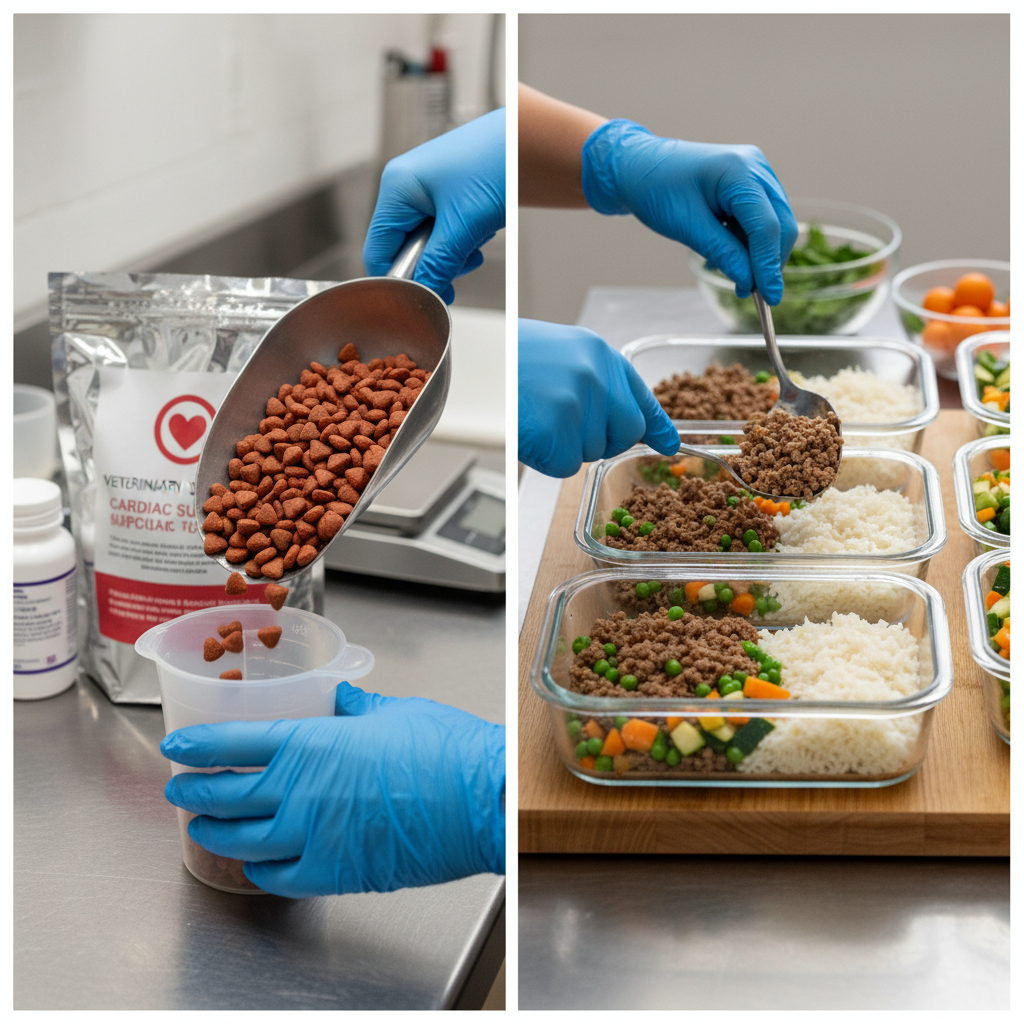
Armed with knowledge of hero and enemy ingredients, you now face a choice: finding a suitable commercial diet or preparing a balanced homemade diet. Both have distinct advantages and require careful consideration.
The Forensic Review: Selecting a Commercial Food
Scrutinizing commercial foods is your primary skill as a Canine Nutrition Hacker. Your goal is to find a formula that aligns with our heart-healthy principles.
- Veterinary Cardiac Diets: Brands like Royal Canin Cardiac or Hill’s Prescription Diet Heart Care are formulated with restricted sodium and added heart-supporting nutrients like taurine and L-carnitine. They are often the first choice for dogs with a diagnosed condition. The downside: They require a prescription, can be expensive, and may contain ingredients like corn that some owners prefer to avoid.
- Over-the-Counter Excellence: You can find high-quality non-prescription foods. Look for brands that are transparent about their sourcing and nutritional analysis. Prioritize formulas with multiple animal proteins in the top 5 ingredients, included fish oil, and a distinct lack of legumes and cheap fillers. Be prepared to call the company to confirm sodium and taurine levels.
The Safe Chef Guide: A Controlled Homemade Diet
A homemade diet offers ultimate control over every single ingredient, which can be a massive advantage for a dog with specific health needs. However, it carries a significant risk of being nutritionally incomplete if not formulated correctly.
SAFETY DISCLAIMER: You MUST formulate a homemade diet in consultation with a board-certified veterinary nutritionist. Do not ‘wing it’ with recipes from the internet. An unbalanced diet can cause severe harm, including exacerbating the very heart conditions you are trying to prevent.
Sample Base Recipe (For Discussion with a Vet Nutritionist)
This is a foundational concept, not a complete recipe. A vet nutritionist will add specific supplements (calcium, trace minerals, vitamins, additional taurine) to make it balanced.
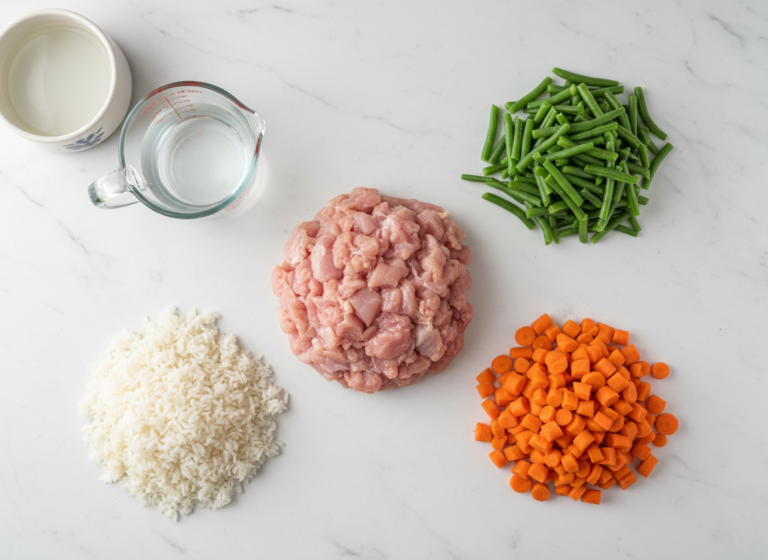
- 50% High-Quality Protein: Gently cooked ground lamb, beef (90/10 or leaner), or dark meat turkey. Include about 10% of this portion as organ meat like beef heart.
- 25% Complex Carbohydrates: Cooked brown rice, quinoa, or sweet potato. These provide sustained energy.
- 25% Vegetables & Fruits: Finely chopped or pureed spinach, kale, carrots, and blueberries.
- Essential Fats: A measured dose of high-quality salmon oil (as prescribed by your vet).
Hacker Tip: Batch Cooking. Cook a week’s worth of food at once. Portion into daily servings in airtight containers and freeze. Thaw one or two days’ worth in the refrigerator as needed. This makes homemade feeding as convenient as opening a bag of kibble.
Beyond the Bowl: Critical Supplements & Lifestyle Factors
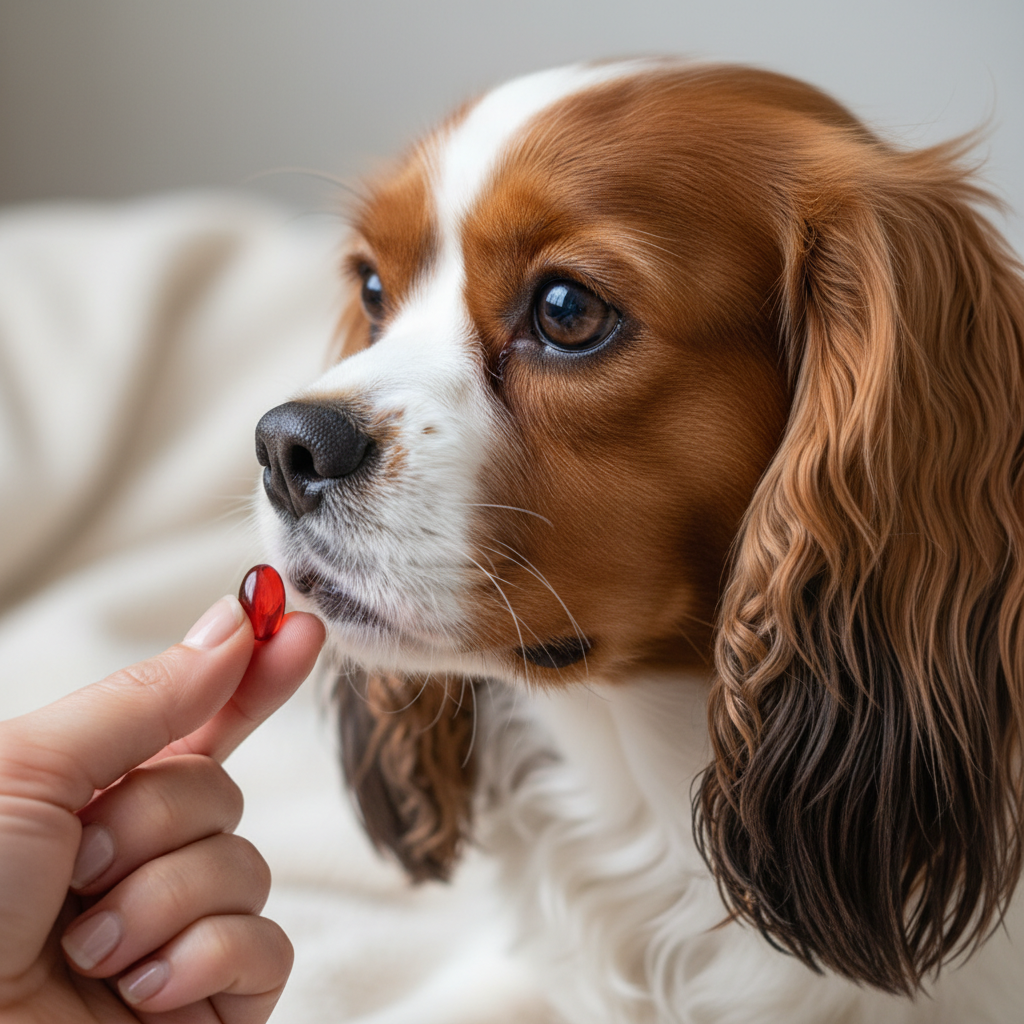
A heart-healthy plan doesn’t stop at the food bowl. Strategic supplementation and lifestyle management are crucial force multipliers in your quest to support your Cavalier’s long-term cardiovascular health. Again, all supplements and dosages must be discussed with and approved by your veterinarian.
The Core Supplement Stack
While a balanced diet is the foundation, certain supplements can provide a concentrated therapeutic boost for the heart.
- Fish Oil (Omega-3s): Even if the food contains fish oil, supplementing can provide a more potent, anti-inflammatory dose. The key is the concentration of EPA and DHA. Look for a reputable brand that provides a third-party analysis of purity and potency.
- Coenzyme Q10 (CoQ10): This is a vital antioxidant that plays a central role in energy production within the heart’s cells. As dogs age, or in cases of heart disease, natural CoQ10 levels can decline. Supplementation can help support the heart’s massive energy demands. It is best absorbed in its ubiquinol form.
- Taurine & L-Carnitine: While a meat-rich diet provides these, a dog with a diagnosed heart condition or one on a diet with questionable ingredients may benefit from direct supplementation to ensure optimal levels for heart muscle function.
The Weight Management Imperative
Every extra pound on a Cavalier is a direct tax on its heart. Obesity increases blood pressure, puts physical strain on the heart muscle, and contributes to systemic inflammation. It is one of the most significant, controllable risk factors.
- Be Ruthless with Portions: Use a measuring cup for every single meal. The ‘guesstimate’ scoop is a recipe for weight gain.
- Treats with a Purpose: Treats should account for no more than 10% of your dog’s daily caloric intake. Ditch the high-sodium, grain-based commercial treats. Use single-ingredient options like freeze-dried salmon, small pieces of cooked chicken, or even baby carrots or green beans.
- Consistent Exercise: Gentle, consistent exercise is key. Avoid strenuous, high-impact activities. Opt for steady leash walks or gentle swimming, which builds cardiovascular tone without over-stressing the system.
By integrating these lifestyle factors, you create a holistic, 360-degree defense plan that supports the nutritional foundation you’ve so carefully built.
Conclusion
Protecting your Cavalier King Charles Spaniel’s heart is an active, ongoing mission, and you are the commander. By rejecting marketing hype and becoming a forensic analyst of your dog’s nutrition, you seize control of one of the most powerful tools available for promoting longevity and quality of life. Your strategy is clear: eliminate the enemies of high sodium and low-quality fillers, and build an arsenal of hero ingredients like high-quality animal protein, omega-3 fatty acids, and powerful antioxidants. Combine this superior nutritional foundation with vigilant weight management and a smart supplementation plan, always in partnership with your veterinarian.
This is not about fear; it’s about empowerment. The knowledge you now possess enables you to make deliberate, informed choices that can have a profound impact on the health and happiness of your beloved companion. The path to a healthier heart for your Cavalier begins now, with the very next meal you serve.