Best Diet Plan for Dogs With Bilious Vomiting Syndrome
You know the sound. That pre-dawn retching, followed by the discovery of a small puddle of yellow, foamy bile. This is the frustrating reality for owners of dogs with Bilious Vomiting Syndrome (BVS). Vets often offer simple advice, but the problem persists, leaving you feeling helpless. I’m The Canine Nutrition Hacker, and I’m here to tell you that managing BVS isn’t about magic; it’s about forensic nutrition and strategic feeding. We’re going to dissect the problem, expose the dietary culprits, and build a bulletproof plan to give your dog—and you—peaceful mornings. This isn’t your average pet blog advice. This is a tactical guide to reclaiming your dog’s digestive health from the inside out.
MEDICAL DISCLAIMER: I am a canine nutrition analyst, not a veterinarian. The information in this article is for educational purposes only. Bilious Vomiting Syndrome can share symptoms with more serious conditions. Always consult your veterinarian to rule out other medical issues like pancreatitis, IBD, or intestinal blockages before making significant dietary changes.
Deconstructing BVS: The Empty Stomach Enemy
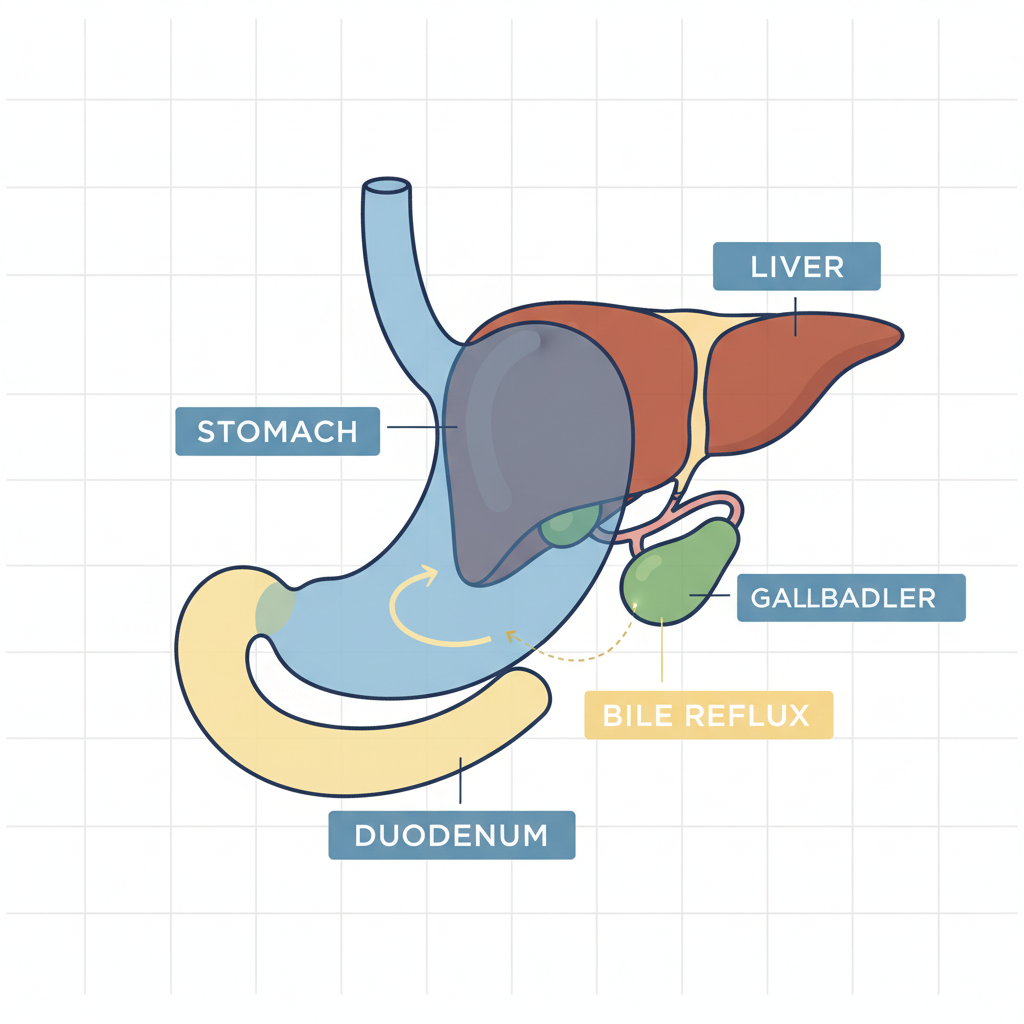
Before we can hack the solution, we must understand the enemy. Bilious Vomiting Syndrome is, at its core, a plumbing problem. During long periods without food, especially overnight, the stomach empties. In a healthy dog, this is no big deal. In a dog with BVS, the duodenum (the first part of the small intestine) allows bile—a digestive fluid produced by the liver and stored in the gallbladder—to reflux back into the empty, sensitive stomach. This bile is highly alkaline and irritates the stomach lining, triggering nausea and the characteristic vomit of yellow or greenish foam.
The key takeaway is this: the problem is the empty stomach. Therefore, the primary goal of any BVS diet plan is to prevent the stomach from ever becoming truly empty for long stretches. This isn’t just about what you feed, but fundamentally how and when you feed. Traditional twice-a-day feeding schedules are often the biggest culprits in exacerbating BVS. We need to think like an engineer, ensuring a slow, steady supply of easily digestible fuel to keep the digestive system calmly engaged.
The Forensic Ingredient Analysis: Exposing Enemy Foods
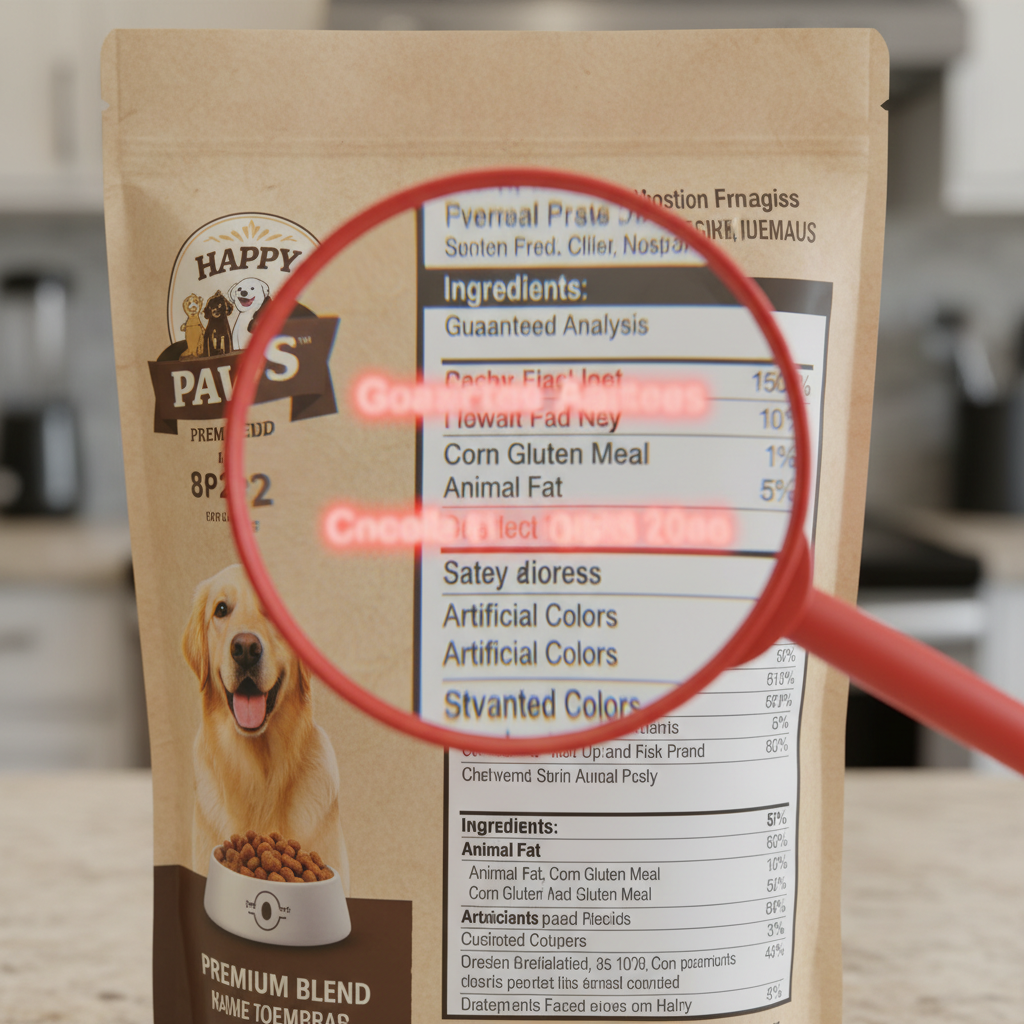
Not all calories are created equal. For a BVS dog, certain ingredients are like throwing gasoline on a fire. They can increase stomach acid, delay gastric emptying, or cause general inflammation, making bile reflux more likely and more irritating. Your first mission is to scan your current dog food label and identify these potential enemies.
Top BVS Trigger Categories:
- High-Fat Content: This is Public Enemy No. 1. Fat is calorically dense but takes significantly longer for the stomach to process and empty. A high-fat meal (typically anything over 15% fat on a dry matter basis) can sit in the stomach for hours, creating a perfect storm for acid buildup and irritation. Avoid foods with rendered fats like ‘animal fat’ high on the ingredient list.
- Rich, Fatty Proteins: While protein is essential, the source matters. Rich, fatty proteins like lamb, duck, or high-fat beef can be difficult for a sensitive stomach to handle. These should be approached with extreme caution or avoided altogether during the initial management phase.
- Artificial Additives: Colors, preservatives (like BHA, BHT, ethoxyquin), and artificial flavors have no nutritional value and can be major irritants to the gastrointestinal lining. A clean, simple ingredient deck is non-negotiable.
- Common Allergens: While BVS isn’t an allergy, underlying food sensitivities can contribute to overall gut inflammation, making the stomach more reactive. Common culprits include chicken, beef, dairy, and wheat. If your dog has other signs of sensitivity (itchy skin, loose stools), these ingredients should be on your watchlist.
- Excessive or ‘Filler’ Fiber: While some fiber is good, foods packed with low-quality, high-volume fibers like ‘powdered cellulose’ or excessive amounts of corn can interfere with nutrient absorption and normal digestion.
The BVS Rescue Diet: Hero Ingredients & Strategic Feeding
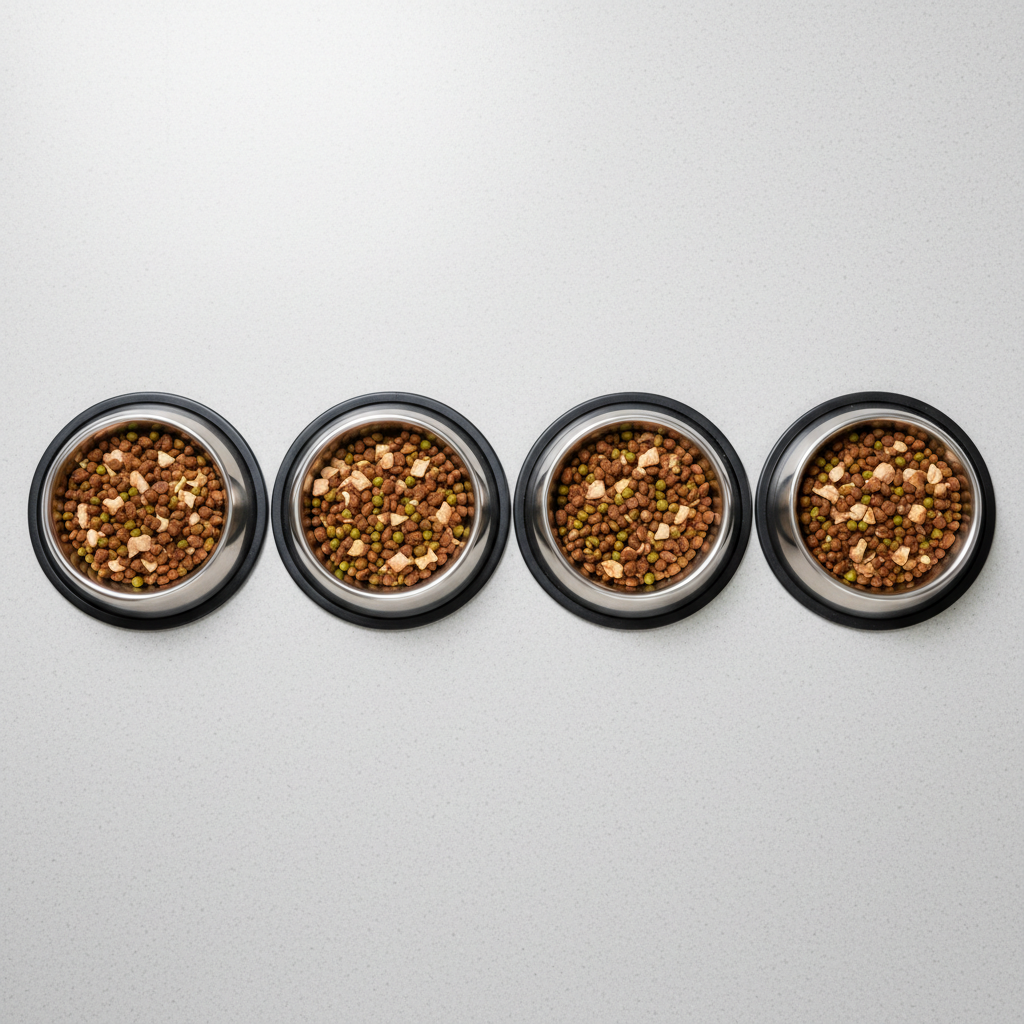
Now for the solution. Our strategy is two-pronged: first, choose ‘hero’ ingredients that are gentle and easy to process. Second, implement a feeding schedule that outsmarts the empty stomach. This combination is the key to success.
Hero Ingredients for a Calm Gut:
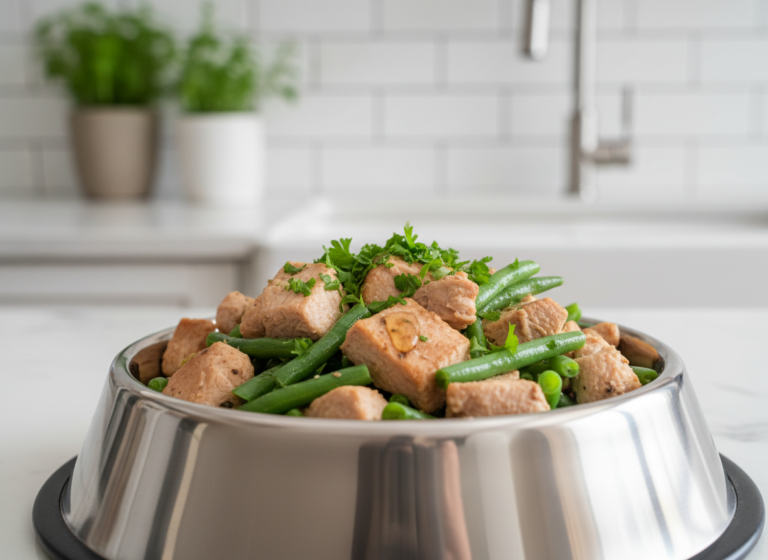
- Lean, Easily Digestible Proteins: Think boiled or baked skinless chicken breast, turkey, cod, or other whitefish. These are low in fat and provide the essential amino acids without overburdening the digestive system.
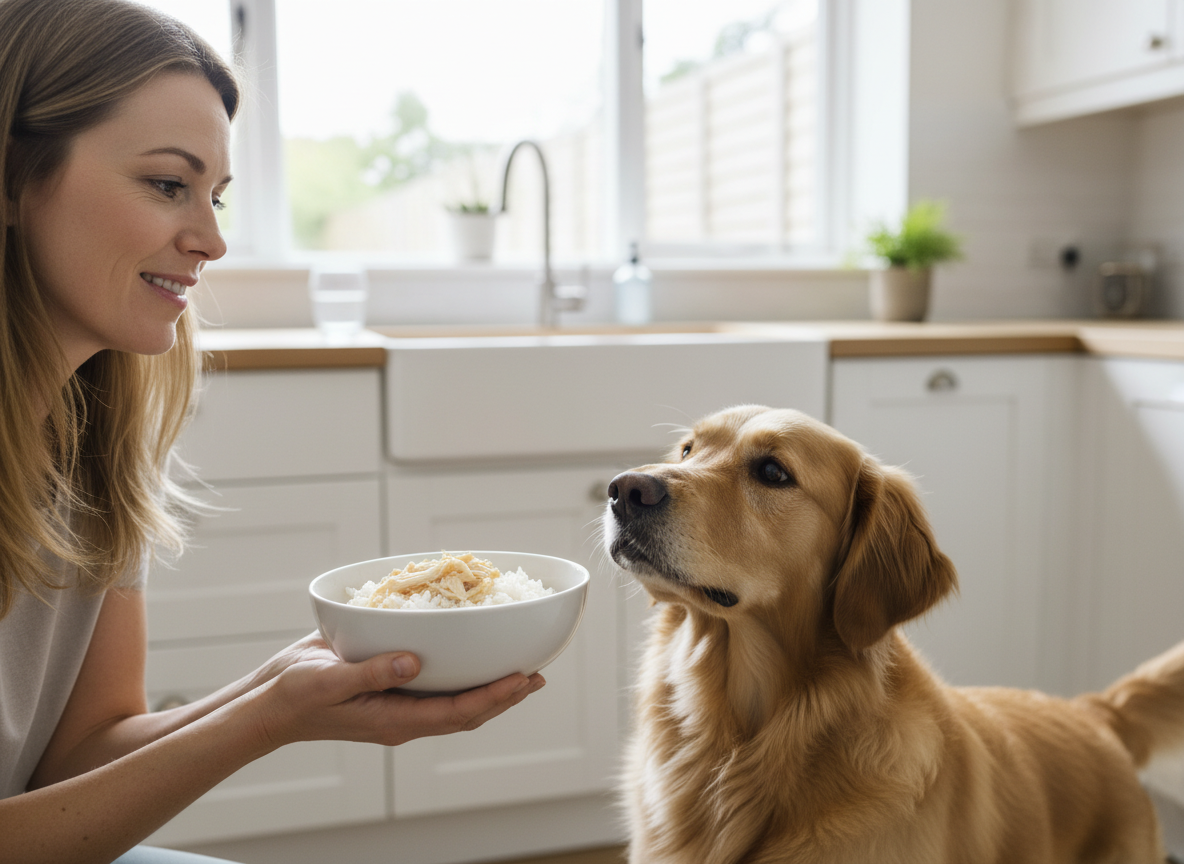
- Low-Fat Complex Carbohydrates: These provide a slow, steady release of energy. Excellent choices include plain cooked white rice (especially during a flare-up), oatmeal, sweet potato, or pumpkin. Pumpkin is a superstar for its soluble fiber, which can help soothe the GI tract.
- Minimal, Healthy Fats: A small amount of fat is necessary. Look for foods with named, quality sources like ‘chicken fat’ or ‘sunflower oil’ in moderation. The goal is a diet that is low-fat overall, typically in the 8-12% fat range on a dry matter basis.
- Soluble Fiber: A small amount of soluble fiber, like that found in pumpkin or psyllium husk, can help regulate the digestive process. It forms a gel-like substance in the gut that can soothe the stomach lining.
The Strategic Feeding Protocol:
This is the most critical part of managing BVS. You must break the fast.
- Divide and Conquer: Split your dog’s total daily food allowance into three or, ideally, four smaller meals. This keeps the stomach from becoming completely empty.
- The Bedtime Snack is Mandatory: This is the ultimate BVS hack. Feed a small, carbohydrate-based snack right before bed. This ‘late-night snack’ should be about 10-15% of their total daily intake. A few tablespoons of cooked oatmeal, a small dog biscuit, or a piece of bread can be enough to absorb stomach acid and prevent overnight bile buildup.
- The Dawn Meal: Feed the first meal of the day as early as possible. Don’t let your dog wait hours after waking up to eat.
Hacker Tip: For the bedtime snack, avoid high-protein or high-fat treats. A simple carbohydrate is best. It acts like a sponge for stomach acid without stimulating a major digestive response. A low-fat, plain biscuit is often perfect.
Commercial Dog Food Deep Dive: Hacking the Label

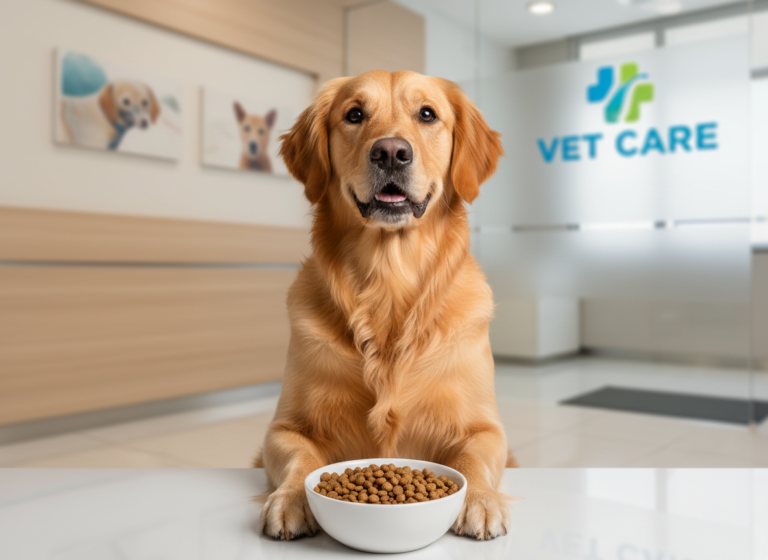
While a temporary home-cooked diet of boiled chicken and rice is great for a flare-up, most owners need a long-term commercial food solution. Navigating the pet food aisle is a minefield. You need to become a forensic analyst of the ‘Guaranteed Analysis’ and ‘Ingredient’ panels. Look for foods specifically marketed for ‘sensitive stomachs’ or ‘digestive care,’ but always verify the claims yourself.
What to Look For:
- Protein: A single, novel, or easily digestible protein source listed first (e.g., deboned turkey, fish).
- Fat Content: Check the Guaranteed Analysis. Aim for a Crude Fat (min) between 8% and 12%. Anything higher is a red flag.
- Carbohydrates: Easily digestible carbs like rice, oats, or sweet potato instead of heavy fillers like corn or soy.
- Fiber: A moderate amount of fiber (Crude Fiber around 3-5%). Look for beneficial sources like pumpkin or beet pulp.
Let’s compare two hypothetical food profiles to see this in action.
| Attribute | Ideal BVS Diet Profile | Problematic Diet Profile |
|---|---|---|
| First 5 Ingredients | Deboned Turkey, Oatmeal, Pearled Barley, Sweet Potatoes, Turkey Meal | Corn, Chicken By-Product Meal, Animal Fat (Preserved with BHA), Lamb Meal, Brewers Rice |
| Crude Protein (min) | 24% | 22% |
| Crude Fat (min) | 10% | 16% |
| Key Features | Single lean protein, low fat, quality carbs, no artificial preservatives. | Filler carb first, vague ‘animal fat’, high fat percentage, uses BHA preservative. |
| Verdict | Excellent choice for a BVS-sensitive dog. | High risk. The high fat and low-quality ingredients are likely triggers. |
Advanced Hacker Tactics: Supplements and Lifestyle Adjustments
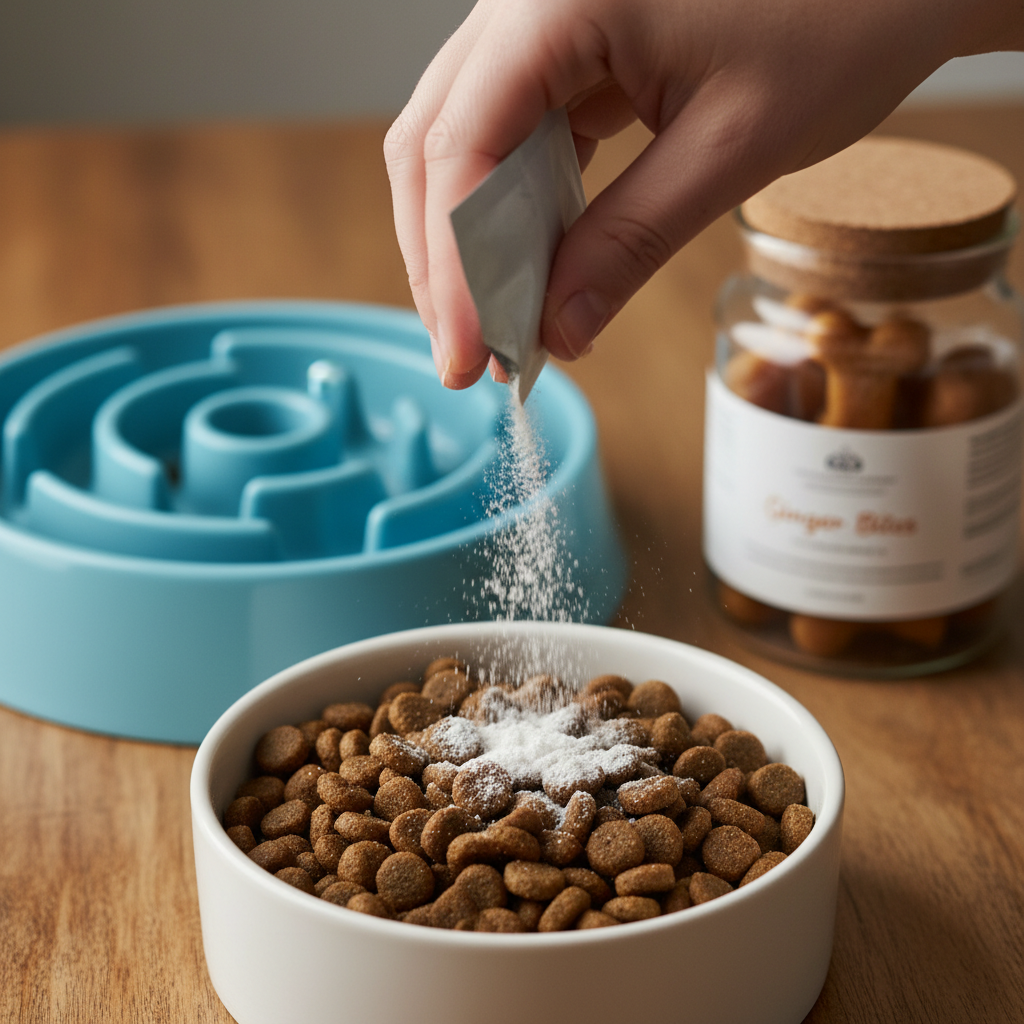
Once you’ve stabilized your dog on the right diet and feeding schedule, you can employ some advanced tactics to further support their digestive health and prevent future flare-ups.
Supportive Supplements:
- Probiotics: A healthy gut microbiome is crucial for good digestion. A high-quality canine probiotic can help balance gut flora, reducing overall inflammation and improving nutrient absorption. Look for products with multiple strains of bacteria and a high CFU (colony-forming unit) count.
- Ginger: Known for its anti-nausea properties in humans, a small amount of ginger can have a similar effect in dogs. A tiny pinch of ginger powder mixed into the bedtime snack or a commercially available ginger treat can help settle the stomach overnight. Consult your vet for proper dosage.
- Slippery Elm or Marshmallow Root: These are known as ‘mucilaginous’ herbs. They create a soothing, protective coating along the digestive tract, which can buffer the stomach lining from irritating bile. These should only be used under veterinary guidance.
Lifestyle Adjustments:
- Slow Feeder Bowls: If your dog gulps down their food, they also swallow a lot of air, which can lead to discomfort. A slow feeder bowl or puzzle toy forces them to eat more slowly, improving digestion.
- Elevated Feeders: For some dogs, eating from an elevated bowl can improve the passage of food into the stomach and reduce reflux. This is not a universal solution but is worth trying.
- Consistent Routine: Dogs thrive on routine. Stick to your feeding times as consistently as possible, even on weekends. This helps regulate their digestive system’s expectations and acid production.
Conclusion
Managing Bilious Vomiting Syndrome is a solvable puzzle. It requires you to shift your mindset from a passive dog owner to an active Canine Nutrition Hacker. By understanding that an empty stomach is the primary enemy, you can implement a powerful, two-part strategy: feed low-fat, easily digestible foods and, most importantly, use a multi-meal schedule with a mandatory bedtime snack. Scrutinize labels, reject problematic ingredients, and embrace a routine that keeps your dog’s digestive system calm and balanced. Remember to partner with your veterinarian to ensure a correct diagnosis and to guide your nutritional strategy. By taking control of the food bowl, you can give your dog the gift of comfortable, vomit-free mornings and restore peace to your home.