How to Use Ground Pumpkin Seeds for Natural Deworming
Welcome to the lab. I’m The Canine Nutrition Hacker, and my mission is to cut through the marketing noise and arm you with data-driven, cost-effective strategies for your dog’s health. Today, we’re targeting one of the most common and costly issues: intestinal worms. Before you reach for that expensive chemical dewormer, let’s talk about a tool that’s likely already in your pantry: the humble pumpkin seed.
For centuries, this seed has been used in traditional medicine as a natural anthelmintic—a substance that expels parasitic worms. But this isn’t folklore; it’s biochemistry. This guide will provide a no-nonsense, actionable protocol for using ground pumpkin seeds as a powerful, natural deworming agent. We’ll analyze the active compound, establish a safe dosage, and run a cost-comparison that will save you money without compromising on efficacy for preventative care.
MEDICAL DISCLAIMER: Let’s be unequivocally clear. I am a canine nutrition analyst, not a veterinarian. The information provided here is for educational purposes and should not be considered a substitute for professional veterinary diagnosis, treatment, or advice. Natural remedies are best suited for prevention and management of mild parasite loads. If you suspect your dog has a heavy worm infestation, is a young puppy, is pregnant, or is otherwise unwell, you must consult your veterinarian immediately. A fecal test from your vet is the only definitive way to diagnose a parasite problem.
The Science Behind the Seeds: Exposing Cucurbitacin
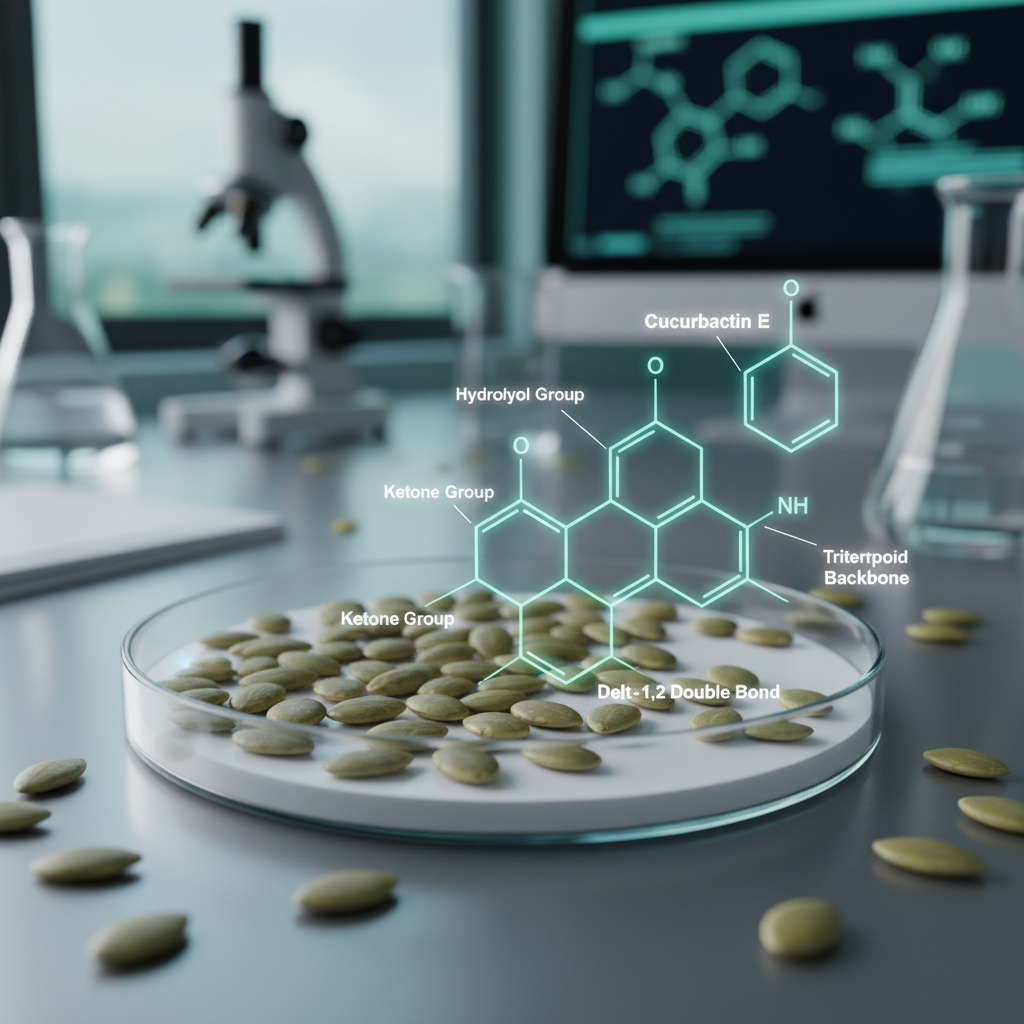
To effectively use any tool, you must understand its mechanism. The power of the pumpkin seed doesn’t come from magic, but from a specific amino acid called cucurbitacin. This compound is a fascinating example of nature’s elegant engineering and is the key to our entire protocol.
What is Cucurbitacin and How Does It Work?
Cucurbitacin is a tetracyclic triterpenoid found in plants of the Cucurbitaceae family, which includes pumpkins, gourds, and squash. When ingested by your dog, this compound has a specific paralytic effect on certain intestinal worms, primarily tapeworms and roundworms. It’s crucial to understand this distinction: it does not outright kill the worms in the way harsh chemical dewormers do. Instead, it acts as a neurotoxin to the parasites, causing them to lose their grip on your dog’s intestinal walls. Once paralyzed and detached, the worms are simply passed out of the body during normal digestion and defecation. This is a less violent, more natural expulsion process compared to chemical agents which can sometimes cause digestive upset as the worms die off inside the gut.
Target-Specific Efficacy
It’s vital to recognize that pumpkin seeds are not a broad-spectrum dewormer. Their efficacy is highest against the two most common intestinal parasites:
- Tapeworms (cestodes): These segmented flatworms attach to the intestinal wall with a scolex (head). Cucurbitacin’s paralytic action is particularly effective at forcing this parasite to detach.
- Roundworms (nematodes): These free-floating, spaghetti-like worms are also susceptible to the effects of cucurbitacin, which interferes with their motility and allows them to be flushed from the system.
However, pumpkin seeds have no effect on other dangerous parasites like heartworm, lungworm, or whipworm. Relying on them for these conditions is not only ineffective but dangerous. This is why a strategic, informed approach is non-negotiable.
The Protocol: Sourcing, Preparation, and Dosage
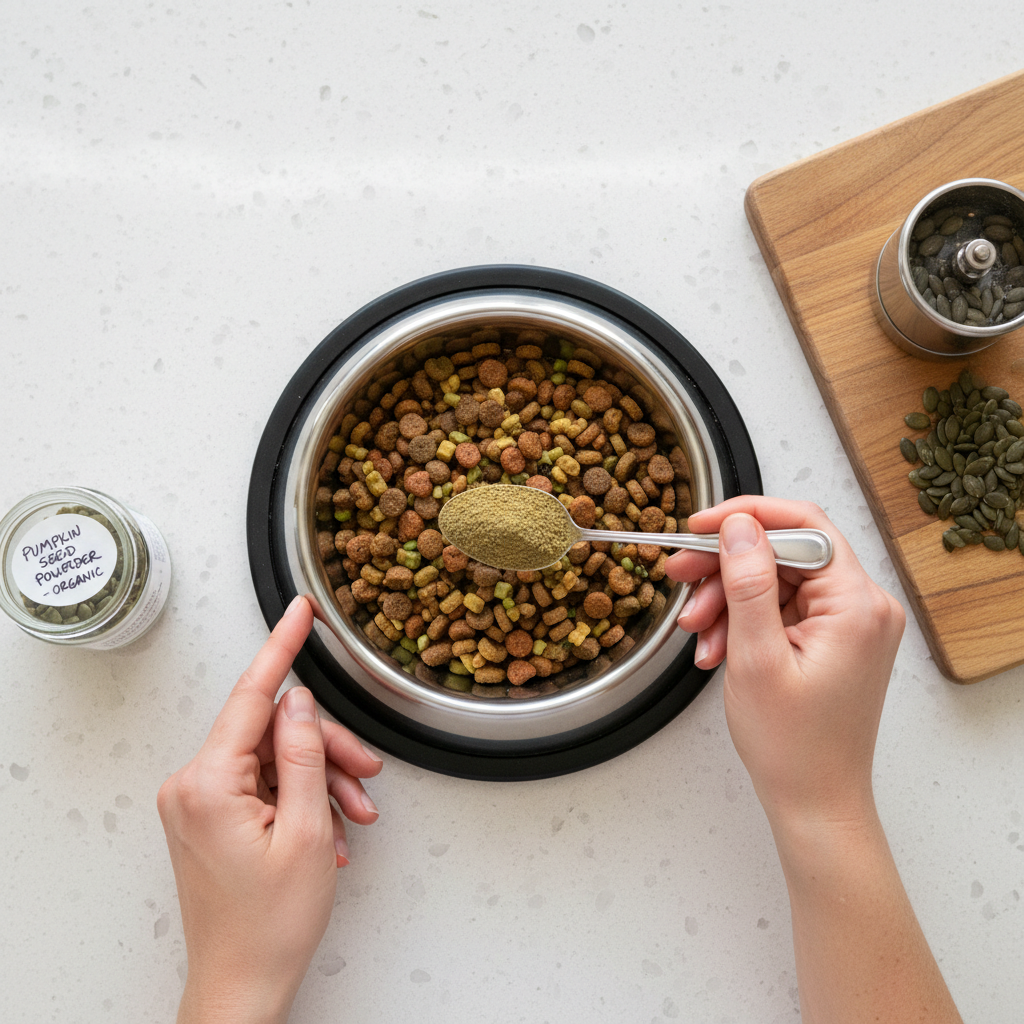
Execution is everything. The effectiveness of this protocol hinges on using the right product and the right process. Deviating from these steps will render the cucurbitacin inert and the entire effort useless. Pay close attention to these details.
Sourcing the Right Seeds: The Raw Mandate
Walk past the roasted, salted pumpkin seeds in the snack aisle. They are worthless for our purposes. Heat denatures the delicate cucurbitacin compound and destroys the beneficial fatty acids. You must source seeds that are:
- Raw: Uncooked and unprocessed to preserve the active compounds.
- Organic: This minimizes pesticide residue, which is critical when you’re using a food as a medicine.
- Unsalted: Excess sodium is harmful to dogs.
- Shelled (Pepitas): While you can use whole seeds and shell them, buying pre-shelled raw pepitas is the most efficient method.
Preparation for Maximum Potency
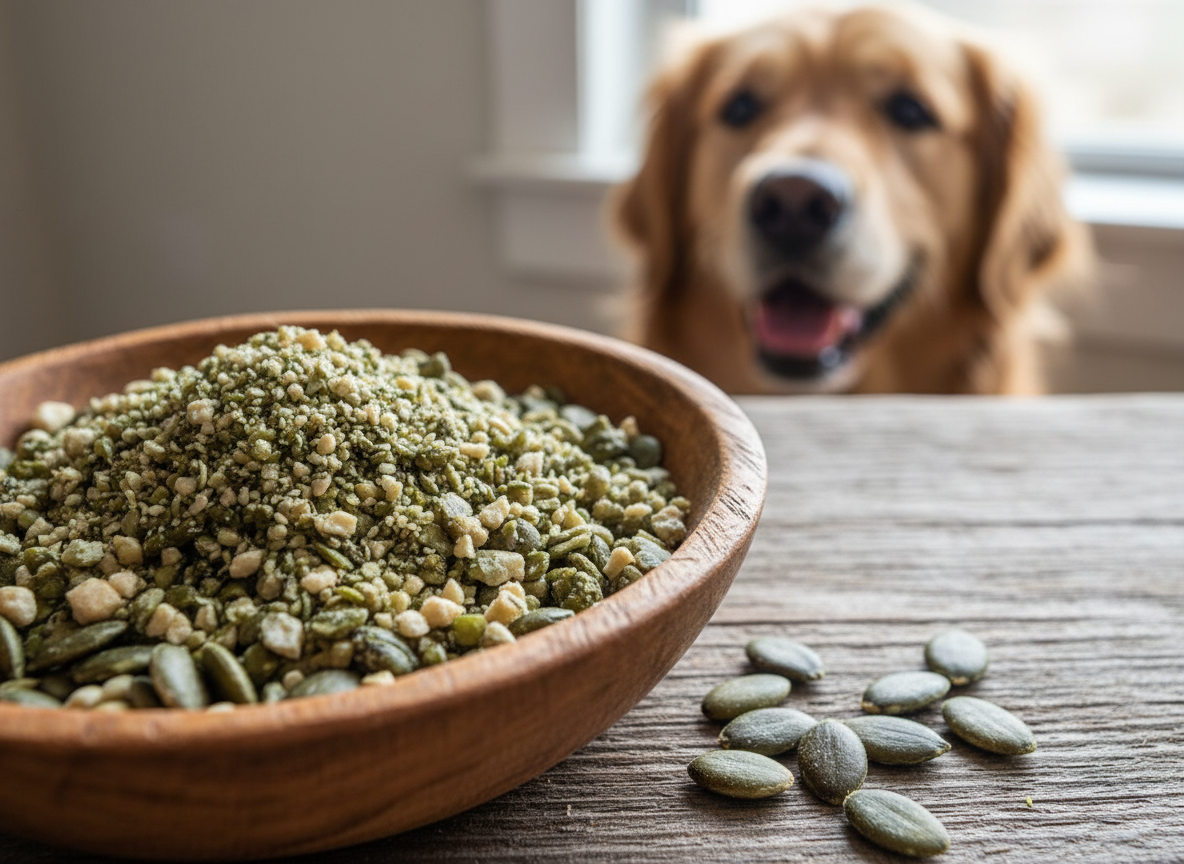
Simply tossing whole seeds into your dog’s bowl is not enough. The goal is to maximize the surface area of the seeds to ensure the cucurbitacin is readily available in the gut. The only way to achieve this is by grinding them into a fresh powder.
- Obtain your raw, organic, shelled pumpkin seeds.
- Using a coffee grinder, spice grinder, or high-powered blender, grind the seeds into a fine, flour-like powder. Do not over-grind, as this can turn it into a paste or butter. A few seconds in pulses is all it takes.
- Administer the powder immediately by mixing it thoroughly into your dog’s food. It has a nutty, palatable taste that most dogs readily accept.
Hacker Tip: Grind your seeds weekly and store them in a sealed, airtight glass jar in the refrigerator. The healthy fats in pumpkin seeds can go rancid quickly when exposed to air, light, and heat, which destroys their potency. Never pre-grind more than a week’s supply.
Calculating the Correct Dosage
Dosing is critical. While pumpkin seeds are safe, giving too little will be ineffective, and too much could lead to digestive upset. The standard, safe protocol is based on body weight. The general rule is to administer approximately 1/4 teaspoon of ground seed powder per 10 pounds of your dog’s body weight, once per day.
- Toy & Small Dogs (Under 20 lbs): 1/2 teaspoon per day
- Medium Dogs (20-50 lbs): 1 teaspoon per day
- Large Dogs (51-80 lbs): 2 teaspoons per day
- Giant Breeds (80+ lbs): 1 tablespoon per day
Important: If your dog has a sensitive stomach, start with half the recommended dose for a few days and gradually work your way up. For preventative use, you can administer this dose daily. For an active (but mild) issue, continue the protocol for one to two weeks.
Cost Analysis: DIY Dewormer vs. The Vet Bill

A key part of being a Canine Nutrition Hacker is maximizing health outcomes while minimizing cost. Let’s break down the real-world cost of a DIY pumpkin seed protocol versus a standard chemical dewormer for a hypothetical 50-pound dog. This analysis focuses on routine, preventative care.
A typical bag of raw, organic pumpkin seeds costs around $10-$15 per pound (16 ounces). One pound contains approximately 96 teaspoons of ground seeds. For our 50lb dog, the dose is 1 teaspoon per day. This means a one-pound bag provides a 96-day supply. The daily cost is approximately $12 / 96 days = $0.125 per day.
Now let’s compare that to a common broad-spectrum chemical dewormer. A single dose for a large dog can range from $15 to $40, depending on the brand and whether it’s prescribed by a vet or purchased over-the-counter. For preventative care, this is often recommended quarterly.
| Feature | Ground Pumpkin Seeds (DIY) | Chemical Dewormer (Vet/OTC) |
|---|---|---|
| Active Ingredient | Cucurbitacin (Natural Amino Acid) | Praziquantel, Pyrantel Pamoate, etc. (Synthetic Chemicals) |
| Cost Per Dose (50lb dog) | ~$0.13 | ~$25.00 |
| Frequency (Prevention) | Daily | Quarterly (Every 3 Months) |
| Approximate Annual Cost | ~$45.62 | ~$100.00 |
| Side Effect Profile | Rare, mild GI upset if overdosed. | Vomiting, diarrhea, lethargy, loss of appetite are commonly reported. |
| Verdict | Extremely cost-effective for targeted prevention of tapeworms and roundworms. Adds nutritional benefits (zinc, magnesium, fiber). | Necessary for broad-spectrum treatment and heavy infestations, but at a significantly higher cost and risk of side effects. |
The numbers speak for themselves. For ongoing prevention of common worms, the pumpkin seed protocol is less than half the price of a chemical alternative, while also providing valuable nutrients and avoiding synthetic ingredients.
Limitations and Critical Warnings: When to Call the Vet

Authority and responsibility go hand-in-hand. Understanding the limitations of this protocol is just as important as understanding its benefits. Using pumpkin seeds inappropriately can lead to a false sense of security while a serious parasite problem worsens. This is not a cure-all.
This is a Tool for Prevention, Not Eradication
Think of pumpkin seeds as part of your preventative maintenance routine. They are highly effective for keeping parasite loads low and expelling the occasional worm. They are NOT a substitute for veterinary intervention in the case of a moderate to heavy infestation.
You must contact your veterinarian immediately if you observe any of the following signs:
- Visible Worms: Seeing rice-like tapeworm segments around the anus or long, spaghetti-like roundworms in stool or vomit.
- Severe Digestive Upset: Persistent diarrhea (with or without blood), vomiting, or loss of appetite.
- Physical Changes: A dull coat, significant weight loss despite a normal appetite, or a distended, ‘pot-belly’ appearance, especially in puppies.
- Behavioral Signs: Excessive ‘scooting’ or licking of the anal region, lethargy, or weakness.
Know Your Enemy: What It Can’t Treat
As stated before, pumpkin seeds are ineffective against some of the most dangerous parasites. Do not attempt to use this protocol for:
- Heartworm
- Whipworm
- Hookworm
- Lungworm
- Giardia or Coccidia
These all require specific, targeted medications prescribed by a veterinarian. Attempting to self-treat these conditions can be fatal.
Insider Secret: The most effective parasite control strategy is one developed in partnership with your vet. Use natural preventative measures like pumpkin seeds for daily support, but never skip your dog’s annual wellness exam and fecal test. The fecal test provides the hard data you need to know what you’re truly fighting. It is the ultimate ground truth.
Conclusion
You are now equipped with the complete, no-nonsense protocol for using ground pumpkin seeds as a natural deworming agent. You understand the science of cucurbitacin, the critical importance of sourcing raw and grinding fresh, and the precise, weight-based dosage for safe administration. Furthermore, the cost analysis proves that for preventative care against tapeworms and roundworms, this is a financially superior strategy that avoids synthetic chemicals.
However, your greatest tool is your knowledge of its limitations. Recognize this as a powerful component of a holistic wellness plan, not a silver bullet. You are your dog’s primary health advocate. By using data-driven, natural tools like this, you can make informed, proactive decisions that support their long-term vitality. Always partner with your veterinarian to create a comprehensive parasite control program that includes both strategic natural prevention and necessary medical intervention. Now go forth and optimize.