
Are Tiger Nuts Safe for Dogs? A Prebiotic Superfood Guide
In the ever-expanding universe of human ‘superfoods,’ it was only a matter of time before the trends trickled down to our dogs’ bowls. We’ve seen kale, quinoa, and coconut oil have their moments. Now, a new contender is generating buzz: the tiger nut. Heralded for its prebiotic fiber and hypoallergenic properties, it sounds like a miracle ingredient. But as a Canine Nutrition Hacker, I don’t deal in buzz. I deal in data, safety, and biological appropriateness. The question isn’t just ‘can’ dogs eat tiger nuts, but ‘should’ they? And if so, how do you do it without causing digestive chaos?
This is not your average pet blog post. This is a forensic deep-dive. We will dismantle the tiger nut’s nutritional profile, analyze its potent effects on the canine gut microbiome, and, most importantly, establish the non-negotiable safety protocols for feeding it. Before we proceed, let’s be clear:
MEDICAL DISCLAIMER: I am not a veterinarian. The information in this guide is for educational purposes only and is based on extensive research into canine nutrition. It is not a substitute for professional veterinary advice. Always consult with your veterinarian before introducing any new food or supplement into your dog’s diet, especially if your dog has pre-existing health conditions like pancreatitis or diabetes.
Deconstructing the ‘Tiger Nut’: Not a Nut, But a Nutritional Powerhouse

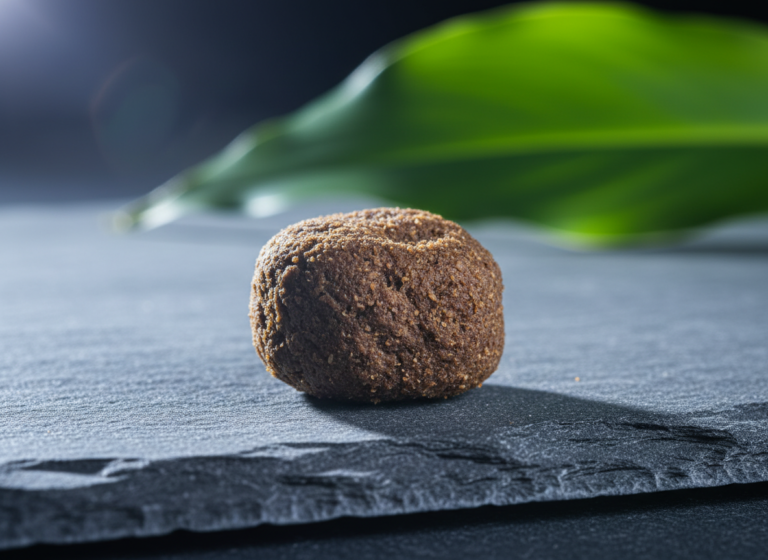
First, let’s clear up a critical misconception. Despite the name, a tiger nut is not a nut. It belongs to the tuber family, just like potatoes or yams. This is excellent news for dogs with true nut allergies. These small, wrinkled tubers have been consumed by humans for centuries and are packed with a surprising amount of nutrition that can be beneficial for our canine companions, provided we understand the composition.
The Macronutrient Profile
Tiger nuts are primarily a source of carbohydrates and fats, with a moderate amount of protein. The key is the *type* of carbohydrates and fats they contain.
- Carbohydrates: A significant portion of the carbs in tiger nuts is resistant starch. This is a type of dietary fiber that ‘resists’ digestion in the small intestine. Instead of being broken down into sugar, it travels to the large intestine, where it becomes food for your dog’s beneficial gut bacteria. This is the foundation of its prebiotic power.
- Fats: The fat profile is dominated by oleic acid, the same heart-healthy monounsaturated fat found in olive oil. This fat helps support cellular function and can contribute to a healthy skin and coat. However, the fat content is also a warning sign: moderation is critical, especially for dogs prone to weight gain or pancreatitis.
- Protein: While not a primary protein source, tiger nuts do contain plant-based proteins, contributing to the overall amino acid profile of your dog’s diet.
Vitamins and Minerals of Note
Beyond the macros, tiger nuts are a respectable source of micronutrients that support various bodily functions:
- Vitamin E: A powerful antioxidant that helps protect cells from oxidative damage.
- Vitamin C: Crucial for immune system support and collagen synthesis.
- Iron: Essential for creating red blood cells and transporting oxygen throughout the body.
- Magnesium: Plays a vital role in over 300 biochemical reactions, including muscle function, nerve signaling, and maintaining a steady heartbeat.
- Potassium: An electrolyte that is critical for maintaining fluid balance and proper nerve function.
Understanding this nutritional makeup is the first step. It’s not just ‘food’; it’s a collection of powerful compounds that can either help or harm, depending entirely on preparation and dosage.
The Prebiotic Advantage: Fueling Your Dog’s Inner Ecosystem
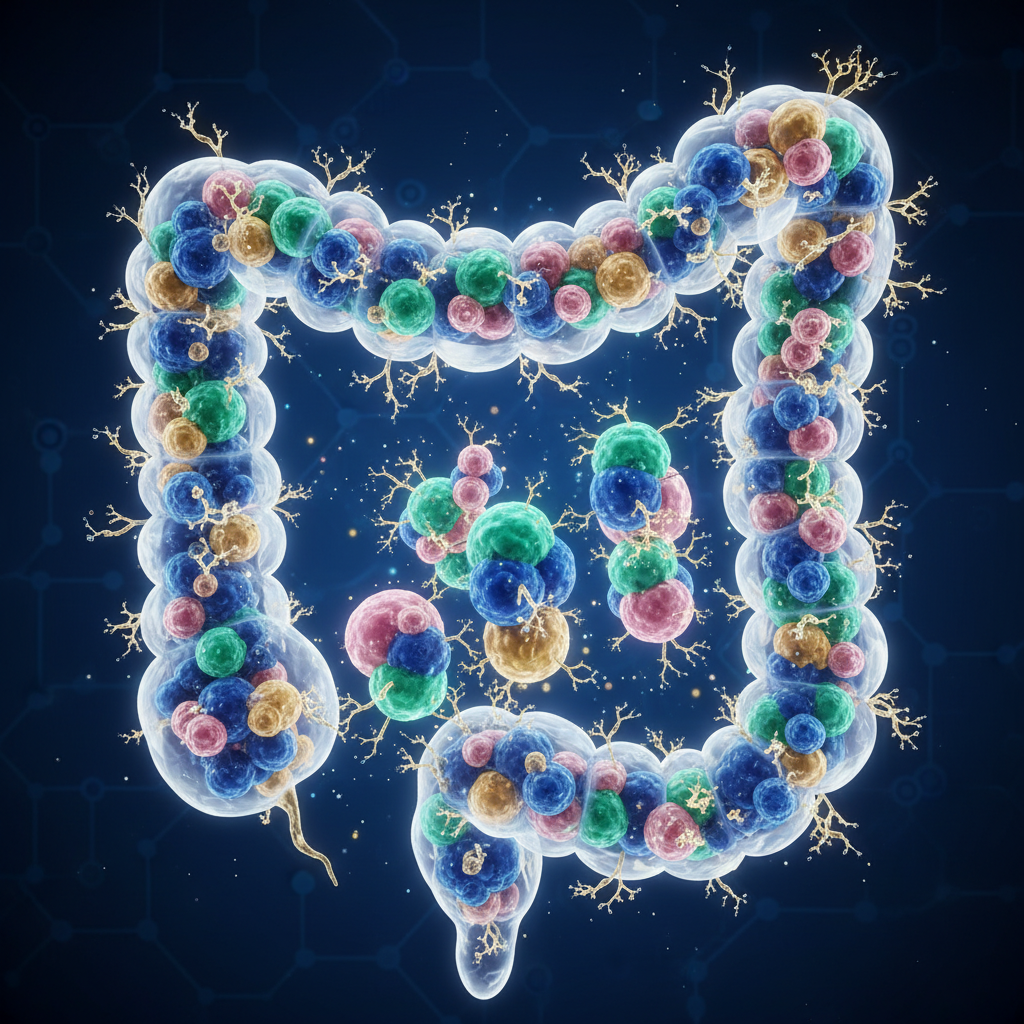
The single most compelling reason to consider tiger nuts for your dog is their potent prebiotic effect. To understand why this is a game-changer for canine health, we need to differentiate between prebiotics and probiotics.
- Probiotics are the live, beneficial bacteria themselves (like those found in yogurt or kefir). They are the ‘good guys’ that live in the gut.
- Prebiotics are the *food* for those good guys. They are specialized plant fibers that nourish the existing beneficial bacteria, helping them to multiply and thrive.
The resistant starch in tiger nuts is a premium-grade prebiotic. When it reaches your dog’s colon, the beneficial bacteria ferment it, producing compounds called short-chain fatty acids (SCFAs), such as butyrate. These SCFAs are the real heroes of gut health.
The Benefits of a Thriving Gut Microbiome
By feeding the good bacteria and promoting the production of SCFAs, you can unlock a cascade of health benefits:
- Improved Digestion & Stool Quality: A well-fed microbiome leads to more efficient digestion, better nutrient absorption, and firmer, more regular stools. It can be particularly helpful for dogs with sensitive stomachs.
- Enhanced Immune Function: Nearly 70-80% of your dog’s immune system resides in the gut. A healthy gut lining, supported by SCFAs, acts as a strong barrier against pathogens, reducing the risk of illness.
- Reduced Inflammation: Chronic, low-grade inflammation is at the root of many diseases. Butyrate, in particular, has powerful anti-inflammatory properties that can benefit the entire body.
- Potential for Better Mood and Behavior: The gut-brain axis is a well-established scientific concept. A healthier gut can lead to the production of neurotransmitters like serotonin, potentially influencing mood and reducing anxiety.
Insider Secret: The power of prebiotics is magnified when used alongside probiotics. If your dog is on a probiotic supplement (especially after a course of antibiotics that wiped out their gut flora), adding a small amount of a prebiotic like tiger nut flour provides the perfect fuel to help those new probiotic colonies establish themselves and flourish. It’s the difference between planting seeds and planting seeds in fertilized soil.
The Canine Nutrition Hacker’s Warning: Potential Risks and Safe Preparation

Do not just grab a handful of tiger nuts and toss them to your dog. This is where knowledge separates a beneficial supplement from a dangerous mistake. The risks are real, but they are 100% manageable with proper protocol.
Risk 1: Choking Hazard & Intestinal Blockage
Whole, dried tiger nuts are small, incredibly hard, and dense. They are a severe choking hazard for dogs of all sizes. If swallowed whole, they can also easily cause a life-threatening intestinal blockage. Under no circumstances should you ever feed your dog a whole, unprepared tiger nut.
Risk 2: Acute Digestive Upset
The high fiber content, while beneficial, can be a shock to a dog’s digestive system if introduced too quickly or in too large a quantity. This can lead to painful gas, bloating, cramping, and severe diarrhea. The rule is to start low and go slow. Very slow.
Risk 3: High Fat and Calorie Content
While the fats are healthy, they are still calorie-dense. For dogs that are overweight, diabetic, or have a history of pancreatitis, the fat content is a serious consideration. All treats and supplements must be factored into your dog’s total daily caloric intake. For pancreatitis-prone dogs, tiger nuts may be too risky altogether—a clear case for consulting your vet.
The Non-Negotiable Preparation Protocol
To mitigate these risks, you must prepare tiger nuts correctly. There are two primary safe methods:
- Grinding into Flour: This is the safest and most recommended method. Use a powerful blender or coffee grinder to mill whole, peeled tiger nuts into a fine powder. This eliminates the choking hazard entirely and makes the nutrients more bioavailable. You can then sprinkle this flour over their regular food.
- Soaking and Blending: You can soak whole, peeled tiger nuts in water for 24-48 hours until they are soft. After soaking, you can blend them with a bit of water to create a ‘milk’ or puree. This can be added to food, but be mindful of the portion size. This method is more labor-intensive and the resulting product has a shorter shelf life.
The Dosage Dossier: A Practical Guide to Safe Introduction
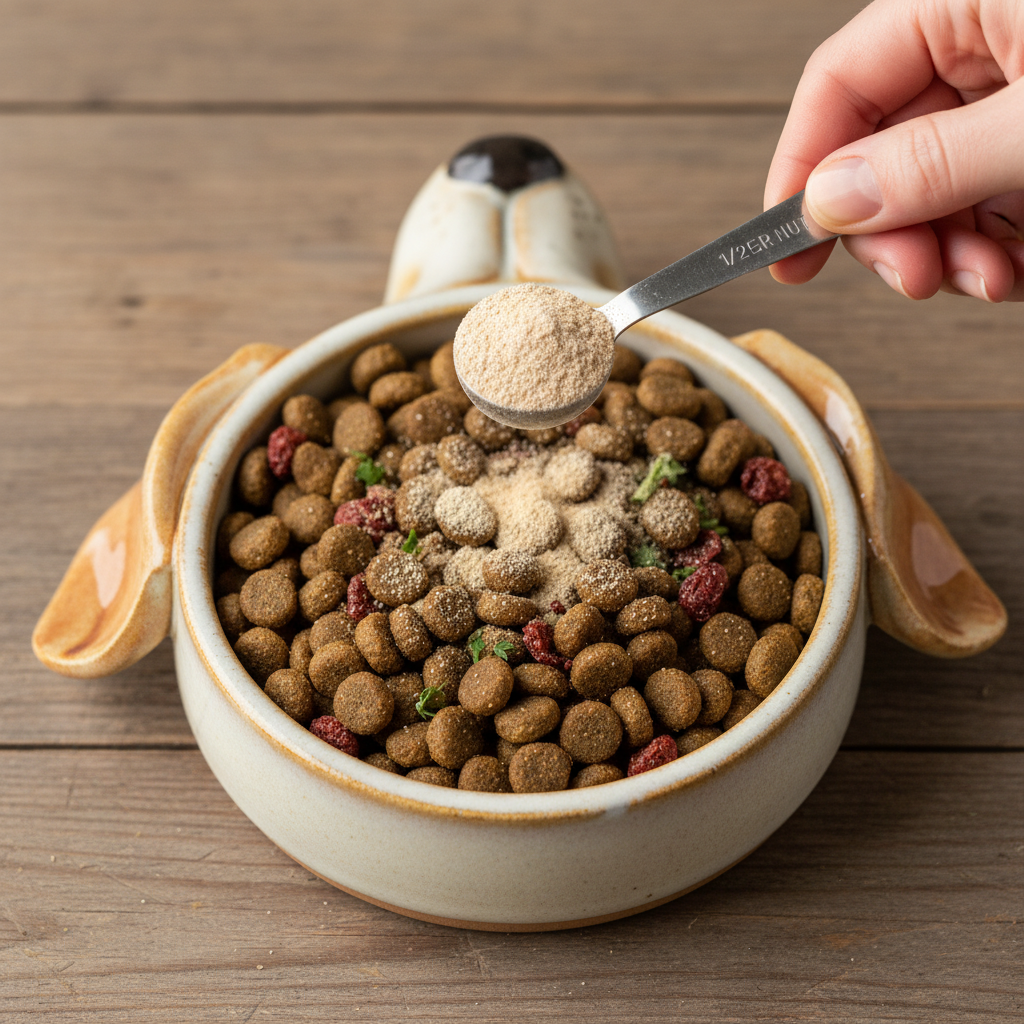
Once you have your finely ground tiger nut flour, the next critical step is dosage. This is not a ‘scoop and serve’ ingredient. The goal is to provide a supplemental amount of prebiotic fiber, not to replace a significant portion of their diet. The ‘start low, go slow’ mantra is paramount.
Step 1: The Initial Introduction
Begin with a minuscule amount. The purpose of the first few days is simply to see if your dog has any individual sensitivity. For the first 1-3 days, give a ‘test dose’ and watch for any signs of digestive upset like loose stools or gas.
Step 2: The Gradual Increase
If the test dose is well-tolerated, you can begin to slowly increase the amount over the course of 1-2 weeks until you reach a maintenance dose. Do not rush this process. A slow ramp-up allows the gut microbiome to adapt to the new fiber source, minimizing the risk of side effects.
Step 3: The Maintenance Dose
The final maintenance dose will depend on your dog’s size and individual tolerance. This is not meant to be a large part of their diet. Think of it as a functional garnish.
Here is a general guideline for a daily maintenance dose of tiger nut flour. Always start with the test dose first.
| Dog Size | Weight Range | Suggested Daily Maintenance Dose (Flour) |
|---|---|---|
| Small | Under 20 lbs | 1/4 teaspoon |
| Medium | 20 – 50 lbs | 1/2 teaspoon |
| Large | 51 – 90 lbs | 1 teaspoon |
| Giant | Over 90 lbs | Up to 1.5 teaspoons |
Important: These are just starting points. If at any point your dog develops loose stools, reduce the amount or discontinue use. Every dog is an individual. Always provide plenty of fresh water, as a high-fiber diet requires adequate hydration to work effectively.
Conclusion
So, what’s the final verdict from the Canine Nutrition Hacker? Are tiger nuts a revolutionary superfood for dogs? The answer is a qualified yes. They are not a gimmick. The prebiotic power of their resistant starch is scientifically sound and offers tangible benefits for gut health, which is the cornerstone of overall wellness. However, they are not a simple, plug-and-play ingredient.
Their safety is entirely conditional on proper preparation and disciplined dosing. Fed whole, they are a danger. Fed in excess, they are a digestive nightmare. But when ground into a fine flour and introduced slowly and responsibly, they can be a powerful tool in your nutritional arsenal, especially for dogs with sensitive stomachs or those needing immune support.
Ultimately, the decision to add tiger nuts to your dog’s diet is one that requires diligence. You are the gatekeeper of your dog’s health. By understanding both the potent benefits and the serious risks, you can make an informed choice that moves beyond marketing hype and into the realm of strategic, effective canine nutrition.