
Chicken Hearts for Dogs: Raw vs. Cooked & Serving Limits
IMPORTANT DISCLAIMER: I am The Canine Nutrition Hacker, not a veterinarian. The information in this guide is for educational purposes and is based on extensive research and experience. Chicken hearts should be considered a supplemental food or treat, not a complete diet. Always consult with your veterinarian or a board-certified veterinary nutritionist before making significant changes to your dog’s diet, especially if your dog has underlying health conditions.
Let’s cut through the marketing noise. The pet food aisle is a minefield of buzzwords and questionable ingredients. As a savvy owner, you analyze labels and question everything. That’s why you’re here. You’ve heard whispers about chicken hearts being a nutritional powerhouse, a so-called ‘superfood’ for dogs. The truth? They absolutely are, but only if you know the rules. Feeding them incorrectly can lead to problems. This guide is your blueprint for safely and effectively incorporating chicken hearts into your dog’s diet. We will conduct a nutritional autopsy, settle the raw vs. cooked debate, establish strict serving limits, and break down the real costs. Prepare to upgrade your dog’s nutrition game.
The Nutritional Autopsy: Why Chicken Hearts Are a Canine Superfood
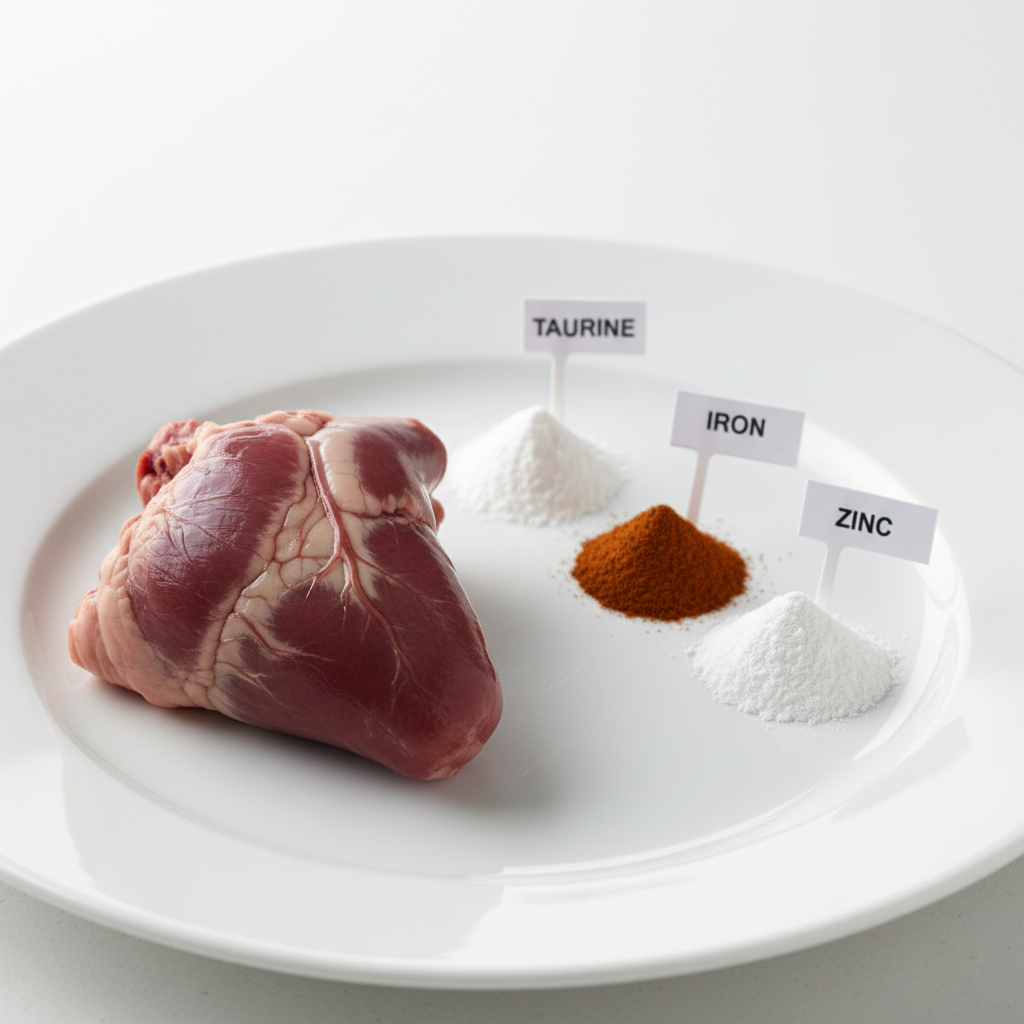
Before we feed anything to our dogs, we must first understand its composition. A chicken heart isn’t just muscle meat; it’s a nutrient-dense organ packed with compounds essential for canine health. Think of it as a natural multivitamin.
Key Bioactive Compounds:
- Taurine: This is the headline ingredient. Taurine is a critical amino acid vital for cardiovascular function, eye health (retinal function), and a healthy immune system. While dogs can synthesize some taurine, certain breeds and dogs on specific diets (like grain-free) can be at risk for deficiency, which can lead to a serious heart condition called Dilated Cardiomyopathy (DCM). Hearts are one of the most concentrated natural sources of taurine available.
- Coenzyme Q10 (CoQ10): A powerful antioxidant that supports cellular energy production, CoQ10 is especially beneficial for the heart muscle itself and is crucial for senior dogs or those with cardiac issues.
- Iron & Zinc: These essential minerals are found in highly bioavailable forms in chicken hearts. Iron is fundamental for red blood cell production and oxygen transport, fighting fatigue and anemia. Zinc is a workhorse mineral, supporting immune function, skin and coat health, and thyroid function.
- B Vitamins: Hearts are rich in a full spectrum of B vitamins, including B6 and B12. These vitamins are the spark plugs of the body, crucial for energy metabolism, nervous system function, and the formation of red blood cells.
Hacker Tip: Don’t confuse organ meat with muscle meat. While both provide protein, organs like the heart contain a vastly more concentrated and diverse profile of vitamins and minerals. They are nature’s performance enhancers.
The Great Debate: Raw vs. Cooked Preparation
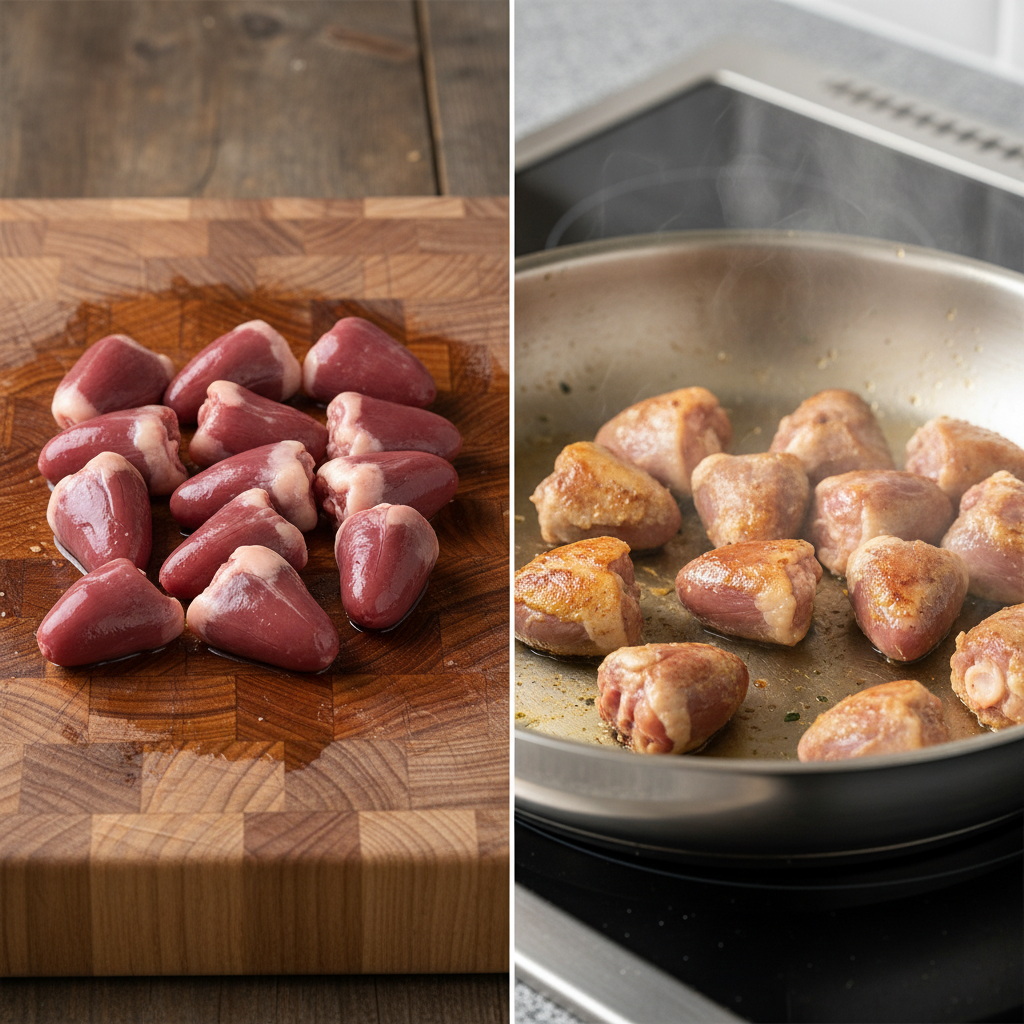
The primary conflict when feeding fresh foods is the raw versus cooked question. Both methods have merit, and the right choice depends on your comfort level with food safety, your sourcing quality, and your specific dog’s health.
The Case for Raw: Maximum Nutrient Potency
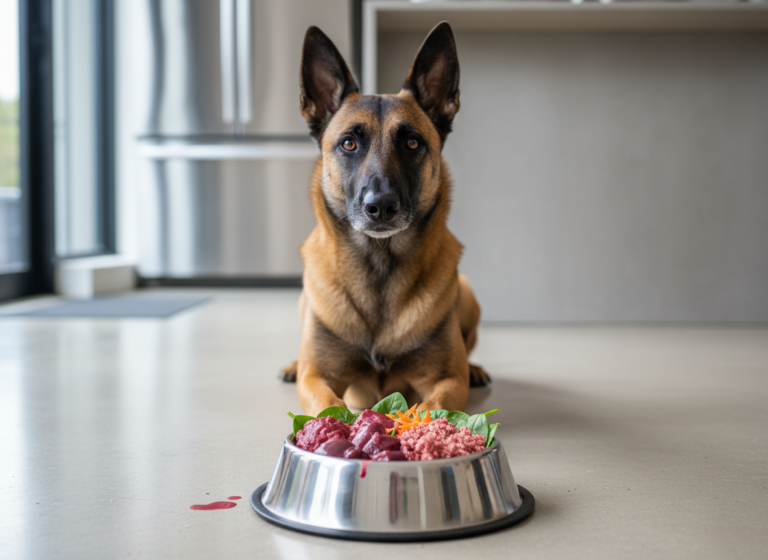
Advocates of raw feeding argue that it is the most ‘biologically appropriate’ method. The primary benefit is the preservation of nutrients in their natural state.
- Unaltered Nutrients: Heat can degrade certain vitamins and denature enzymes. Feeding raw ensures that the full spectrum of B vitamins and delicate compounds like taurine are delivered at maximum potency.
- Dental Benefits: The firm, chewy texture of raw hearts can provide a minor dental cleaning effect as your dog chews.
The Inherent Risk: The primary drawback is the risk of bacterial contamination. Pathogens like Salmonella and Campylobacter can be present on raw poultry. While a healthy dog’s digestive system is robust, the risk of illness is not zero. Furthermore, these bacteria pose a significant cross-contamination risk to the humans in your household. If you choose to feed raw, sourcing from a trusted, high-quality supplier is non-negotiable.
The Case for Cooked: Safety First
Cooking is the most effective way to eliminate harmful bacteria, providing peace of mind. For most pet owners, this is the safest and most practical approach.
- Pathogen Elimination: Gently cooking chicken hearts to an internal temperature of 165°F (74°C) will kill harmful bacteria, making them safe for your dog and eliminating cross-contamination risks in your kitchen.
- Digestibility: For some dogs, particularly those with sensitive stomachs, cooked meat can be easier to digest than raw.
The downside is potential nutrient loss, but it’s often overstated. A gentle cooking method minimizes this. Avoid boiling for long periods, which leaches water-soluble vitamins into the water. Instead, opt for a quick poach, a light pan-sear with no oil, or baking.
Insider Secret: The best compromise is often a ‘flash cook’. Briefly drop the hearts into boiling water for 30-60 seconds. This is enough to kill surface bacteria while leaving the inside mostly raw, preserving the maximum amount of nutrients with a reduced risk profile.
The Forensic Feeding Guide: Precise Serving Limits
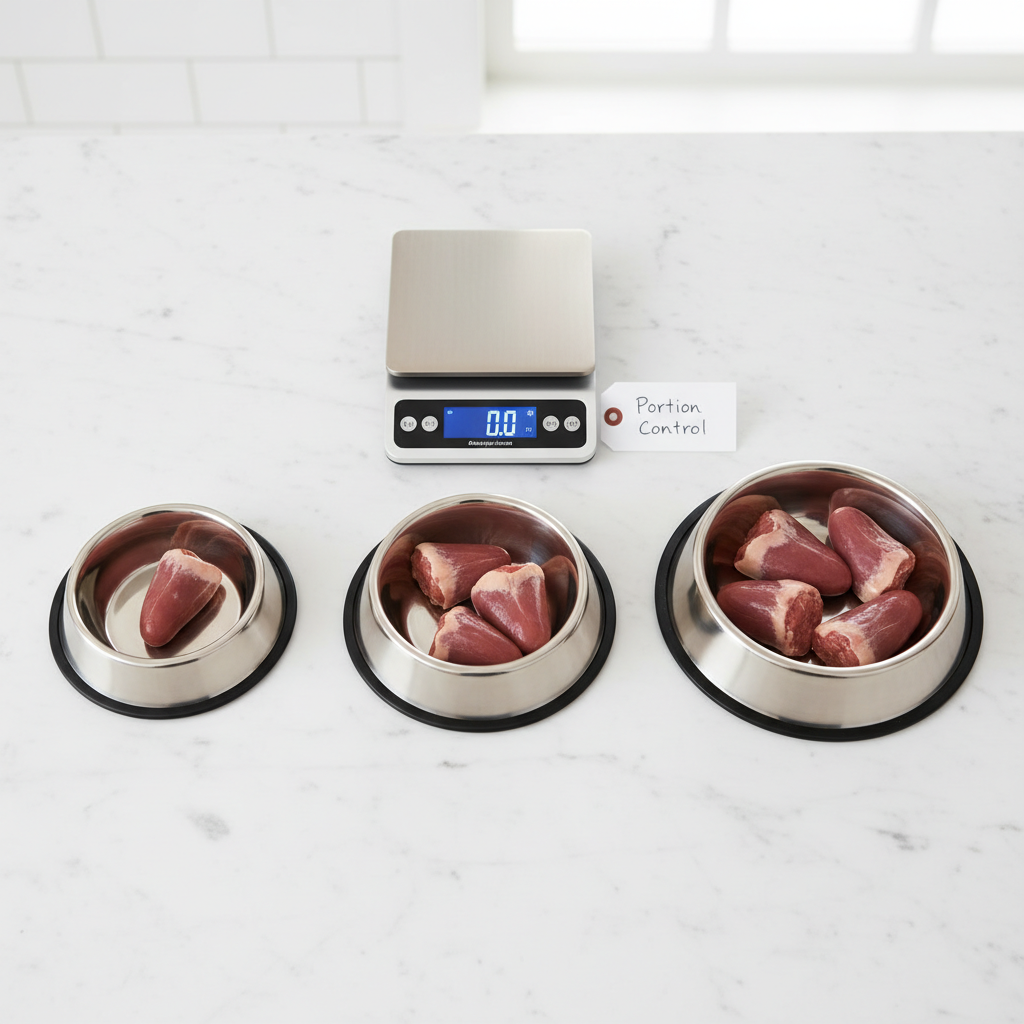
This is where most owners make mistakes. More is not better. Chicken hearts are incredibly rich, and overfeeding can lead to digestive upset (diarrhea) or, over time, nutrient imbalances. The golden rule is that organ meats should constitute no more than 5-10% of your dog’s total daily food intake.
A typical chicken heart weighs approximately 0.2-0.3 ounces. Use the following table as a strict starting point and adjust based on your dog’s individual tolerance. Introduce them slowly over a week to allow their system to adapt.
| Dog Size (Weight) | Daily Serving Recommendation (Treat/Supplement) | Weekly Maximum |
|---|---|---|
| Toy (Under 10 lbs) | 1/2 to 1 heart per day | 5-7 hearts |
| Small (10-25 lbs) | 1-2 hearts per day | 14 hearts |
| Medium (26-50 lbs) | 2-4 hearts per day | 28 hearts |
| Large (51-90 lbs) | 4-5 hearts per day | 35 hearts |
| Giant (90+ lbs) | 5-6 hearts per day | 42 hearts |
Important: If you are feeding a commercially prepared complete and balanced kibble, these hearts are a ‘treat’ or ‘supplement’. You must account for their calories and slightly reduce the amount of kibble you feed on days you give hearts to prevent weight gain.
Sourcing & Safe Handling: Your Pre-Flight Checklist
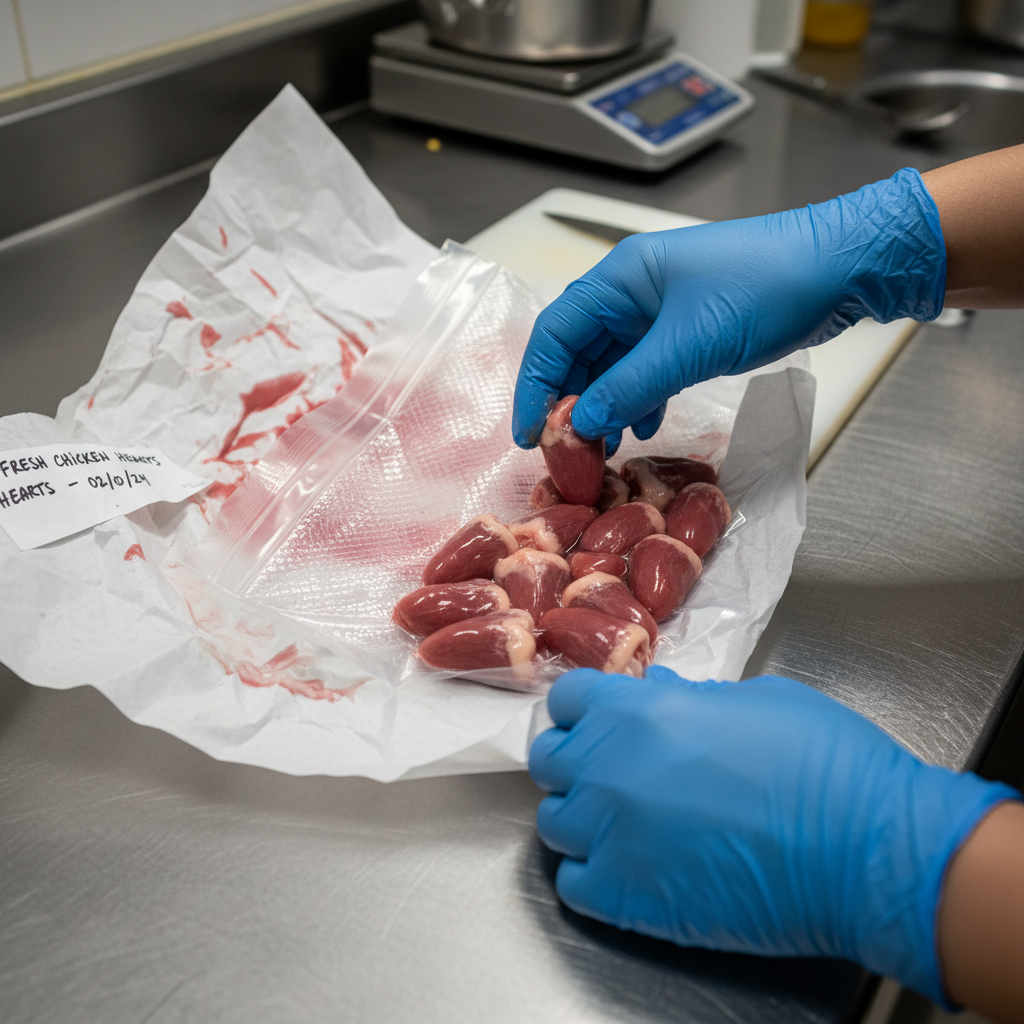
The quality of the source directly impacts the safety and nutritional value of the hearts. You cannot afford to cut corners here.
Sourcing Guidelines:
- Reputable Butchers & Farmers: Your best source is a local butcher or a farmer’s market where you can inquire about how the chickens were raised. Look for pasture-raised or organic options if your budget allows.
- Grocery Store Inspection: When buying from a supermarket, check the ‘packed on’ date. Freshness is paramount. The hearts should have a deep red/purple color and be firm to the touch, with no off-smell.
- Avoid ‘Enhanced’ Poultry: Read the label carefully. Do not buy chicken products that have been injected with a saline solution or other flavor enhancers. You want pure, unadulterated hearts.
Safe Handling Protocol (Raw or Cooked):
- Designated Surfaces: Use a specific cutting board (preferably non-porous plastic or glass) exclusively for raw meat.
- Thorough Cleaning: After handling, wash your hands, the cutting board, knives, and any countertops with hot, soapy water. Sanitize the cutting board and sink afterward.
- Proper Storage: Store raw chicken hearts in a sealed, leak-proof container on the bottom shelf of your refrigerator to prevent juices from dripping onto other foods. Use within 1-2 days.
Batch Cooking & Freezing:
Chicken hearts freeze exceptionally well. You can buy in bulk to save money. Portion them out into daily or weekly serving sizes in freezer bags or containers. They can be cooked from frozen (add a few minutes to the cooking time) or thawed in the refrigerator overnight. Frozen hearts also make a great crunchy, cooling treat on a hot day.
The Cost Analysis: DIY Hearts vs. Commercial Treats
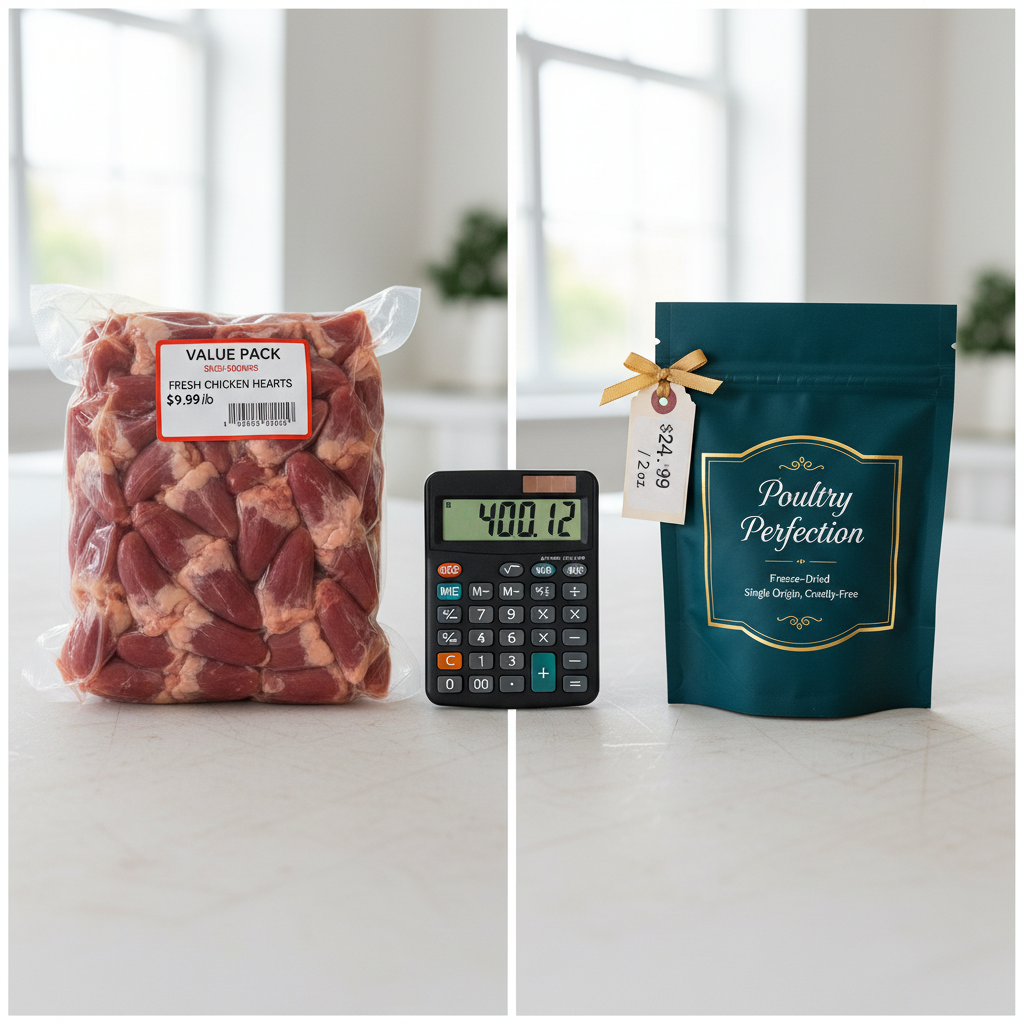
Part of being a nutrition hacker is maximizing nutritional value per dollar. Let’s break down the cost of fresh chicken hearts versus their commercial, freeze-dried counterparts. Prices will vary by location, but the value proposition is clear.
| Item | Typical Price | Price Per Ounce (Approx.) | Nutritional Value | Verdict |
|---|---|---|---|---|
| Fresh Chicken Hearts (Grocery/Butcher) | $2.00 – $4.00 per lb (16 oz) | $0.12 – $0.25 | Highest bioavailability, no additives, moisture-rich. | Highest value & quality. Requires prep. |
| Freeze-Dried Chicken Heart Treats (Boutique Brand) | $15.00 – $25.00 per 3 oz bag | $5.00 – $8.33 | Excellent nutrient retention, but processed and dehydrated. | Convenient but extremely expensive. |
The analysis is stark. You can pay over 20 times more for the convenience of a pre-packaged treat. By purchasing fresh hearts and preparing them yourself (even if it’s just portioning and freezing), you gain complete control over the quality and save a significant amount of money that can be re-invested into other areas of your dog’s health and wellness.
Conclusion
The verdict is in: chicken hearts are an elite, cost-effective nutritional supplement for most dogs. They offer a concentrated source of taurine, CoQ10, and essential minerals that can support heart health, energy levels, and overall vitality. The choice between raw and cooked comes down to a personal risk assessment, but gentle cooking offers a safe, effective method for all owners. The most critical takeaway is the principle of moderation. Adhere strictly to the serving guidelines—no more than 5-10% of the total diet—to prevent digestive upset and maintain a balanced nutritional profile. By sourcing quality ingredients, practicing safe handling, and understanding the precise dosage, you have successfully hacked your dog’s diet, adding a powerful, whole-food supplement without falling for expensive marketing gimmicks. You are in control.