
Chihuahua Diet Guide: Preventing Hypoglycemia in Toy Breeds
The charm of a Chihuahua is immense, but their tiny size hides a significant vulnerability: hypoglycemia. This rapid, dangerous drop in blood sugar is not just a minor health issue; for a toy breed, it can be a life-threatening emergency. Most owners are unaware of how their feeding choices directly contribute to this risk. As the Canine Nutrition Hacker, I’m here to cut through the marketing noise and give you the unvarnished truth. This isn’t about fancy brands; it’s about a fundamental nutritional strategy. This guide provides the blueprint to hacker-proof your Chihuahua’s diet, turning their mealtime into a powerful defense against hypoglycemia.
MEDICAL DISCLAIMER: I am a canine nutrition analyst, not a veterinarian. The information in this article is for educational purposes only and is based on extensive research and analysis. It is not a substitute for professional veterinary advice, diagnosis, or treatment. Always consult with your veterinarian regarding your dog’s specific health needs and before making any changes to their diet or care regimen, especially if you suspect they have a medical condition like hypoglycemia.
Understanding the Enemy: What is Hypoglycemia and Why Are Chihuahuas at Risk?
Hypoglycemia, in simple terms, is a condition where the level of glucose (sugar) in the blood drops to dangerously low levels. For all mammals, glucose is the primary source of energy for the body’s cells, especially the brain. When these levels plummet, the body’s systems can begin to shut down. While any dog can technically experience this, toy breeds like Chihuahuas are uniquely susceptible due to a perfect storm of physiological factors.
The Chihuahua’s High-Risk Profile
Understanding ‘why’ is the first step to effective prevention. It’s not a flaw; it’s simply their unique biology:
- High Metabolism, Low Reserves: Think of your Chihuahua as a high-performance engine in a tiny chassis. They burn through energy at an incredibly fast rate. Unlike a large breed dog that has significant fat and glycogen (a form of stored glucose) reserves in the liver, a Chihuahua has very little storage space. They can deplete their available energy in just a few hours.
- Small Body Mass: Their low body weight means there’s less tissue to store glucose. A missed meal or a sudden burst of activity can have a much more dramatic impact on their blood sugar than it would on a 60-pound Labrador.
- Stress and Temperature Sensitivity: Factors like stress (a trip to the vet, loud noises) or cold temperatures can cause a Chihuahua to burn through their energy reserves even faster as their body works overtime to cope and stay warm.
Recognizing the Warning Signs
Knowing the symptoms of a hypoglycemic attack is non-negotiable. Acting quickly can save your dog’s life. Be vigilant for:
- Lethargy and Weakness: One of the first signs is often extreme tiredness or a ‘drunken’ gait.
- Shivering or Trembling: Uncontrolled muscle tremors are common as the body struggles.
- Disorientation: Your dog may seem confused, stare blankly, or not respond to their name.
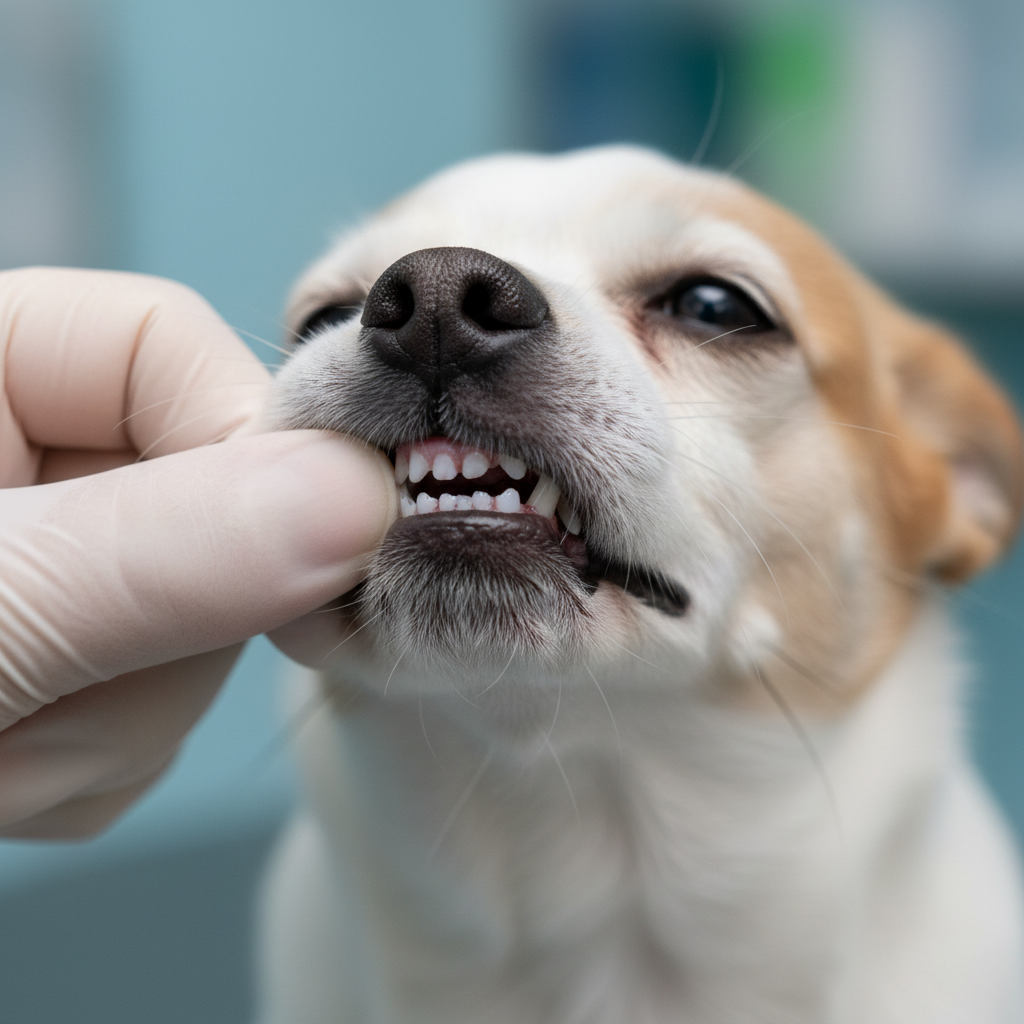
- Pale Gums: Check their gums; a pale, whitish, or blueish tint indicates poor circulation, a common sign.
- Seizures or Collapse: In severe cases, the brain is starved of energy, leading to seizures, loss of consciousness, and coma. This is a critical emergency.
The Nutritional Blueprint: A Proactive Feeding Strategy
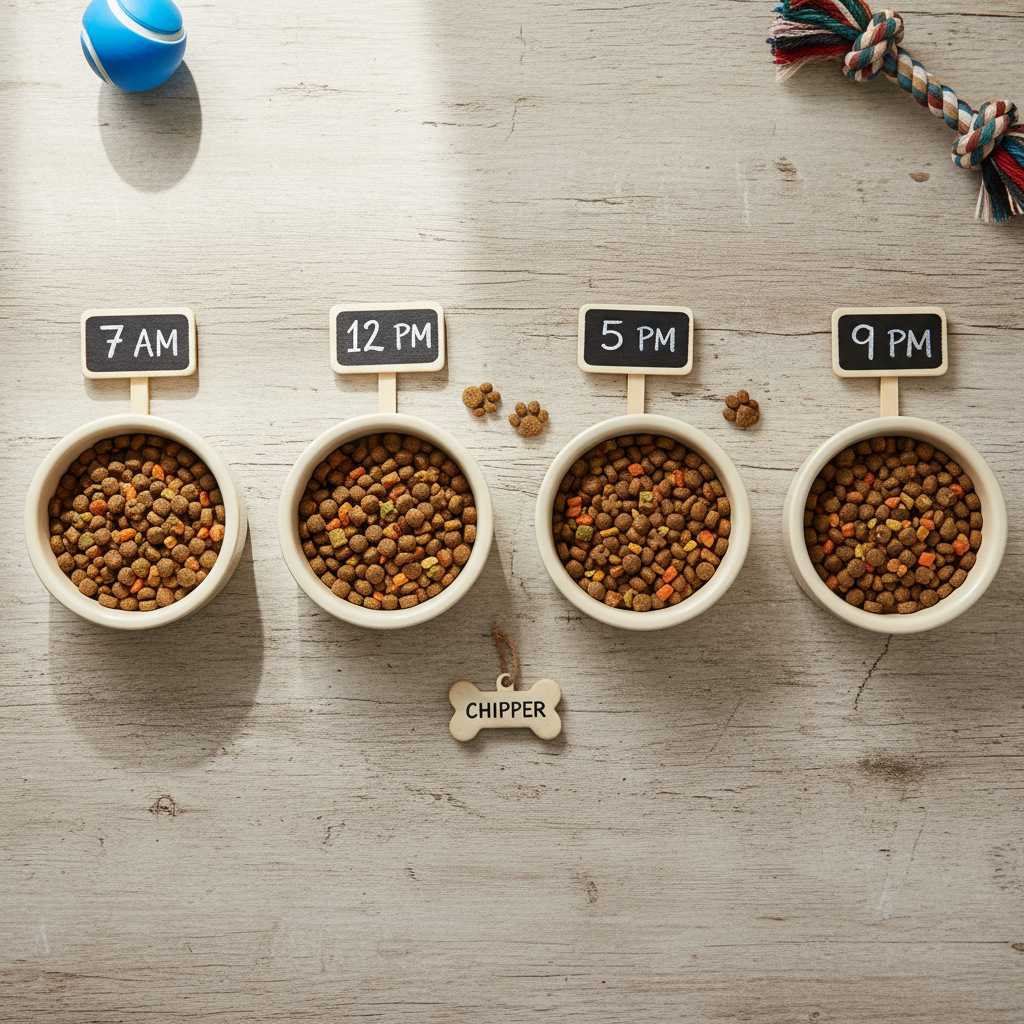
Preventing hypoglycemia isn’t about finding one ‘magic’ food. It’s about implementing a rigid, consistent feeding strategy that maintains stable blood sugar throughout the day. For a Chihuahua, when you feed is just as critical as what you feed.
The Power of Frequent, Calorie-Dense Meals
The single biggest mistake toy breed owners make is feeding only once or twice a day. This creates long fasting periods where blood sugar can plummet. The non-negotiable solution is to break their daily caloric intake into smaller, more frequent portions.
- Puppies (under 6 months): Should have food available at all times (free-feeding) or be fed 4-6 small meals per day. Their systems are the most fragile.
- Adults (over 6 months): Should be fed a minimum of 3-4 small meals per day. A schedule of breakfast, lunch, dinner, and a small bedtime snack is ideal. The bedtime snack is crucial to prevent blood sugar from dropping overnight.
Insider Secret: The goal is to never let the ‘fuel tank’ get close to empty. Think of it as constantly topping off their energy reserves. A consistent schedule, down to the hour, helps their body regulate its metabolism and anticipate the next energy intake, preventing dramatic swings.
Macronutrient Mastery for Toy Breeds
The composition of the food is the other half of the equation. You need a formula that provides sustained energy, not short, sharp spikes.
- High-Quality Protein: Protein should be the star. Look for foods with a named animal source (e.g., deboned chicken, lamb meal) as the first ingredient. Protein helps build lean muscle, which in turn helps with glucose storage and metabolism. Aim for foods with at least 25% protein on the guaranteed analysis.
- Healthy Fats: Fat is a concentrated, slow-burning energy source, perfect for toy breeds. It provides more than twice the energy of protein or carbs. Sources like chicken fat and salmon oil are excellent. Look for fat content between 15-20%.
- Complex Carbohydrates: This is where most cheap foods fail. Simple carbs like corn and sugar cause a rapid spike in blood sugar, followed by a crash. You need complex carbohydrates that break down slowly, providing a steady release of energy.
Ingredient Forensics: Hero vs. Enemy Foods
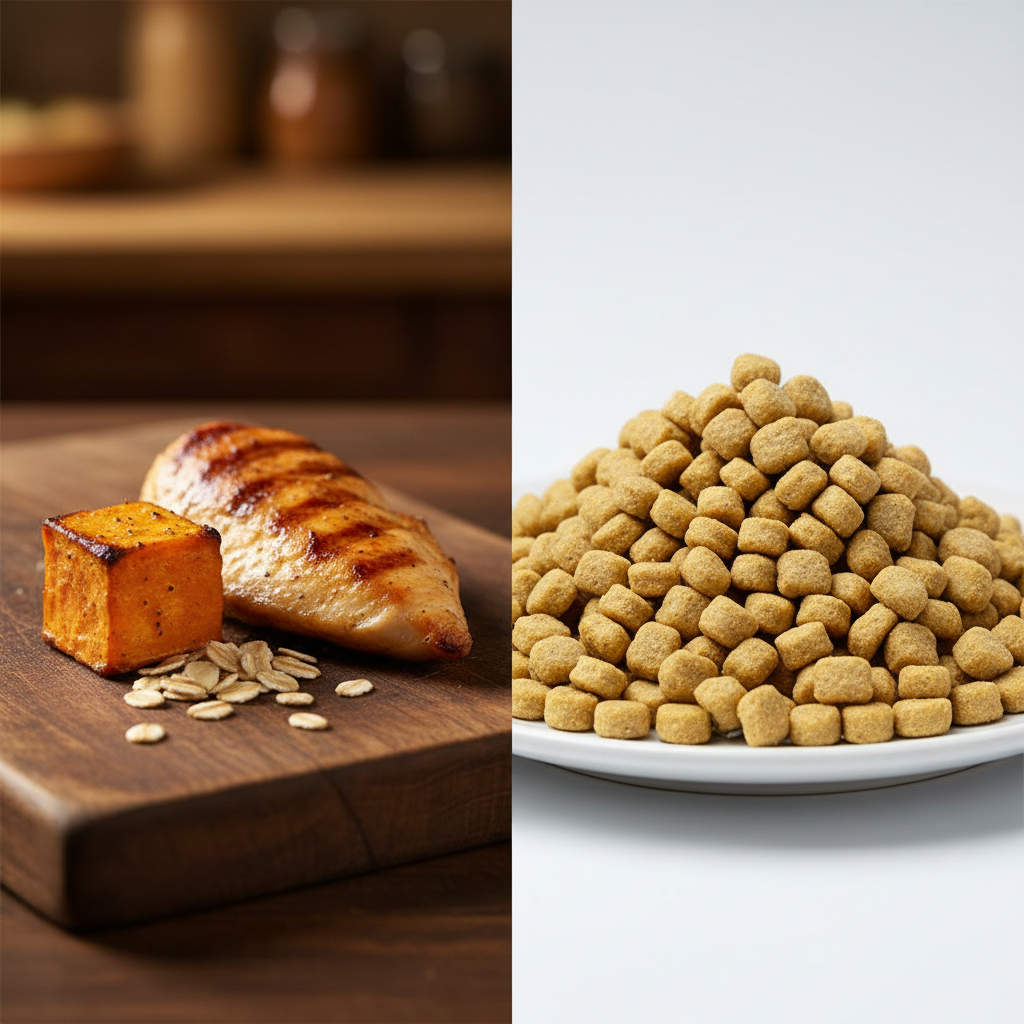
Now we get to the core of the Canine Nutrition Hacker philosophy: decoding the ingredient label. You must learn to identify the nutritional heroes that support stable blood sugar and the villainous fillers that sabotage it.
Hero Ingredients for Stable Blood Sugar
These are the ingredients you want to see high up on the list. They are your allies in the fight against hypoglycemia.
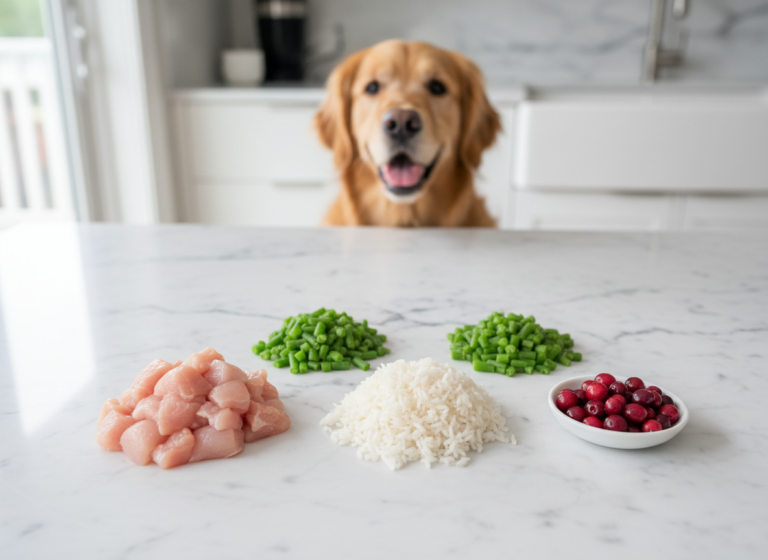
- Sweet Potatoes & Peas: Excellent sources of complex carbohydrates and fiber. They digest slowly, providing a steady stream of glucose into the bloodstream without causing a spike.
- Deboned Chicken, Turkey, or Fish: Whole, named protein sources that are highly digestible and provide the essential amino acids for muscle maintenance.
- Chicken Fat or Salmon Oil: A critical source of slow-burning energy and Omega fatty acids, which also support brain health.
- Oats & Barley: Whole grains that are low on the glycemic index, meaning they release their energy gradually.
- Blueberries & Cranberries: Provide antioxidants and fiber with minimal sugar impact.
Enemy Ingredients to Avoid at All Costs
If you see these ingredients, especially in the first five, put the bag down. They are cheap fillers that create the exact sugar spike-and-crash cycle you need to prevent.
- Corn / Corn Gluten Meal: A cheap, low-quality filler that is high on the glycemic index. It provides a quick, cheap sugar rush and very little sustained nutritional value. It is an absolute enemy for a potentially hypoglycemic dog.
- Sugar, Corn Syrup, Sucrose: Sometimes added to make low-quality food more palatable. This is the equivalent of giving your dog candy and is incredibly dangerous for their blood sugar regulation.
- Meat By-products: An unnamed, low-quality protein source. You don’t know what you’re getting, and the digestibility can be poor. Stick to named ‘meal’ (e.g., ‘chicken meal’) or whole meats.
- Artificial Colors & Preservatives (BHA, BHT): These add no nutritional value and can be detrimental to a small dog’s sensitive system.
Commercial Food Analysis: A Hacker’s Guide to Choosing Brands

Armed with knowledge of hero and enemy ingredients, you can now analyze any bag of dog food like a professional. The ‘First Five’ ingredients make up the bulk of the food, so they tell you almost everything you need to know about its quality.
The ‘First Five’ Rule for Toy Breeds
Let’s compare two hypothetical ingredient lists:
- Brand X (Poor Choice): Corn, Chicken By-Product Meal, Wheat Flour, Soybean Meal, Animal Fat…
- Brand Y (Good Choice): Deboned Chicken, Chicken Meal, Sweet Potatoes, Peas, Chicken Fat…
Brand X leads with a cheap filler (corn) and an unnamed protein source. This formula is designed for a sugar spike. Brand Y leads with two high-quality protein sources and two complex carbohydrates. This is the kind of formula that will provide sustained energy.
Brand Comparison for Hypoglycemia Prevention
While I don’t endorse specific brands, here is a framework for how to evaluate them. Look for foods specifically formulated for ‘Toy’ or ‘Small Breeds’ as they are typically more calorie-dense and have smaller kibble size.
| Brand Profile | Typical First 5 Ingredients | Grain Status | Verdict for Hypoglycemia |
|---|---|---|---|
| Premium Small Breed Formula | Deboned Chicken, Chicken Meal, Oats, Barley, Chicken Fat | Grain-Inclusive (Healthy Grains) | Excellent. Uses high-quality protein and low-glycemic, complex carbs for sustained energy release. |
| Grain-Free Toy Breed Formula | Deboned Turkey, Turkey Meal, Sweet Potatoes, Peas, Salmon Oil | Grain-Free | Very Good. An excellent choice, especially for dogs with grain sensitivities. Relies on complex carbs like sweet potatoes. |
| Standard Supermarket Brand | Corn, Meat and Bone Meal, Soybean Meal, Animal Fat, Wheat Middlings | Grain-Inclusive (Low-Quality Grains) | DANGEROUS. This formula is built on cheap, high-glycemic fillers that will cause blood sugar spikes and subsequent crashes. AVOID. |
Emergency Protocol: What to Do During a Hypoglycemic Episode
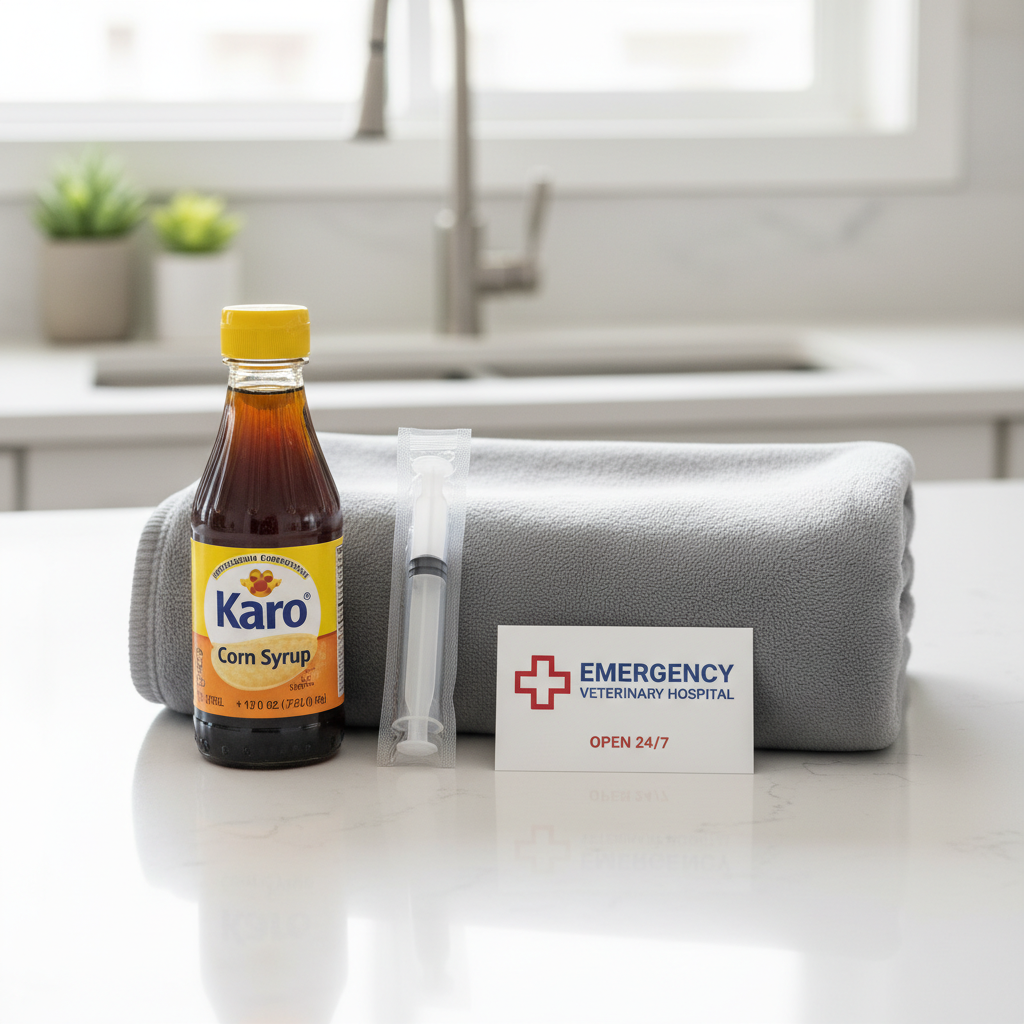
Even with the best diet, an episode can happen, especially in young puppies or after unexpected stress or illness. Your calm, swift action is paramount. You must have an emergency plan and supplies on hand.
Your Hypoglycemia Emergency Kit
Keep these items together where you can grab them instantly:
- A high-sugar source: Clear corn syrup (like Karo), honey, or special veterinary glucose paste.
- A needleless syringe or dropper for easy administration.
- Your veterinarian’s emergency phone number.
- A small can of high-protein wet food or a meat-based baby food.
Hacker Tip: Never use sugar-free syrups containing Xylitol. Xylitol is extremely toxic to dogs and will make the situation catastrophically worse. Read the label carefully.
Step-by-Step Emergency Response
If you observe the symptoms of hypoglycemia, do not wait. Follow these steps precisely:
- Administer Sugar Immediately: The priority is to get glucose into their system. Rub a small amount of corn syrup or honey directly onto their gums. The membranes in the mouth will absorb the sugar directly into the bloodstream. Aim for about 1cc (or 1/4 teaspoon) for a 5-pound dog. If your dog is unconscious, do not pour liquid into their mouth as they could choke. Focus only on rubbing it on the gums.
- Stay Calm and Keep Them Warm: Wrap your dog in a blanket to help them maintain body temperature, which can drop during an episode. Speak to them in a calm, reassuring voice.
- Offer Food (Once Alert): Once your dog becomes more alert and responsive (usually within 5-15 minutes), offer a small meal of their regular food or a high-protein wet food to provide more sustained energy and prevent another crash.
- CONTACT YOUR VETERINARIAN: This step is not optional. Even if your dog seems to have recovered completely, you must contact your vet. A hypoglycemic episode can be a sign of an underlying health issue, and your vet needs to determine the cause and ensure there are no lasting effects. They may want you to bring your dog in for an examination.
Conclusion
Protecting your Chihuahua from hypoglycemia is a daily commitment, not a one-time fix. It requires vigilance and a refusal to compromise on nutritional quality. By mastering the principles of frequent feeding, analyzing ingredient labels like a forensic scientist, and distinguishing nutritional heroes from empty fillers, you are building a powerful shield for your companion. You are no longer just a pet owner; you are your dog’s primary health advocate. This knowledge empowers you to bypass deceptive marketing and make choices that directly contribute to a long, vibrant, and healthy life for your tiny friend, free from the shadow of hypoglycemia.