
Combatting Sarcopenia: Diet Changes for Senior Dog Muscle Wasting
That subtle weakness you’re seeing in your senior dog’s back legs isn’t just ‘old age.’ It has a name: sarcopenia. It’s the progressive, age-related loss of skeletal muscle mass and strength, and it’s one of the most common thieves of mobility and vitality in our aging companions. While many owners resign themselves to this decline, I’m here to tell you that resignation is not a strategy. I’m The Canine Nutrition Hacker, and I don’t deal in fluff; I deal in forensic analysis of what goes into your dog’s bowl. The commercial pet food industry often pushes ‘senior’ formulas loaded with cheap fillers and inadequate protein that can actually accelerate muscle wasting. This guide is your intervention. We will dissect the science, expose the enemy ingredients, and arm you with a nutritional arsenal to fight back against sarcopenia and help your dog maintain its strength and dignity for years to come.
MEDICAL DISCLAIMER: I am a canine nutrition analyst, not a veterinarian. The information in this article is for educational purposes only. Sarcopenia can also be linked to underlying medical conditions. Always consult with your veterinarian before making any significant changes to your dog’s diet or supplement regimen, especially for a senior pet or one with pre-existing health issues like kidney disease.
The Enemy Unmasked: What Sarcopenia Truly Is and Why It Happens
Before you can fight an enemy, you must understand it. Sarcopenia is more than just muscle loss; it’s a complex metabolic shift. As dogs age, their ability to synthesize protein—the very process of building and repairing muscle tissue—becomes less efficient. An 8-year-old dog might need significantly more high-quality protein than a 2-year-old just to maintain the same muscle mass. This is a critical fact that most standard feeding guidelines on dog food bags completely ignore.
Several factors conspire to accelerate this process:
- Anabolic Resistance: This is a key concept. It means the muscle cells of older dogs become ‘resistant’ to the muscle-building signals from protein intake. They need a stronger signal—meaning higher concentrations of specific amino acids—to kickstart muscle synthesis.
- Chronic Inflammation: Aging is associated with a state of low-grade, chronic inflammation often called ‘inflammaging.’ This constant inflammatory state promotes muscle breakdown (catabolism).
- Hormonal Changes: Decreases in hormones like insulin-like growth factor (IGF-1) and testosterone can contribute to the shift from muscle building to muscle breakdown.
- Reduced Activity: Often due to arthritis or other age-related pains, a decrease in physical activity means muscles aren’t being stimulated to grow, creating a vicious cycle of weakness leading to more inactivity.
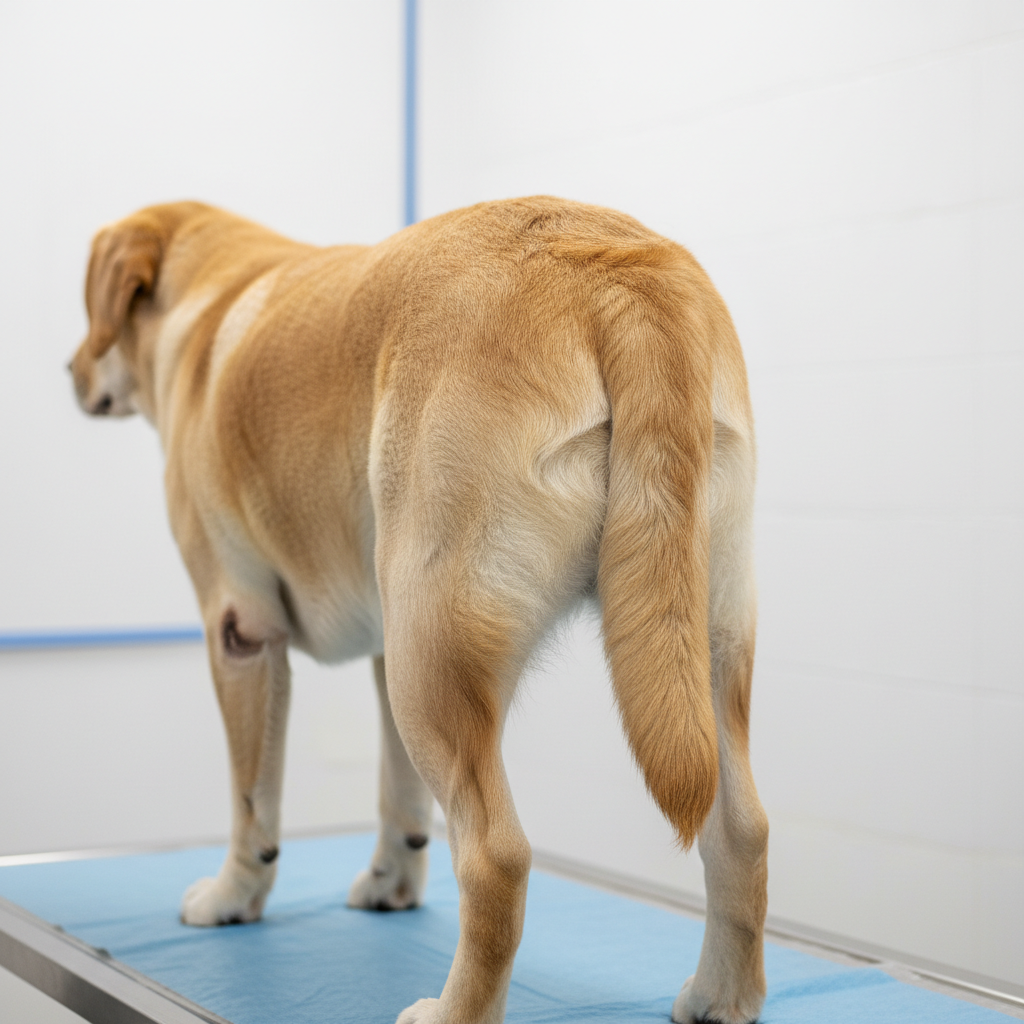
How can you spot it? Don’t just look at the scale. Look for a ‘pinched’ appearance over the hips, a prominent spine where muscle once was, and a noticeable narrowing of the thighs. You might see increased difficulty getting up, reluctance to jump onto furniture, or a shorter, less stable gait. This is not a cosmetic issue; it’s a direct threat to your dog’s mobility and independence.
The Protein Mandate: Exposing Fillers and Prioritizing Bioavailability
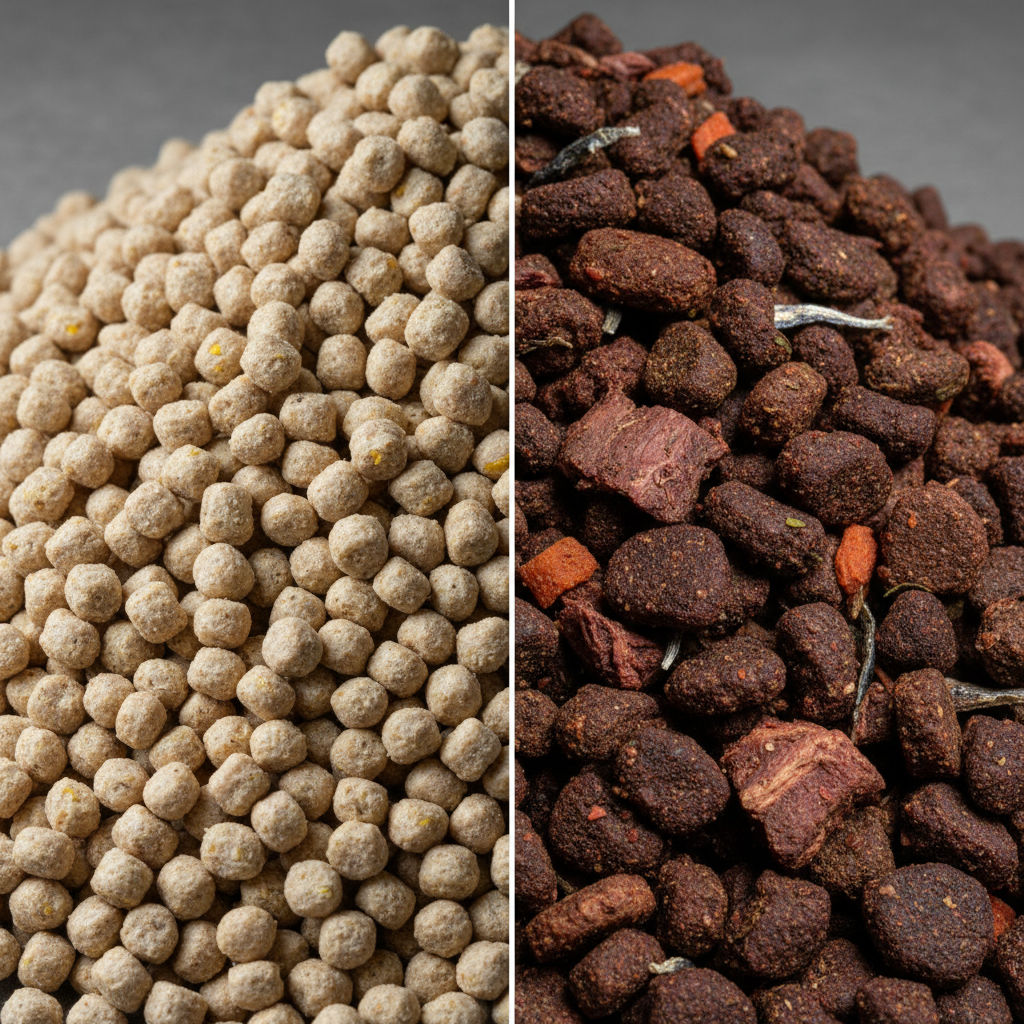
This is where we go to war. The protein percentage on a dog food bag is one of the most misleading numbers in the entire industry. It tells you nothing about the protein’s quality or its bioavailability—the amount your dog can actually absorb and use to build muscle. A bag boasting 25% protein derived from corn gluten meal and pea protein is nutritionally inferior to one with 25% protein from chicken and fish.
Enemy Ingredients: The Protein Imposters
These are the fillers used to artificially inflate protein percentages while costing the manufacturer pennies. They provide poor amino acid profiles and are difficult for a dog’s digestive system to utilize effectively. Your mission is to identify and avoid them.
- Corn Gluten Meal: A cheap byproduct of corn processing. It’s technically high in protein, but it’s an incomplete protein, lacking the essential amino acids your dog needs for muscle synthesis.
- Pea Protein & Legumes: While whole peas are fine, concentrated pea protein, lentils, and chickpeas are often used in massive quantities in ‘grain-free’ foods as a primary protein source. They lack the full spectrum of amino acids found in meat and have been linked in some studies to health concerns.
- Soybean Meal: Another cheap plant-based protein that is less digestible and has a weaker amino acid profile than animal sources.
Hero Ingredients: The Muscle-Building Elite
Focus your search on foods where the first five ingredients are dominated by high-quality, named animal sources. These are packed with the bioavailable protein your senior dog desperately needs.
- Named Meats: Look for ‘Deboned Chicken,’ ‘Lamb,’ ‘Beef,’ not vague terms like ‘Meat Meal’ or ‘Animal By-Product Meal.’
- Fish: Especially fatty fish like salmon and mackerel. They provide not only excellent protein but also crucial anti-inflammatory Omega-3 fatty acids.
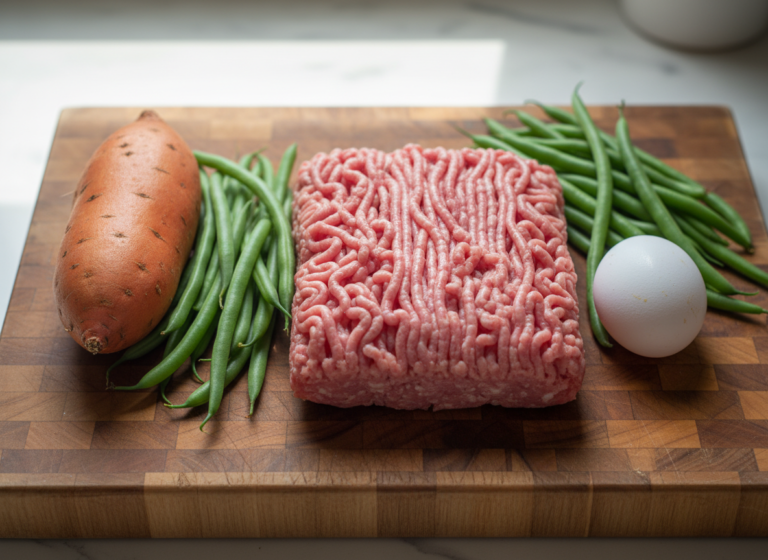
- Eggs: Often called the ‘perfect protein,’ eggs contain all essential amino acids in a highly digestible form.
- Organ Meats: Liver, heart, and kidney are nutrient-dense powerhouses.
Hacker Tip: Ignore the marketing on the front of the bag. Turn it over and read the first five ingredients. If you see more plant proteins and grains than named animal proteins in that top five, put the bag down. That food is not designed for your sarcopenic dog.
The Amino Acid Arsenal: Leucine as the Master Switch

Simply providing more protein isn’t enough to overcome the ‘anabolic resistance’ we discussed earlier. You need to provide the right kind of protein, rich in specific amino acids that act as powerful signaling molecules. The undisputed king of these is Leucine.
Think of Leucine as the ignition key for muscle protein synthesis (MPS). When sufficient Leucine is present after a meal, it flips the switch in the muscle cells, telling them to start building and repairing tissue. Diets low in Leucine will fail to trigger this response, no matter how much total protein they contain. This is why plant-based proteins, which are typically lower in Leucine, are a poor choice for senior dogs fighting muscle loss.
Maximizing Leucine Intake Through Whole Foods:
Your goal is to ensure every meal is rich in this critical amino acid. Fortunately, the best sources of Leucine are also our ‘Hero Ingredients’.
- Chicken & Turkey: Excellent sources of lean, Leucine-rich protein.
- Red Meats: Beef and lamb are packed with Leucine.
- Fish: Salmon and tuna are great choices.
- Eggs: A single egg is a powerhouse of Leucine.
- Dairy: If your dog tolerates it, plain Greek yogurt or cottage cheese can be a fantastic Leucine-rich meal topper.
Beyond Leucine: Other Key Players
While Leucine is the star, other compounds play crucial supporting roles:
- L-Carnitine: This amino acid-like compound is essential for transporting fatty acids into the mitochondria (the ‘powerhouses’ of the cell) to be burned for energy. This is vital for muscle function and can help preserve muscle mass by ensuring cells are properly fueled. Red meat is a primary source.
- Creatine: Well-known in human athletics, creatine helps recycle ATP, the primary energy currency of the cell. This supports short bursts of strength, like getting up from a lying position. It’s naturally found in meat and fish.
By focusing on a diet built around Leucine-rich animal proteins, you are providing the precise biological signals your senior dog’s body needs to fight back against anabolic resistance and rebuild wasting muscle.
Strategic Supplementation: Your Non-Negotiable Support Crew
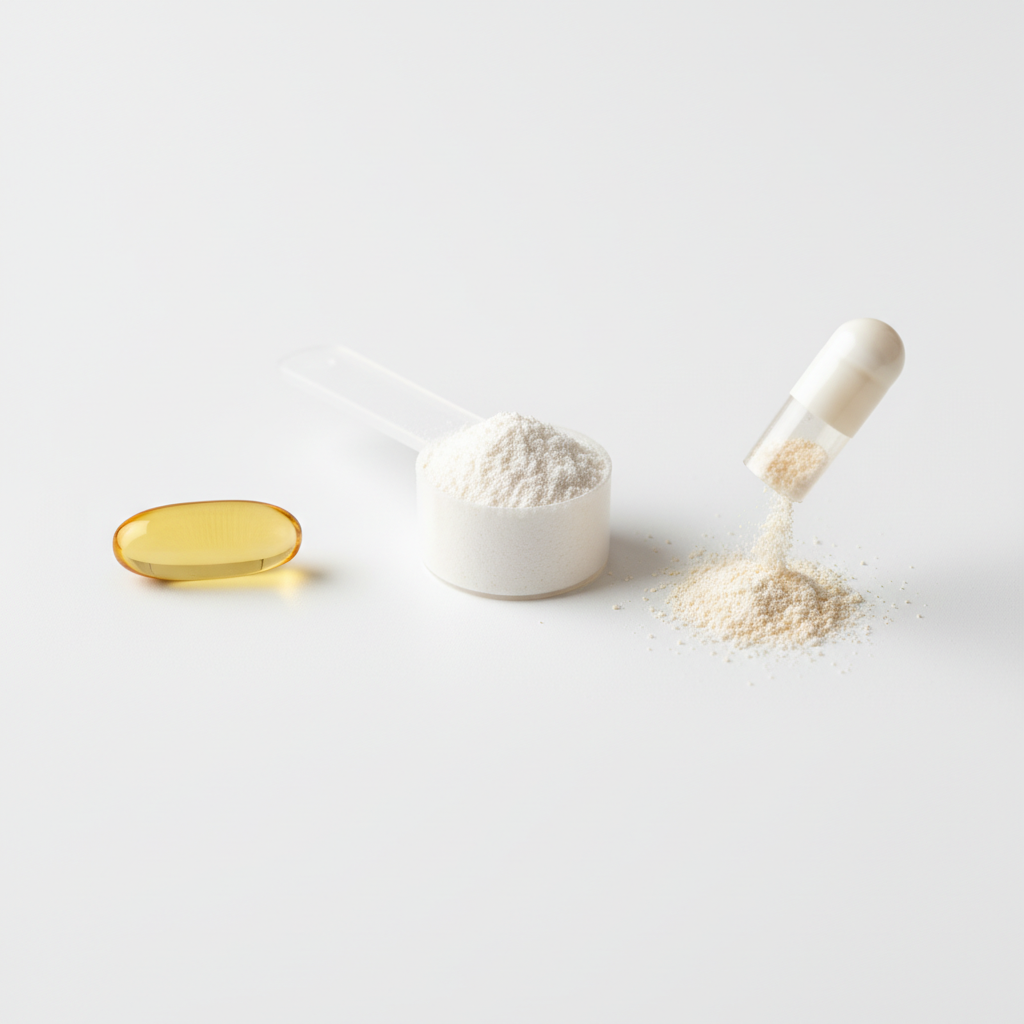
Diet is the foundation, but targeted supplements can provide a significant therapeutic advantage in the fight against sarcopenia. Do not fall for ‘all-in-one’ senior multivitamins, which are often underdosed. Instead, focus on a few key supplements with proven benefits. Remember to introduce any new supplement slowly and one at a time.
MEDICAL DISCLAIMER: Again, you must consult your veterinarian before adding these to your dog’s regimen. Dosages are critical and depend on your dog’s weight, health status, and current diet.
The Core Three Supplements for Sarcopenia:
- Omega-3 Fatty Acids (EPA & DHA): This is non-negotiable. The powerful anti-inflammatory properties of EPA and DHA from a high-quality fish oil (not flaxseed oil) directly combat the ‘inflammaging’ that drives muscle breakdown. They also support joint health, cognitive function, and skin health. Look for a third-party tested brand that provides a clear dosage of combined EPA and DHA.
- HMB (β-hydroxy β-methylbutyrate): HMB is a natural metabolite of the amino acid Leucine. Its primary benefit is that it’s highly effective at preventing muscle protein breakdown (anti-catabolic). While Leucine helps build muscle, HMB helps protect the muscle that’s already there. It’s a powerful one-two punch for preserving lean body mass. This is a specific supplement you will likely need to source from a veterinary or specialty brand.
- A High-Quality Probiotic: A healthy gut is essential for nutrient absorption. As dogs age, their digestive efficiency can decline. A potent, multi-strain probiotic ensures that your dog is actually absorbing the high-quality protein and nutrients from the food you’re investing in. Better absorption means more building blocks get to the muscles.
Hacker Tip: When buying fish oil, look for products in dark, opaque bottles, as light can degrade the fatty acids. Squeeze a capsule; if it has a strong ‘rotten fish’ smell, it’s likely rancid and should be discarded. It should smell clean, like the ocean.
Conclusion
Combatting sarcopenia is not a passive process; it is an active strategy that you, as your dog’s guardian, can and must lead from the food bowl. The era of accepting muscle wasting as an inevitable part of aging is over. By becoming a nutritional hacker, you can shift the balance from muscle breakdown to muscle maintenance and even regrowth.
The blueprint is clear: Prioritize high-quality, bioavailable animal protein. Scrutinize every label for filler ingredients and protein imposters. Ensure each meal is rich in the master amino acid, Leucine. Support the diet with a targeted, non-negotiable supplement crew of Omega-3s and HMB. Finally, manage calories to maintain a lean body condition that doesn’t strain weakening frames.
This requires more effort than simply buying the bag with a picture of a grey-muzzled dog on it. It requires you to be a detective, an advocate, and your dog’s personal nutritionist. The reward for this effort is not just a physically stronger dog, but a dog that can rise more easily, walk more confidently, and enjoy a higher quality of life in its golden years. Stop guessing. Start analyzing. Become the nutrition hacker your senior dog deserves.