DIY Modern Mid-Century Elevated Dog Bowl Stand Plans

DIY Modern Mid-Century Elevated Dog Bowl Stand Plans

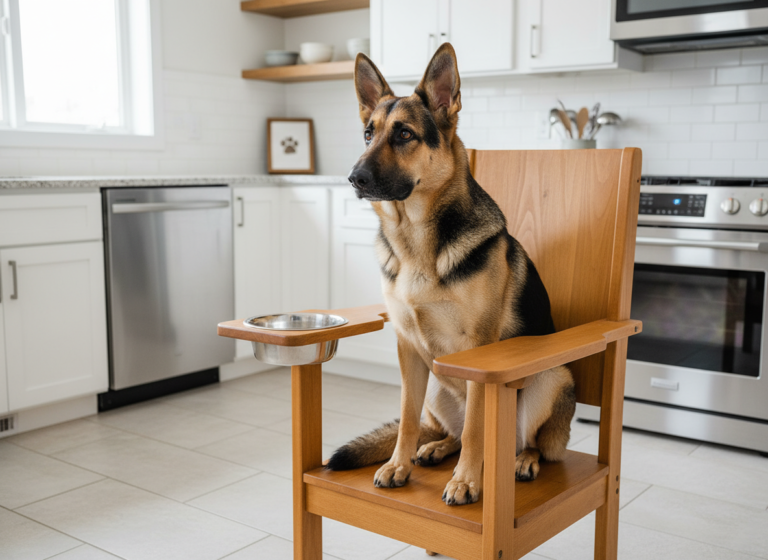
Walk into any boutique pet store, and you’ll be confronted with a wall of ‘designer’ elevated dog feeders with price tags that defy logic. You’re paying a premium for mediocre materials, questionable stability, and a one-size-fits-all design that often doesn’t fit your dog. The Canine Hacker’s philosophy is simple: why pay more for less? An elevated feeder isn’t just an accessory; it’s a tool for your dog’s health, aiding in digestion and reducing strain on their neck and joints, especially for large breeds and senior dogs.

This is not a simple craft project. This is a guide to building a piece of functional, high-end furniture that will outlast anything you can buy off the shelf. We’re cutting through the noise and providing you with the exact blueprint to create a durable, beautiful, and ergonomically perfect Mid-Century Modern dog bowl stand. It’s time to take control, fire up your tools, and build something superior for a fraction of the cost.

The Blueprint: Deconstructing the Cost vs. Value
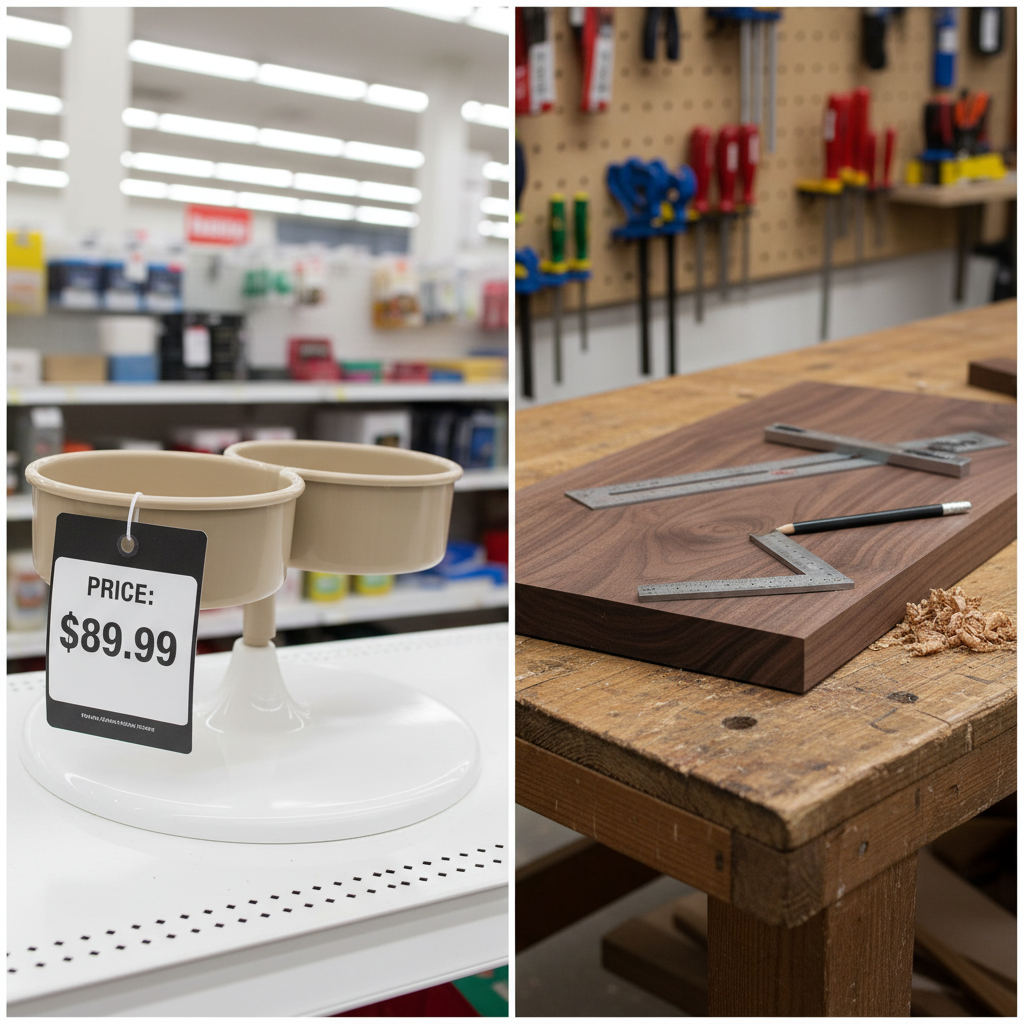
Before we make a single cut, let’s analyze the core issue: the massive markup on pet furniture. Manufacturers prey on your desire to provide the best for your pet. They use cheap particle board with a thin veneer, weak joints, and non-durable finishes, then slap a ‘modern’ label on it and charge a fortune. Building it yourself isn’t just about saving money—it’s about upgrading the quality exponentially. You choose the solid hardwood, you ensure the joints are rock-solid, and you apply a finish that is both beautiful and 100% pet-safe.

Cost Analysis: DIY vs. Retail

The numbers don’t lie. Let’s break down the real-world cost of building a high-quality stand versus buying a comparable ‘designer’ version online.

Component / Item Estimated DIY Cost Comparable Retail Price
Solid Hardwood (e.g., 1×10 Walnut, 4ft) $40 – $60

Pre-Flight Check: Your Arsenal of Materials & Tools
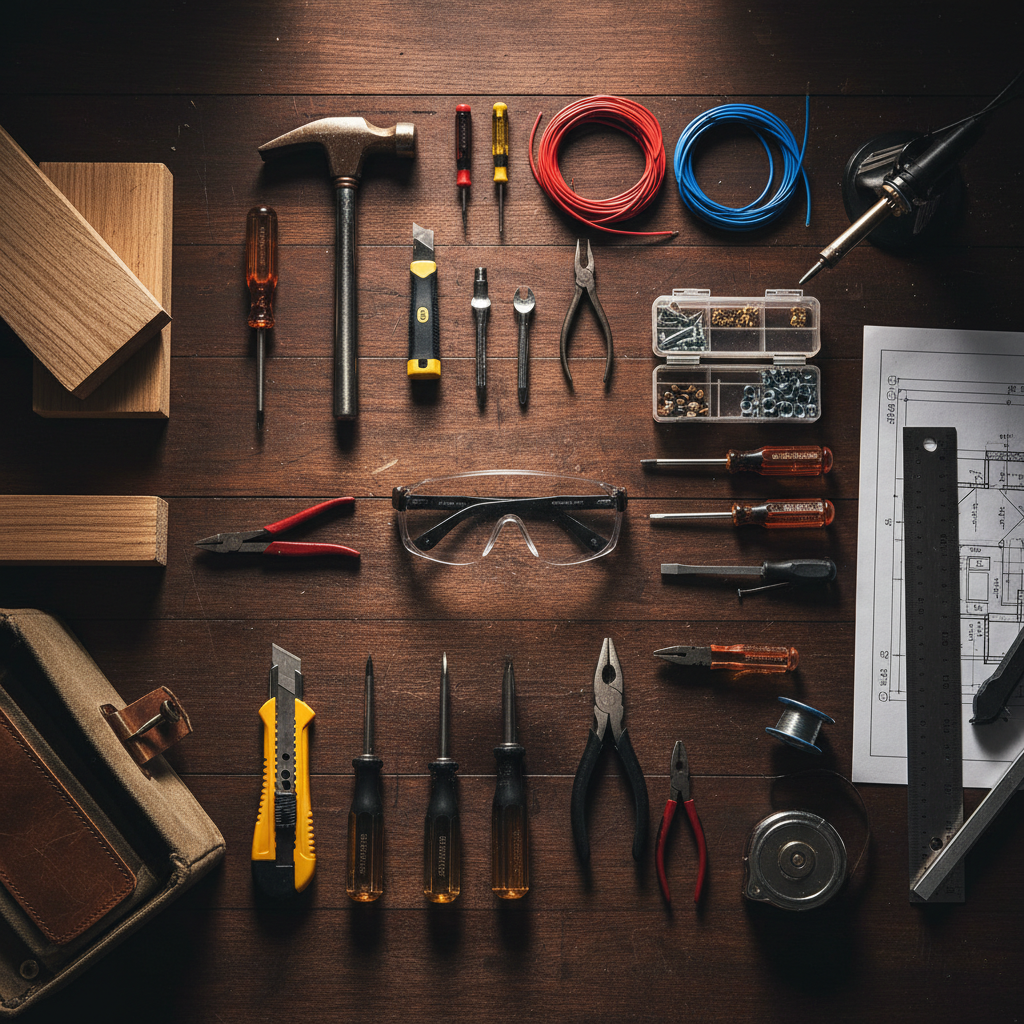
Success in any project is determined by preparation. Gather everything you need before you begin to ensure a smooth, efficient, and safe build process. Measure twice, cut once, and always prioritize safety.

Safety Disclaimer

Warning: This project involves the use of power tools that can cause serious injury. Always wear appropriate safety gear, including safety glasses and hearing protection. Read and understand the manuals for your tools before operating them. If you are not confident in your ability to use these tools safely, seek assistance from an experienced woodworker or consider a simpler design.

Materials List

  • Hardwood Board: One (1) piece of 1-inch thick hardwood (e.g., walnut, oak, maple). A 1×10 or 1×12 board, 4-6 feet long, is a good starting point.
  • Stainless Steel Dog Bowls: Two (2) bowls of the appropriate size for your dog. Crucially, measure the diameter of the bowl just under the outer lip. This is your cutout dimension.
  • Wood Glue: A high-quality wood glue like Titebond II or III.
  • Screws: #8 x 1.25-inch wood screws. Pocket hole screws are ideal for a hidden-fastener look.
  • Sandpaper: Assorted grits (e.g., 120, 180, 220).
  • Wood Finish: A 100% non-toxic, food-safe finish. Good options include pure Tung Oil, food-grade mineral oil, or a Shellac/Beeswax blend.

Tools List

  • Measuring Tape & Pencil
  • Combination Square or Speed Square
  • Drill with assorted bits
  • Jigsaw with a fine-tooth wood blade (A hole saw of the correct diameter is a faster, cleaner alternative for the bowl cutouts)
  • Miter Saw or Circular Saw (for clean, straight cuts)
  • Random Orbit Sander or Sanding Block
  • Clamps (at least 2-4)
  • Safety Glasses

Hacker Tip: Don’t own a miter saw or a hole saw? Don’t let that stop you. Most big-box hardware stores have tool rental programs for a fraction of the buying cost. It’s the ultimate hack for one-off projects. You can also often pay a small fee to have the store make your primary cuts for you.

The Build: Step-by-Step Construction Guide
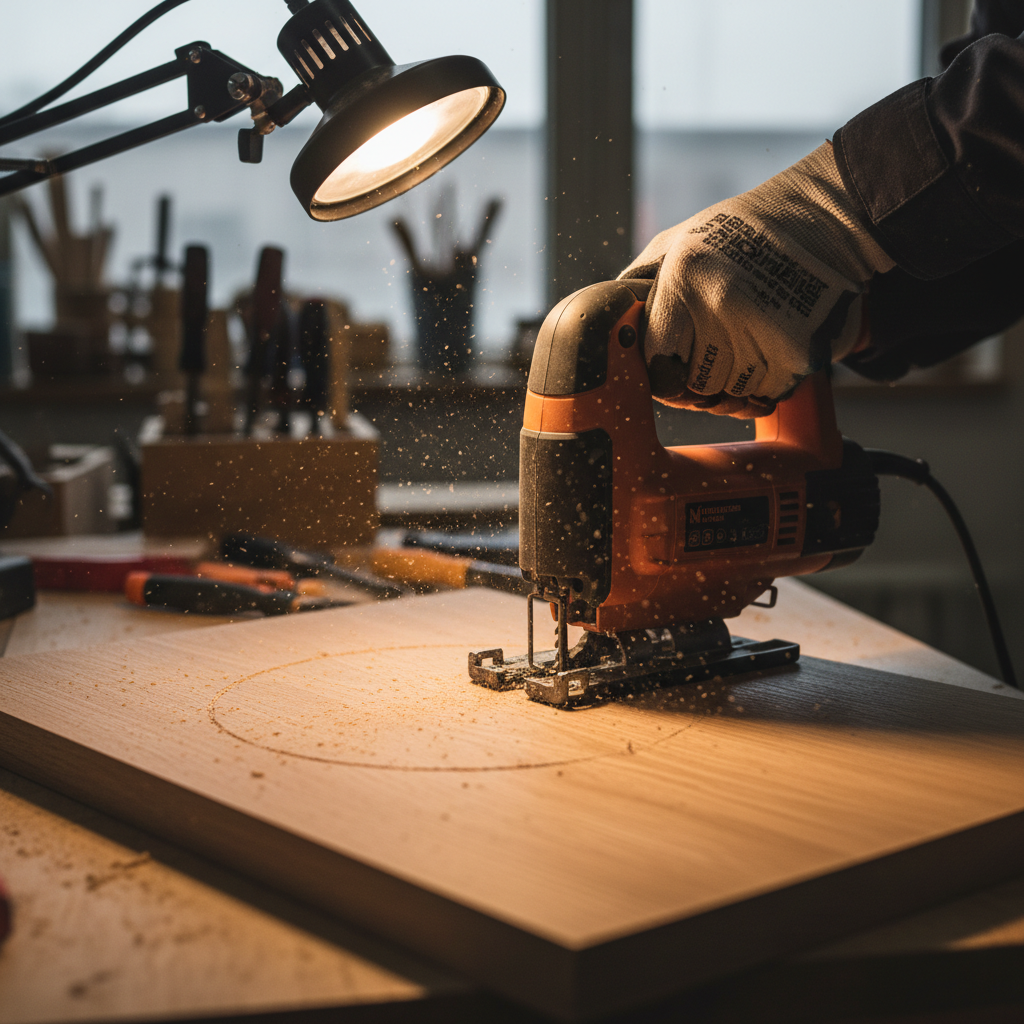
This is where the plan comes to life. Work methodically and ensure your measurements are precise. The defining feature of Mid-Century Modern design is clean lines and precise angles—attention to detail is paramount.

Step 1: Determine the Correct Height

The single most important measurement. An improperly sized stand defeats the purpose. The top of the feeder should be level with the bottom of your dog’s chest. Have your dog stand comfortably and measure from the floor to their sternum. This measurement will be the height of your stand’s top surface.

Step 2: Cut Your Pieces

  1. The Top: Determine the length of your top piece. It should be wide enough to accommodate both bowls with 3-4 inches of space between them and on either side. A length of 18-24 inches is common for medium-to-large dogs. Cut your board to this length using a miter saw or circular saw for a perfectly square cut.
  2. The Legs: You need four legs. The iconic Mid-Century look uses splayed (angled) legs. To achieve this, you’ll cut them with a 10-15 degree angle on both the top and bottom. The final vertical height of the leg, when standing, should be your measurement from Step 1, minus the thickness of your top board. For example, if your target height is 12 inches and your top is 1 inch thick, your legs need a vertical height of 11 inches. Cut your four legs to length, ensuring the angles are parallel.

Step 3: Mark and Cut the Bowl Openings

  1. Measure and mark the center points for your two bowl openings on the top piece. Ensure they are centered and evenly spaced.
  2. Use a compass to draw your circles. The diameter should be the measurement you took from just under the bowl’s lip. This allows the bowl to drop in and be supported by the lip.
  3. Carefully cut out the circles using a jigsaw. Drill a pilot hole inside the circle first to give your jigsaw blade a starting point. Move slowly to maintain a clean, round cut. If using a hole saw, this step is much faster.

Step 4: Assembly

  1. Sanding: Before assembly, sand all your cut pieces, starting with 120-grit sandpaper and moving up to 220-grit. Pay special attention to the cut edges of the bowl openings to make them perfectly smooth.
  2. Attaching the Legs: This is the most critical assembly step. Position the legs at each corner, angled outwards. The top of the leg should be flush with the edge of the top piece. For maximum strength, use a combination of wood glue and screws. For a professional look, use a pocket hole jig on the inside of the legs to hide the screws. If you don’t have one, you can countersink your screws from the top and fill the holes with wood plugs later.
  3. Clamping: After applying glue and screws, clamp the legs securely and let the glue cure for the time recommended by the manufacturer (usually several hours or overnight). Ensure the stand sits level without any wobble.

The Finishing Touches: Sealing for Safety and Durability
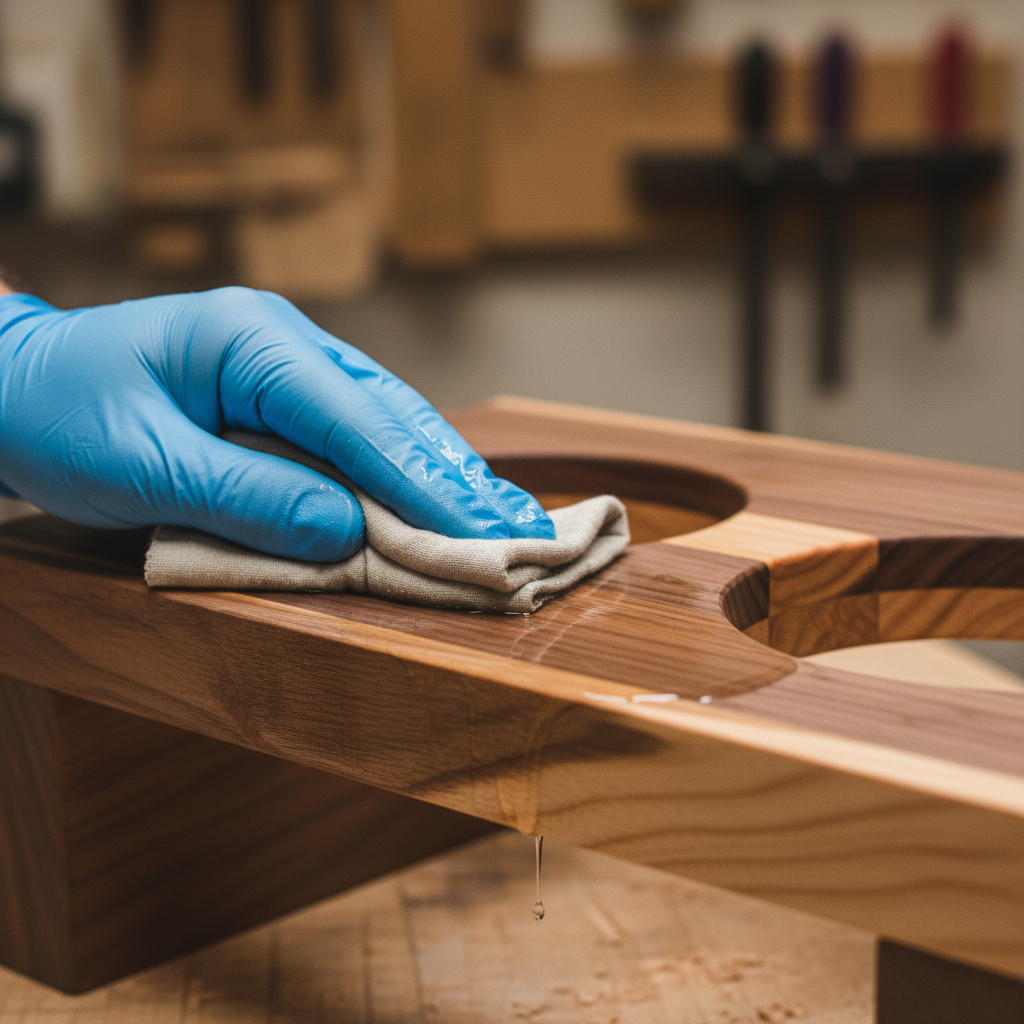
An unfinished project is an incomplete project. This final stage not only provides the aesthetic polish but also protects the wood from water damage and ensures it’s completely safe for your pet.

The Importance of a Pet-Safe Finish

Your dog will be eating and drinking from this stand. Inevitably, they will lick the surface. It is absolutely non-negotiable that you use a finish that is certified non-toxic and food-safe once cured. Do not use standard polyurethanes or varnishes, which can contain harmful chemicals. Refer to your materials list for safe options.

Application Process

  1. Final Prep: Wipe down the entire stand with a tack cloth or a slightly damp rag to remove all sanding dust.
  2. Apply the Finish: Using a clean, lint-free cloth, apply a thin, even coat of your chosen food-safe oil or finish. Work it into the wood, following the direction of the grain.
  3. Cure and Re-coat: Allow the finish to penetrate and cure as per the product’s instructions. This can range from a few hours to a full day. Most finishes will require 2-3 coats for adequate protection. Lightly sand with a very fine grit (320+) sandpaper between coats for an exceptionally smooth result.

Insider Secret: To make the stand truly waterproof where it matters most, apply an extra coat or two of finish specifically to the inside edges of the bowl cutouts. This is where water is most likely to sit. A small artist’s brush works perfectly for this detailed application, creating an invisible barrier against moisture damage.

Conclusion

There you have it. For the cost of a mediocre, mass-produced feeder, you have built a piece of bespoke furniture. You’ve created a stand that is not only aesthetically superior and built to last a lifetime, but is also perfectly tailored to your dog’s ergonomic needs. You’ve bypassed the retail markup and invested your time into a project that enhances your home and your dog’s well-being.

This is the core principle of the Canine Hacker: identify the problem, reject the inadequate solutions on the market, and take control to create something better. Now, place the bowls in the stand, fill one with food and the other with water, and watch your dog dine in the style and comfort they deserve.

Similar Posts

Leave a Reply

Your email address will not be published. Required fields are marked *