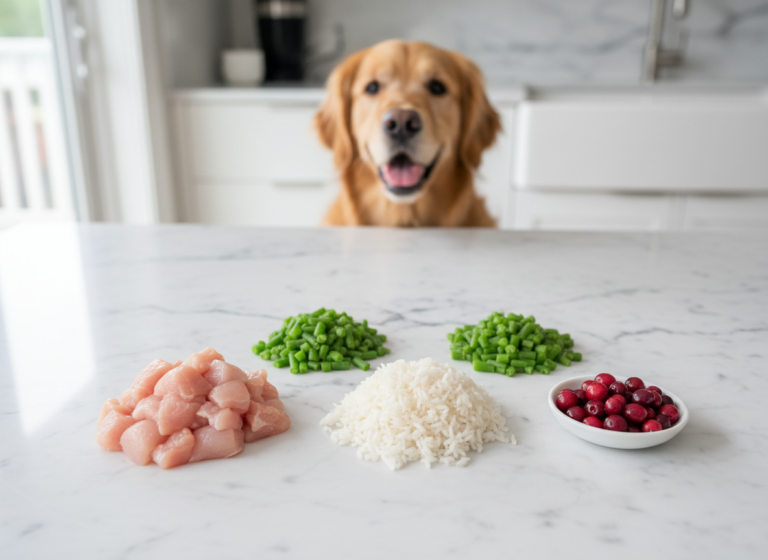

Feeding a Dog With Addison’s Disease: Recipes & Tips
Receiving an Addison’s disease diagnosis for your dog can feel overwhelming. Suddenly, you’re navigating medication schedules, vet visits, and a whole new vocabulary. But here’s the unvarnished truth: you, the owner, are the most critical part of the management team. While medication is non-negotiable, the secret weapon in your arsenal is precision nutrition. This isn’t about fancy, overpriced ‘miracle’ foods; it’s about understanding the science and hacking the system to give your dog’s body exactly what it needs to thrive.
Addison’s disease, or hypoadrenocorticism, means your dog’s adrenal glands don’t produce enough of two vital hormones: cortisol (the stress hormone) and aldosterone (which regulates electrolytes). This guide will bypass the fluff and give you the actionable, authoritative information you need to control the one major factor you can: their food bowl. We will dissect the core principles of an Addisonian diet, expose enemy ingredients, and provide a safe framework for feeding your dog with confidence.
MEDICAL DISCLAIMER: This information is for educational purposes only and is not a substitute for professional veterinary advice. Always consult with your veterinarian before making any changes to your dog’s diet or treatment plan, especially for a serious condition like Addison’s disease.
The Core Principles: Mastering the Addison’s Dietary Trifecta
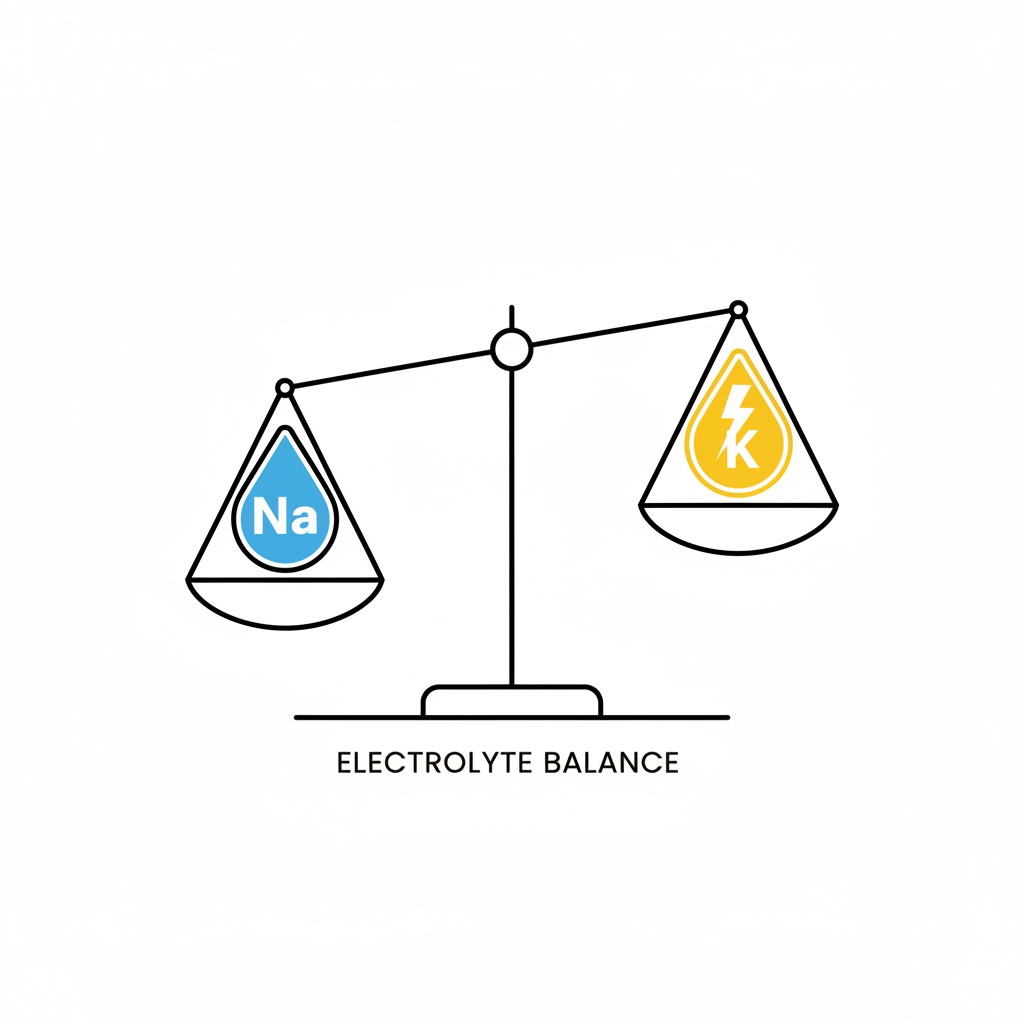
Before you even look at a food label or recipe, you must understand the ‘why.’ For an Addisonian dog, food isn’t just fuel; it’s a regulatory tool. Mastering these three principles is the foundation of successful dietary management.
Principle 1: The Mineral Mandate – Sodium & Potassium
This is the most critical component. The lack of aldosterone throws your dog’s electrolyte balance into chaos. The body can’t retain sodium effectively and holds onto too much potassium. This imbalance is what can trigger a life-threatening Addisonian crisis. Your dietary mission is to maintain a stable, predictable, and appropriate balance. This means avoiding ingredients notoriously high in potassium. Many ‘healthy’ ingredients for normal dogs, like sweet potatoes and bananas, become ‘enemy ingredients’ for an Addisonian. The goal is not to feed a ‘low potassium’ diet per se, but one with a consistent and predictable amount that works in tandem with your dog’s medication.
Principle 2: Stress-Proofing the System
Healthy dogs produce a surge of cortisol to deal with stress—whether it’s from excitement, fear, or physical exertion. An Addisonian dog can’t do this. Physiological stress, including the work of digesting a difficult or inconsistent meal, can tax their fragile system. Your goal is to provide a diet that is incredibly easy to digest and metabolize. This minimizes the internal work the body has to do, keeping their baseline stress level as low as possible. High-quality, bioavailable proteins and easily digestible carbohydrates are your allies here. Sudden diet changes are the enemy; they introduce a massive stressor to the gut and the entire system.
Principle 3: Consistency is Non-Negotiable
For a dog with Addison’s, routine is a medical necessity. This extends profoundly to their diet. They should eat the same food, in the same amount, at the same times every single day. This relentless consistency helps keep their electrolyte levels stable, their digestive system calm, and their metabolic stress low. It allows you and your vet to establish a baseline, making it easier to spot when something is ‘off’ and to know that it isn’t caused by a dietary variable.
Hacking the Label: Decoding Commercial Foods

Walking down the pet food aisle can be daunting. Brands scream marketing claims from every bag. Your job is to ignore the noise and become a forensic analyst of the ingredient panel and guaranteed analysis. Not all foods are created equal, and for your dog, the wrong choice can have serious consequences.
Enemy Ingredients to Red Flag
Your first pass when reading a label should be to scan for high-potassium ingredients. These are often found in ‘grain-free’ formulas that use legumes and starchy vegetables as binders and carbohydrate sources. Be vigilant for:
- Sweet Potatoes & Yams: Extremely high in potassium. A very common ingredient in premium foods, but a potential problem for Addison’s dogs.
- Potatoes (White/Russet): While not as high as sweet potatoes, they still carry a significant potassium load.
- Legumes: This includes lentils, peas, and chickpeas. They are a primary component of many grain-free diets and can contribute to potassium overload.
- Certain Fruits & Vegetables: Bananas, spinach, and squash should be avoided or fed in extremely limited, vet-approved quantities.
Hero Ingredients to Prioritize
You’re looking for simplicity and quality. The fewer variables, the better. Look for foods built on a foundation of:
- Named, High-Quality Animal Protein: The first ingredient should be something like ‘Deboned Chicken,’ ‘Beef,’ or ‘Lamb Meal.’ Avoid vague terms like ‘Meat and Bone Meal.’
- Easily Digestible Grains: Despite marketing trends, healthy grains are often an excellent choice for Addisonian dogs. White rice and oatmeal are low in potassium and gentle on the digestive system.
- Controlled Mineral Content: Some veterinary therapeutic diets are specifically formulated for conditions requiring electrolyte management. While not always necessary, they are an option to discuss with your vet. For over-the-counter foods, you may need to contact the manufacturer to get exact sodium and potassium values.
Insider Secret: Don’t trust the marketing on the front of the bag. The truth is in the fine print on the back. If a company isn’t transparent about the sodium and potassium levels in their food (mg/kcal), consider it a red flag. A reputable company with nothing to hide will provide this data to veterinarians and informed consumers.
The DIY Approach: A Safe Addison-Friendly Recipe Framework
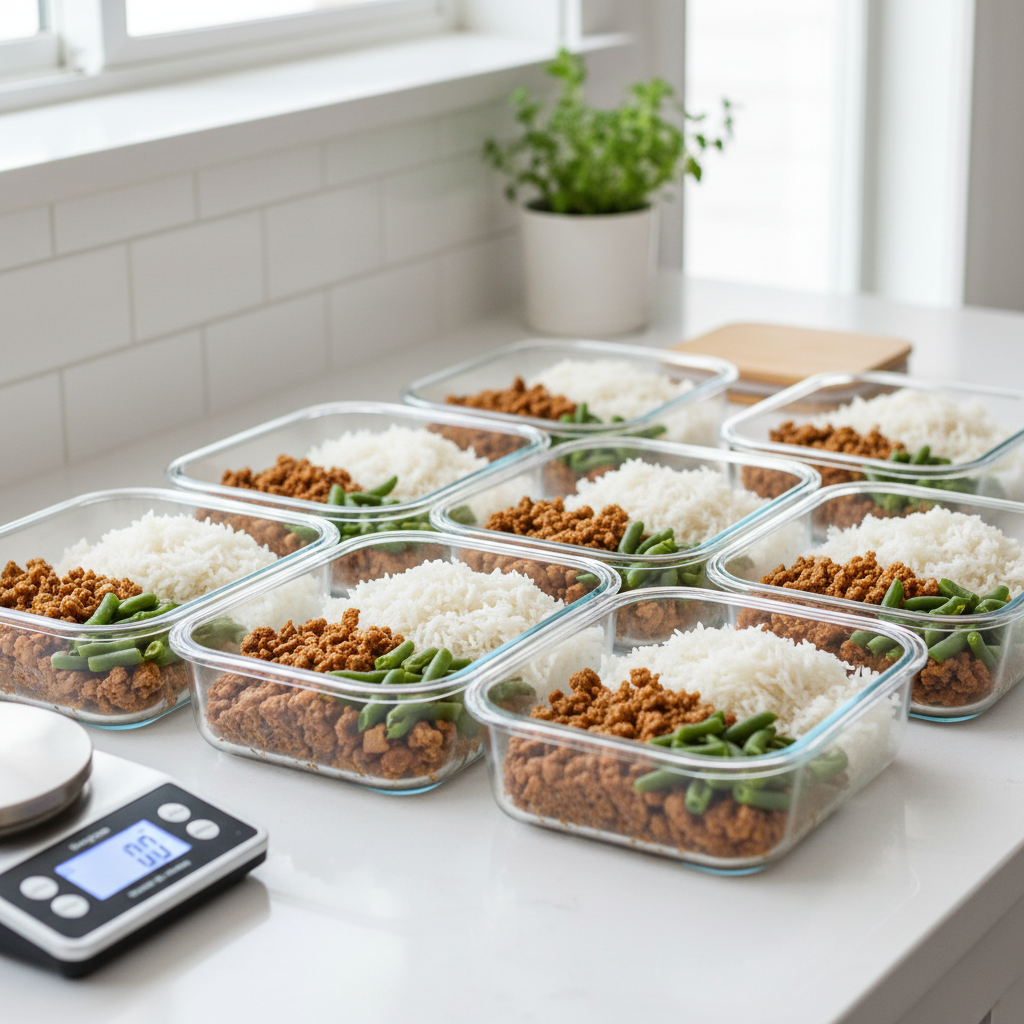
For the owner who wants ultimate control, a carefully planned homemade diet can be an excellent option. However, this path requires diligence and a strict partnership with your veterinarian. Imbalanced homemade diets can do more harm than good.
CRITICAL SAFETY DISCLAIMER
WARNING: This is a foundational recipe framework, NOT a complete and balanced diet on its own. It MUST be discussed with your veterinarian or a board-certified veterinary nutritionist. They will be essential in calculating the precise amounts for your dog’s weight and in prescribing the mandatory supplements (especially calcium) needed to make this diet safe for long-term feeding.
The Core Ratio: The 50/25/25 Blueprint
A good starting point for many dogs is a ratio based on cooked weights. This ensures you’re accounting for water loss during cooking.
- 50% High-Quality Lean Protein: This forms the base of the meal, providing essential amino acids.
- 25% Easily Digestible Carbohydrate: This provides ready energy, minimizing metabolic stress.
- 25% Low-Potassium Vegetables: These provide essential fiber and phytonutrients without disrupting electrolyte balance.
The Recipe Deconstructed
This example is for a batch. You will need to work with your vet to determine your dog’s specific daily portion size.
- Protein Source (Choose one): Cook 2 lbs of 93/7 lean ground turkey, ground chicken, or lean ground beef. Cook thoroughly by boiling or pan-frying without oil, and drain all fat.
- Carbohydrate Source: Cook 1 lb (dry weight) of white rice. White rice is deliberately chosen over brown rice for its lower phosphorus and potassium content and its easy digestibility.
- Vegetable Source (Choose one or a mix): Finely chop or purée 1 lb of low-potassium vegetables like green beans, carrots, or peeled cucumbers. Steaming them until soft makes them easier to digest.
- Essential Fats: Once the mixture is cooked and slightly cooled, add a vet-approved dose of fish oil or flaxseed oil for Omega-3 fatty acids, which help manage inflammation.
- The Non-Negotiable Supplements: This is the most important step. You MUST add a balanced calcium source (like calcium carbonate) and a vitamin/mineral supplement designed for homemade dog food. Your veterinarian will provide the exact products and dosages.
Batch Cooking & Storage Hacker Tip
Cook a week’s worth of food at once. Mix all the ingredients thoroughly in a large bowl. Use a kitchen scale to weigh out each meal into individual freezer bags or containers. This guarantees absolute consistency in every single meal. Thaw one day’s worth of food in the refrigerator overnight.
The Hidden Dangers: Navigating Treats, Chews, and Extras

You can have the most perfectly balanced diet in the world, but it can all be undone with a few thoughtless treats. For an Addisonian dog, treats aren’t just ‘extras’; they are part of the daily nutritional calculation and must be chosen with the same forensic scrutiny as their main meals.
Approved & Safe Treat List
Simplicity is safety. The best treats are single-ingredient and low in potassium and sodium.
- The Ultimate Treat: A few pieces of your dog’s regular, approved kibble. It’s balanced, safe, and something they already enjoy.
- Dehydrated Meats: Single-ingredient jerky made from 100% chicken, turkey, or beef breast (with no additives, salt, or flavorings) are excellent options.
- Safe Fruits & Veggies (in moderation): Small pieces of apple (no core or seeds), blueberries, or baby carrots are generally safe in very small quantities. Always confirm with your vet.
Treats and Chews to Ban Forever
The ‘never’ list is just as important. These items can introduce dangerous variables.
- High-Potassium Items: Any treat featuring sweet potato or banana is off-limits.
- High-Sodium Items: Avoid all cured meats like hot dogs, deli meat, or bacon. The massive, uncontrolled sodium spike is dangerous.
- Commercial ‘Mystery Meat’ Treats: Most jerky treats and dental chews from major brands are filled with glycerin, salt, and unlisted flavorings that can cause digestive upset.
- Rawhides & Bully Sticks: While not necessarily an electrolyte risk, these can cause significant digestive upset in a sensitive dog, creating unnecessary physiological stress.
Hacker Tip: Stop thinking of ‘treats’ and ‘food’ as separate categories. At the start of the day, measure out your dog’s total daily food portion. Put it in a treat pouch. Use that for ‘treats,’ training rewards, and meal times. This guarantees a perfect caloric and mineral intake for the day with zero risk of unbalancing their system. It’s the ultimate hack for dietary precision.
Conclusion
Managing a dog with Addison’s disease is a marathon, not a sprint. Your role as the Canine Nutrition Hacker is to be vigilant, consistent, and informed. By focusing on the core principles—mastering mineral balance, minimizing stress, and maintaining a rock-solid routine—you move from being a worried owner to an empowered advocate for your dog’s health. Remember, diet is your most powerful tool to support the essential work of their medication. Always maintain an open dialogue with your veterinarian, treat the ingredient label as a legal document, and never underestimate the power of a simple, consistent, and lovingly prepared meal. With this knowledge, you can provide a foundation for your dog to live a long, joyful, and thriving life.