Homemade Diet Plan for Dogs With Struvite Crystals
Receiving a diagnosis of struvite crystals for your dog can be alarming. You’re immediately flooded with questions and concerns, often pushed towards expensive prescription diets without a full understanding of the ‘why.’ As The Canine Nutrition Hacker, my job is to cut through the marketing noise and empower you with the data that matters. Managing struvite crystals isn’t about magic formulas; it’s about forensic nutrition. It’s about controlling the specific building blocks—magnesium, phosphorus, and ammonia—and manipulating urine pH to create an environment where these crystals cannot form or thrive. This guide provides a comprehensive, no-nonsense framework for crafting a homemade diet plan to combat struvite crystals. However, let’s be crystal clear: this is a mission you must undertake in partnership with your veterinarian. This is your blueprint for taking back control of your dog’s bowl and their urinary health.
Understanding the Enemy: Deconstructing Struvite Crystals

Before you can fight an enemy, you must understand it. Struvite crystals, scientifically known as magnesium ammonium phosphate, are like microscopic mineral formations in your dog’s bladder. When conditions are right, they can aggregate and form larger, painful bladder stones that may require surgical removal. Their formation is a perfect storm of specific biochemical triggers.
The Key Culprits
Three primary factors create the ideal environment for struvite formation:
- Excess Minerals: The diet is the primary source of the raw materials. Foods high in magnesium and phosphorus are the main offenders, providing the literal building blocks for the crystals.
- Alkaline Urine: A urine pH above 7.0 (alkaline) makes it chemically easier for these minerals to precipitate out of the urine and solidify into crystals. The target is a slightly acidic urine, typically between 6.0 and 6.5.
- Urinary Tract Infections (UTIs): Certain bacteria, particularly Staphylococcus and Proteus species, produce an enzyme called urease. This enzyme breaks down urea (a waste product in urine) into ammonia. Ammonia not only provides the third component for the crystal (magnesium ammonium phosphate) but also dramatically increases the urine’s pH, making it more alkaline. This is why UTIs and struvite crystals are so often linked, especially in female dogs.
A low-moisture diet, like dry kibble, further concentrates the urine, giving these minerals and bacteria more opportunity to wreak havoc. By controlling these factors through a precise, high-moisture, mineral-controlled diet, you can effectively alter your dog’s internal chemistry to make it inhospitable to struvite crystal formation.
The Architect’s Blueprint: Core Principles of a Struvite-Safe Diet
CRITICAL SAFETY WARNING: This information is for educational purposes and is not a substitute for professional veterinary advice. A homemade diet for a medical condition like struvite crystals MUST be formulated, implemented, and monitored in close partnership with your veterinarian or a board-certified veterinary nutritionist. Failure to properly balance nutrients can lead to other serious health complications.
Hero Ingredients: Your Nutritional Arsenal
To build a struvite-hostile diet, we focus on ingredients that accomplish four key goals: lower mineral content, promote acidic urine, increase water intake, and provide balanced nutrition.
- Lean, High-Quality Protein: Protein is essential, but high-phosphorus meats can be problematic. We select lean sources like boneless, skinless chicken breast, 93% lean ground turkey, or lean beef cuts. These provide necessary amino acids to maintain muscle mass without overloading the system with phosphorus.
- Low-Phosphorus Carbohydrates: Many whole grains are high in phosphorus. For a struvite diet, white rice is often a better choice than brown rice because it has a significantly lower phosphorus content. Other options include sweet potatoes or barley, but their mineral content must be carefully calculated.
- Strategic Vegetables: We need vegetables for fiber and micronutrients, but must avoid high-oxalate or high-phosphorus options. Excellent choices include green beans, carrots, and pumpkin. These add bulk and vitamins without contributing to the problem.
- Increased Moisture: This is a non-negotiable principle. A homemade diet’s primary advantage is its high water content (often 70-80%). Increased hydration dilutes the urine, making it harder for minerals to concentrate and form crystals. It also promotes more frequent urination, helping to flush the bladder regularly.
Insider Secret: The goal isn’t to eliminate magnesium and phosphorus—they are essential minerals. The goal is control. We provide the precise amount the body needs and no more, starving the crystal-forming process of its raw materials.
The Foundational Recipe: A Vet-Approved Starting Point

This recipe serves as a foundational base. The exact amounts and supplements must be confirmed by your veterinarian, who will tailor them to your dog’s specific weight, age, and condition. This recipe is formulated for an approximately 50lb dog, providing their daily caloric needs, to be split into two or three meals.
Ingredients (Daily Amount):
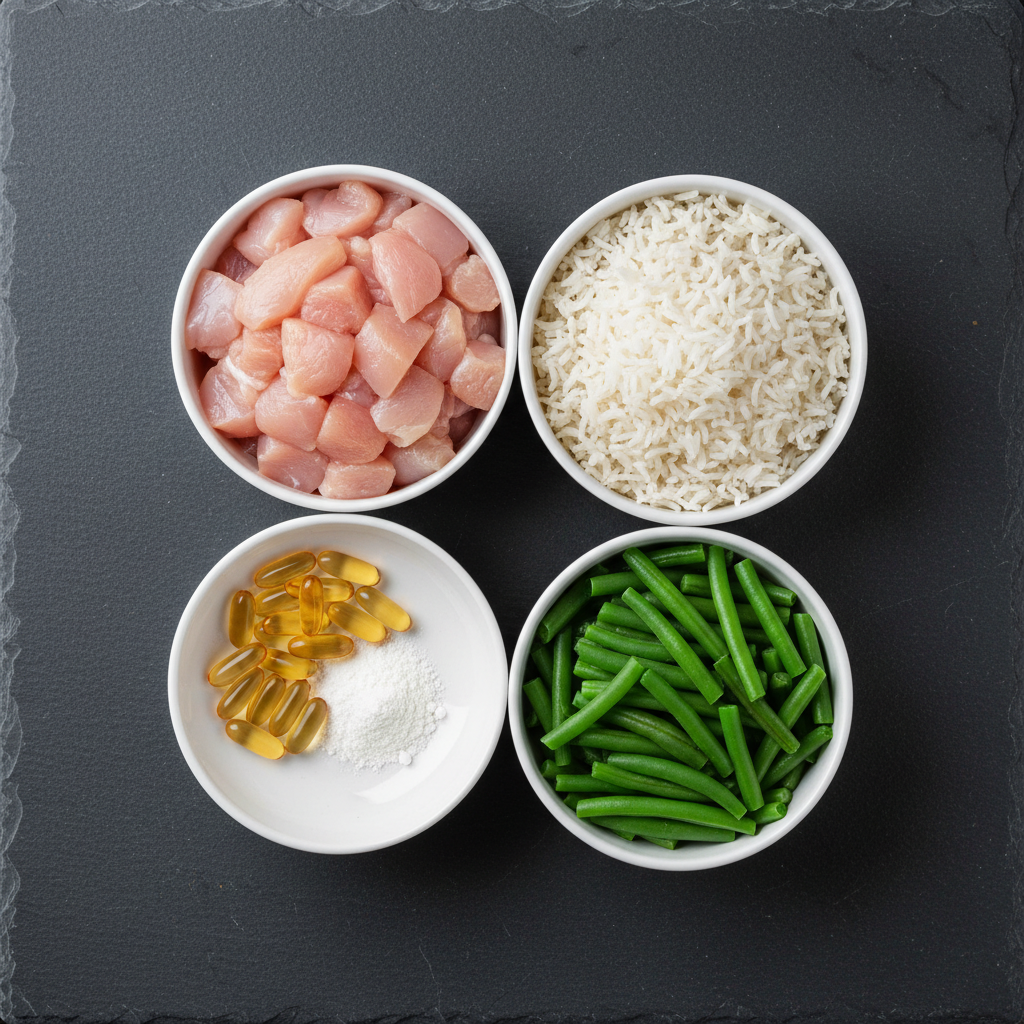
- 1 lb (454g) boneless, skinless chicken breast, boiled and diced
- 2 cups cooked long-grain white rice
- 1 cup steamed and chopped green beans
- 1 tablespoon fish oil (rich in omega-3 fatty acids)
- Required: A balanced calcium source (e.g., calcium carbonate). The exact amount MUST be prescribed by your vet to correctly balance the phosphorus from the meat.
- Required: A comprehensive vitamin/mineral supplement formulated for homemade diets (e.g., Balance IT or Hilary’s Blend), to ensure no nutritional deficiencies arise.
Instructions:
- Cook the chicken breast by boiling it in water until cooked through. Do not add salt or seasonings. Let it cool, then dice into bite-sized pieces.
- Cook the white rice according to package directions, again without salt or oil.
- Lightly steam the green beans until tender-crisp, then chop them.
- In a large bowl, combine the diced chicken, cooked rice, and chopped green beans.
- Add the fish oil and the specific amounts of calcium and vitamin/mineral supplements recommended by your veterinarian.
- Mix thoroughly until all ingredients are evenly distributed.
- Serve immediately or portion into daily meals for refrigeration or freezing.
Ingredient Analysis: Why This Works
Each component is chosen with forensic precision. The chicken provides high-quality, low-fat protein. The white rice offers digestible energy with minimal phosphorus. The green beans add fiber for digestive health without contributing problematic minerals. The fish oil provides anti-inflammatory benefits. The vet-prescribed supplements are the most critical part, turning this collection of ingredients into a complete and balanced therapeutic meal.
Hacker Economics: DIY Cost vs. Prescription Diets
One of the biggest hurdles for owners is the cost of veterinary prescription diets. While effective, they carry a premium price tag. Let’s break down the real cost of a homemade diet for a 50lb dog versus a popular therapeutic dry food diet. Prices are approximate and will vary by location and retailer.
| Component | DIY Weekly Cost (Approx.) | Prescription Diet Weekly Cost (Approx.) |
|---|---|---|
| Protein (7 lbs Chicken Breast) | $21.00 (@ $3.00/lb) | $35.00 (Based on a 27.5 lb bag lasting ~4 weeks at $100/bag) |
| Carbohydrate (14 cups rice) | $2.50 | |
| Vegetables (7 cups green beans) | $4.00 | |
| Supplements (Fish Oil, etc.) | $5.00 | |
| Total Weekly Cost | $32.50 | $35.00 |
The analysis shows that the costs are surprisingly comparable. However, with the homemade diet, you have 100% control over ingredient quality. You are using whole, fresh chicken breast, not a rendered meal of unknown origin. This is the true value of the DIY approach: premium nutrition for a standard price.
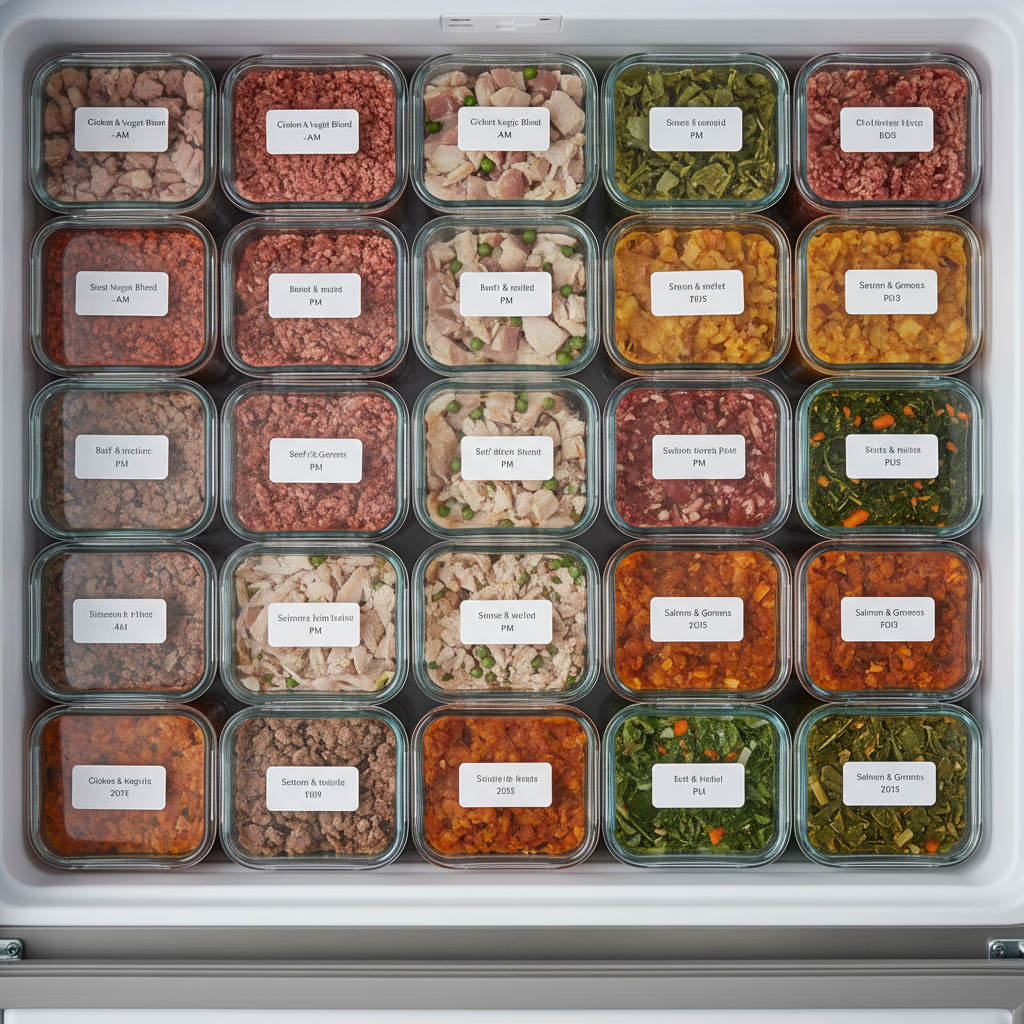
Hacker Tip: Batch and Freeze. Dedicate two hours on a Sunday. Cook a two-week supply of chicken and rice. Portion the daily amounts of the cooked meat, rice, and veggies into freezer bags or containers. Each evening, simply move one container from the freezer to the fridge to thaw for the next day. This transforms a daily chore into a bi-weekly, manageable task.
The Guardian’s Watch: Essential Monitoring and Vet Collaboration

Switching to a homemade diet, especially a therapeutic one, is not a ‘set it and forget it’ solution. You are now the active manager of your dog’s nutritional therapy, and this requires diligent monitoring and a strong partnership with your veterinarian.
Your Monitoring Checklist:
- Regular Urinalysis: This is non-negotiable. Your vet will need to perform a urinalysis initially every 2-4 weeks, then every few months once your dog is stable. This test is crucial for checking two things: the presence of any new crystals and, most importantly, the urine pH. The goal is to keep the pH consistently between 6.0 and 6.5. If it’s too high, crystals can form; if it’s too low, you risk the formation of a different type of stone (calcium oxalate).
- Water Intake: Keep a close eye on how much your dog is drinking. Encourage water consumption by providing multiple fresh water bowls and even adding extra warm water to their homemade meals to create a soupy stew. The more they drink, the more they flush their system.
- Clinical Signs: Be vigilant for any signs of a recurring UTI or bladder discomfort. This includes straining to urinate, urinating more frequently, having accidents in the house, or visible blood in the urine. Report any of these signs to your vet immediately.
Your vet may need to adjust the diet based on the urinalysis results. They might recommend adding a urinary acidifier like DL-Methionine or adjusting the protein-to-carbohydrate ratio. This collaborative process of feeding, testing, and adjusting is the key to long-term success and health for your dog.
Conclusion
Taking on a homemade diet for your dog’s struvite crystals is a significant commitment, but it is also one of the most powerful and direct ways to manage their health. By understanding the science, using the right ingredients, and maintaining a strict protocol of monitoring with your veterinarian, you move from being a worried owner to an empowered advocate. You are no longer just scooping food from a bag; you are meticulously crafting the very fuel that will keep your dog’s urinary tract healthy and crystal-free. You have the knowledge and the blueprint. Now, in partnership with your vet, you can take control and give your dog the targeted, high-quality nutrition they deserve.