

Keto for Canines: Can High-Fat Diets Help Manage Dog Seizures?
Watching your dog suffer through a seizure is a uniquely terrifying and helpless experience. For many owners of dogs with idiopathic epilepsy, the cycle of medication, side effects, and breakthrough seizures can feel like an unwinnable battle. But what if you could fundamentally change the battlefield? What if you could rewire your dog’s brain metabolism to be more resilient against seizures? This isn’t science fiction; it’s the core premise of the ketogenic diet.
Long used in human pediatric neurology to control drug-resistant epilepsy, the ketogenic diet—a high-fat, adequate-protein, ultra-low-carbohydrate nutritional plan—is now gaining serious traction in the veterinary world. This is not a trend. This is a therapeutic intervention backed by emerging clinical evidence. As the Canine Nutrition Hacker, my job is to cut through the noise and give you the unvarnished truth. We will dissect the science, audit the ingredients, and lay out the real-world strategy for implementing this powerful tool.
IMPORTANT MEDICAL DISCLAIMER: This article is for informational purposes only and is not a substitute for professional veterinary advice, diagnosis, or treatment. The ketogenic diet is a therapeutic medical diet that MUST be implemented under the strict supervision of a qualified veterinarian or veterinary nutritionist. Attempting this diet without professional guidance can lead to serious nutritional deficiencies and health complications.
Deconstructing the Science: How Ketosis Rewires the Brain
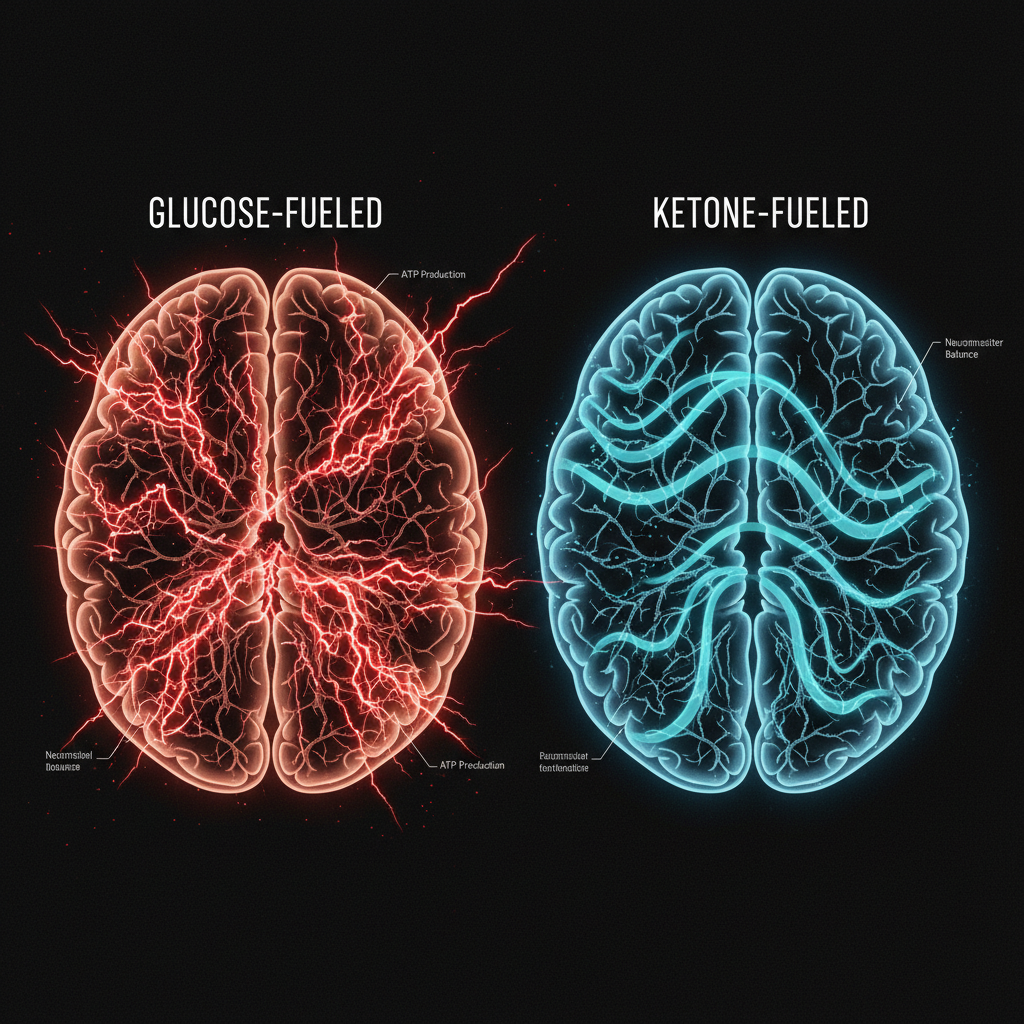
To understand why a keto diet works, you first have to understand how a standard dog food diet works—and where it fails an epileptic brain. Most commercial kibbles are high in carbohydrates (corn, rice, potatoes, peas). The body breaks these down into glucose, which becomes the primary fuel for all cells, including brain cells (neurons).
In an epileptic brain, neurons can become hyperexcitable, firing erratically and leading to a seizure. While the exact cause is complex, think of it like faulty electrical wiring that’s prone to short-circuiting, especially when flooded with an unstable energy source like glucose.
The ketogenic diet performs a radical metabolic hack. By severely restricting carbohydrates and providing the majority of calories from fat, you force the body to find an alternative fuel. It enters a state called ketosis, where the liver converts fat into molecules called ketones. These ketones, particularly beta-hydroxybutyrate (BHB), cross the blood-brain barrier and become the brain’s new primary fuel source.
Why Ketones are a Superior Brain Fuel for Seizure Control:
- Stable Energy Supply: Unlike glucose, which can cause energy spikes and crashes, ketones provide a smooth, sustained energy source, which is believed to reduce neuronal hyperexcitability.
- Neuroprotective Effects: Ketones have been shown to protect brain cells from oxidative stress and damage, effectively making them more resilient.
- Neurotransmitter Rebalancing: The diet appears to enhance the brain’s primary inhibitory neurotransmitter (GABA) while reducing the primary excitatory one (glutamate). This creates a calmer, more stable neurological environment, raising the seizure threshold.
A landmark study from the Royal Veterinary College provided compelling evidence, showing that a ketogenic diet enriched with Medium-Chain Triglycerides (MCTs) significantly reduced seizure frequency in dogs with idiopathic epilepsy. This isn’t wishful thinking; it’s a documented metabolic strategy.
The Forensic Ingredient Audit: Enemy vs. Hero Nutrients

A successful therapeutic diet is as much about what you remove as what you include. When managing seizures, you must become a forensic analyst of every ingredient label. Certain compounds can fuel the fire, while others build a powerful anti-seizure defense.
The Enemy List: Ingredients That May Fuel the Fire
- High-Glycemic Carbohydrates: This is public enemy number one. Ingredients like corn, wheat, white rice, and potato are rapidly converted to glucose. These glucose spikes can increase neuronal excitability. Any food listing these in the first five ingredients is immediately disqualified for a ketogenic plan.
- Rosemary Extract: This is an insider secret. While used as a ‘natural’ preservative in many high-quality foods, rosemary has been anecdotally and in some studies linked to lowering the seizure threshold in sensitive dogs. For an epileptic dog, the risk is not worth the reward. Avoid it.
- Artificial Additives & Preservatives: While direct links are debated, chemical preservatives like BHA, BHT, and artificial colors add an unnecessary chemical load to a sensitive system. A clean diet is a core principle.
The Hero List: Building an Anti-Seizure Arsenal
- Medium-Chain Triglycerides (MCTs): This is your primary weapon. Found in coconut oil and palm kernel oil, MCTs are unique fats that are transported directly to the liver and rapidly converted into ketones, even if small amounts of carbs are present. Pure C8 MCT oil (caprylic acid) is the most ketogenic form and a non-negotiable component of a therapeutic diet.
- Omega-3 Fatty Acids (DHA & EPA): Sourced from cold-water fish oil (salmon, sardines, mackerel), these fatty acids are potent anti-inflammatories. Since neuroinflammation is often a component of seizure disorders, high doses of DHA and EPA are critical for brain health.
- High-Quality Animal Fats: Tallow, lard, and poultry fat provide the foundational, calorie-dense energy source for the diet. The quality of the fat matters; source from grass-fed or pasture-raised animals where possible.
- Low-Glycemic Vegetables: Small amounts of leafy greens (spinach, kale), broccoli, and cauliflower can provide essential fiber and micronutrients without disrupting ketosis.
The Real-World Playbook: Commercial vs. DIY Ketogenic Diets

Once you and your veterinarian decide to proceed, you have two primary paths: a prescription therapeutic diet or a meticulously planned DIY diet. Neither is inherently superior, but they serve different needs and budgets.
Option 1: The Commercial Route – The Prescription Pad
A few companies have invested the research and development into creating clinically-tested ketogenic foods. The most well-known is Purina Pro Plan Veterinary Diets NeuroCare. Let’s put it under the microscope.
- The ‘First 5 Ingredients’ Truth: Chicken, chicken meal, corn gluten meal, medium-chain triglyceride vegetable oil, ground yellow corn. The presence of corn is immediately alarming to a nutrition hacker. However, in this specific therapeutic formulation, the overall carbohydrate load is kept low enough, and the MCT oil is included at such a high level, that the diet is clinically proven to induce ketosis and reduce seizures. This is a case where the total formulation trumps a simplistic analysis of individual ingredients.
- Cost Per Day: This is a premium, veterinary-exclusive diet. For a 50lb dog, you can expect to pay approximately $4.50 – $5.50 per day.
| Feature | Therapeutic Keto Diet (e.g., Purina NeuroCare) | Standard High-Protein, Grain-Free Diet |
|---|---|---|
| Primary Fat Source | Medium-Chain Triglyceride (MCT) Vegetable Oil | Chicken Fat, Canola Oil |
| Carbohydrate Level | Clinically Formulated for Ketosis | Moderate (From Peas, Lentils, Potatoes) |
| Key Therapeutic Additive | High concentration of MCTs | Probiotics, Glucosamine |
| Veterinary Oversight | Prescription Required | Available Over-the-Counter |
| Verdict | A scientifically validated, convenient, but expensive option for seizure management. | Unsuitable for therapeutic ketosis and may contain hidden seizure triggers. |
Option 2: The DIY Route – The Ultimate Control
For the dedicated owner, a homemade diet offers complete control over ingredient quality. This path is impossible to walk safely without guidance from a board-certified veterinary nutritionist. They will be essential for creating a balanced recipe.
Hacker Tip: The key to a successful DIY keto diet isn’t just the recipe; it’s the supplements. You MUST use a software like Animal Diet Formulator or work with a nutritionist to ensure you meet all AAFCO requirements. A balanced vitamin/mineral mix, taurine (for heart health), and choline are non-negotiable. Skipping this step is malpractice.
A basic DIY ratio (by calories) would look something like 75% fat, 20% protein, and 5% carbohydrates. This is typically achieved with fatty ground meat, organ meats, supplemental oils (MCT, fish oil), and low-carb vegetables. The cost can vary but is often comparable to or slightly less than the prescription diet, with the benefit of superior ingredient quality.
Beyond the Bowl: Monitoring, Troubleshooting, and Measuring Success

A ketogenic diet is not a passive treatment; it is an active, data-driven therapeutic process. Success requires rigorous monitoring and a willingness to troubleshoot.
Essential Monitoring Protocols
- The Seizure Journal: This is your most critical tool. Before starting the diet, you need baseline data. Meticulously log the date, time, duration, and intensity of every seizure. Continue this log religiously after starting the diet. This objective data will prove whether the intervention is working.
- Blood Ketone & Glucose Monitoring: The only way to know if your dog is truly in ketosis is to measure it. Using a blood meter calibrated for canines (e.g., Keto-Mojo or specific veterinary models) is essential. Your vet will help you determine the target therapeutic range, which is often 0.5 – 3.0 mmol/L for ketones.
- Regular Veterinary Check-ups: Your dog will need regular blood work (CBC and chemistry panels) to monitor liver enzymes, kidney function, and lipid levels to ensure the high-fat diet is being well-tolerated long-term.
Common Hurdles and Hacker Solutions
- Initial ‘Keto Flu’: Just like humans, some dogs may experience a transition period of lethargy or mild GI upset. This is normal. Ensure constant access to fresh water with added electrolytes (unflavored) to help manage this phase.
- Gastrointestinal Upset: The massive increase in fat can cause diarrhea. The solution is a very slow transition over 2-4 weeks, gradually increasing the new food while phasing out the old. A high-quality probiotic can also be invaluable.
- Palatability: Some dogs are not accustomed to such a rich diet. Adding a splash of warm bone broth (with no onions or garlic) or a spoonful of pureed pumpkin (in very small, vet-approved amounts) can entice picky eaters.
By treating this process with the seriousness of administering a prescription medication, you maximize the chances of success and ensure your dog’s overall health and safety.
Conclusion
The ketogenic diet represents a paradigm shift in managing canine epilepsy, moving from solely symptom management with pharmaceuticals to a foundational, metabolic intervention. It is not a miracle cure or an easy path. It is a demanding, precise, and potentially life-changing tool for the right candidate. The science is compelling, and the results from clinical studies and anecdotal reports are profoundly encouraging.
This is a journey that demands an unbreakable partnership with your veterinarian, a commitment to meticulous monitoring, and a hacker’s mindset for analyzing every detail. You are now equipped with the foundational knowledge to have an intelligent, informed conversation about whether this advanced nutritional strategy is a viable option for your dog. By taking control of the fuel source, you may be able to offer your canine companion a new level of neurological stability and a profound improvement in their quality of life.