
Surviving Lymphangiectasia: Essential Ultra-Low Fat Dog Food Rules
Receiving a diagnosis of Lymphangiectasia for your dog can feel like a gut punch. The veterinary terminology is complex, the prognosis is guarded, and the path forward seems shrouded in uncertainty. As The Canine Nutrition Hacker, I’m here to cut through the clinical noise and give you the actionable intelligence you need. Lymphangiectasia is a severe form of protein-losing enteropathy (PLE), where the lymphatic vessels (lacteals) within your dog’s intestines are dilated and dysfunctional. Their primary job is to absorb dietary fats, but in this condition, they leak protein-rich fluid back into the intestines and abdomen. The result? Severe weight loss, chronic diarrhea, fluid retention, and a critical loss of essential proteins like albumin.
The single most powerful tool in your arsenal against this disease is not a miracle drug, but a radical and uncompromising dietary strategy: the ultra-low-fat diet. This isn’t a suggestion; it’s the cornerstone of management. This guide will provide the essential, no-nonsense rules for feeding a dog with Lymphangiectasia, empowering you to become a forensic expert on your dog’s nutrition.
MEDICAL DISCLAIMER: This article is for informational purposes only and is not a substitute for professional veterinary advice. Lymphangiectasia is a serious medical condition that requires diagnosis and ongoing management by a qualified veterinarian. Always consult with your veterinarian or a board-certified veterinary nutritionist before making any changes to your dog’s diet or treatment plan.
Decoding the Diagnosis: Why Fat is the Primary Enemy

To effectively fight an enemy, you must first understand it. In the battle against Lymphangiectasia, dietary fat is your primary adversary. It’s not about calories or weight management in the traditional sense. It’s about pathophysiology. In a healthy gut, the lacteals are like tiny, efficient pipelines, absorbing digested fats and transporting them into the body for energy. In a dog with Lymphangiectasia, these pipelines are broken, swollen, and leaky.
When a dog with this condition consumes fat, even in moderate amounts, those fat molecules cannot be properly absorbed. Instead, they increase pressure within the damaged lymphatic system, causing it to leak chyle—a fluid rich in fat, protein, and lymphocytes—directly into the intestines. This leak has a catastrophic domino effect:
- Increased Inflammation: The leaking fluid further irritates and inflames the intestinal lining, worsening the entire condition.
- Protein Loss: The body loses massive amounts of vital proteins, particularly albumin, which is essential for maintaining fluid balance in the blood vessels. Low albumin leads to edema (swelling in the limbs) and ascites (fluid in the abdomen).
- Nutrient Malabsorption: The inflamed gut cannot effectively absorb other crucial nutrients, leading to systemic deficiencies and wasting.
The goal is to turn off the tap. By drastically reducing dietary fat, you reduce the pressure on these damaged vessels, minimize leakage, and give the intestines a chance to heal. The target is an ultra-low-fat diet, which typically means a diet containing less than 10% fat on a Dry Matter (DM) basis. For severe cases, your veterinarian may recommend a diet with as little as 4-7% fat on a DM basis. Simply looking at the ‘Crude Fat’ percentage on the bag is not enough, as moisture content skews the true value. You must calculate the fat content on a dry matter basis to get an accurate picture.
The Ultra-Low Fat Rulebook: Non-Negotiable Guidelines

Navigating dog food labels is already a minefield. For a Lymphangiectasia parent, it requires forensic-level scrutiny. These are the non-negotiable rules you must live by to protect your dog’s health.
-
Rule 1: Become a Dry Matter Detective
The ‘Guaranteed Analysis’ on a dog food label lists percentages on an ‘as fed’ basis, which includes moisture. To compare foods accurately, you must convert to a Dry Matter (DM) basis. The formula is: DM Fat % = [% Crude Fat (as fed) / (100 – % Moisture)] x 100. For example, a food with 5% crude fat and 78% moisture (typical for canned food) has a DM fat content of 22.7%, which is far too high. A dry kibble with 7% crude fat and 10% moisture has a DM fat content of 7.8%, which is within the target range. Always do the math.
-
Rule 2: Prioritize Highly-Digestible, Lean Protein
While fat is restricted, protein is critical. Your dog is losing protein through its gut and needs a high-quality, easily digestible source to replenish its stores and maintain muscle mass. The easier the protein is to digest, the less work the compromised gut has to do.
- Hero Proteins: Whitefish (cod, tilapia, haddock), 99% lean turkey breast, skinless chicken breast (if no sensitivity is known), venison, and rabbit are excellent choices. Hydrolyzed protein sources, found in some veterinary diets, are pre-broken down for maximum absorption.
- Enemy Proteins: Fatty meats are off-limits. This includes lamb, duck, salmon (its healthy fats are too much here), and fatty cuts of beef or pork.
-
Rule 3: Use Carbohydrates for Clean Energy
With fat off the table as a primary energy source, easily digestible carbohydrates must step in. The goal is to provide fuel without taxing the GI tract.
- Hero Carbohydrates: White rice is often the go-to for its extreme digestibility. Boiled potatoes (no skin), sweet potatoes, pumpkin, and tapioca are also excellent options.
- Enemy Carbohydrates: Complex grains, legumes (peas, lentils, chickpeas), and high-fiber ingredients can be difficult for a compromised gut to process and may cause gas and discomfort. Simplicity is key.
-
Rule 4: Enforce a Zero-Tolerance Policy on Hidden Fats
This is where even the most diligent owners can fail. Your dog’s ultra-low-fat diet is a medical necessity, and cheating can have immediate and severe consequences. A single high-fat treat can trigger a flare-up of vomiting, diarrhea, and protein loss.
You must be vigilant about all sources of fat:
- Treats: Most commercial treats, dental chews, and jerky are too high in fat. Opt for single-ingredient, fat-free options like small pieces of cooked sweet potato or commercial low-fat veterinary treats.
- Table Scraps: Absolutely forbidden. A small piece of cheese or fatty meat can be a disaster.
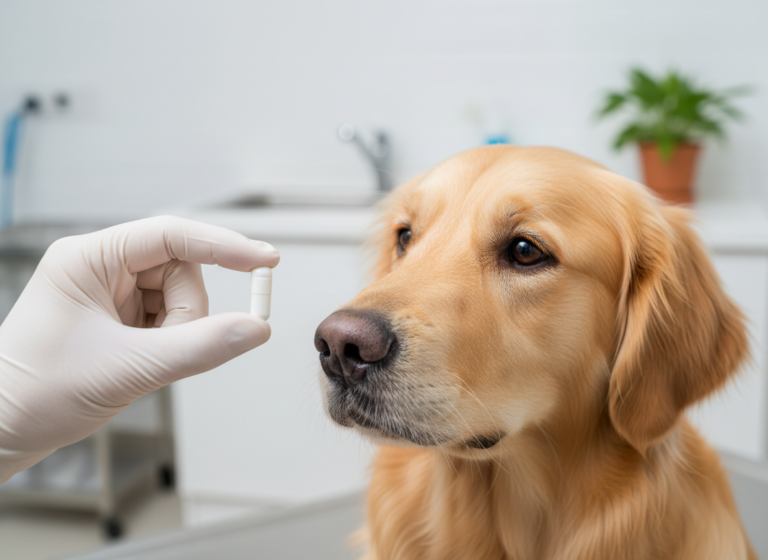
- Medication: Check with your vet about pill pockets or coatings. Many are designed to be palatable using fat. You may need to use a tiny ball of low-fat canned food instead.
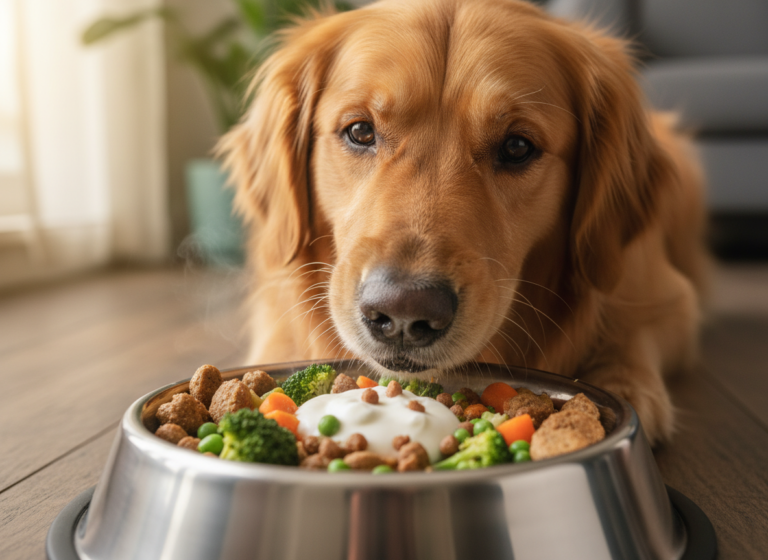
- Food Toppers and Gravies: Assume they are too high in fat unless proven otherwise.
Hacker’s Tip: Your kitchen must become a ‘safe zone.’ Inform every family member and visitor about the strict dietary rules. One well-intentioned but ignorant guest giving your dog a fatty scrap could land you back in the emergency clinic. No exceptions. No excuses.
The Arsenal: Prescription Diets vs. The DIY Approach
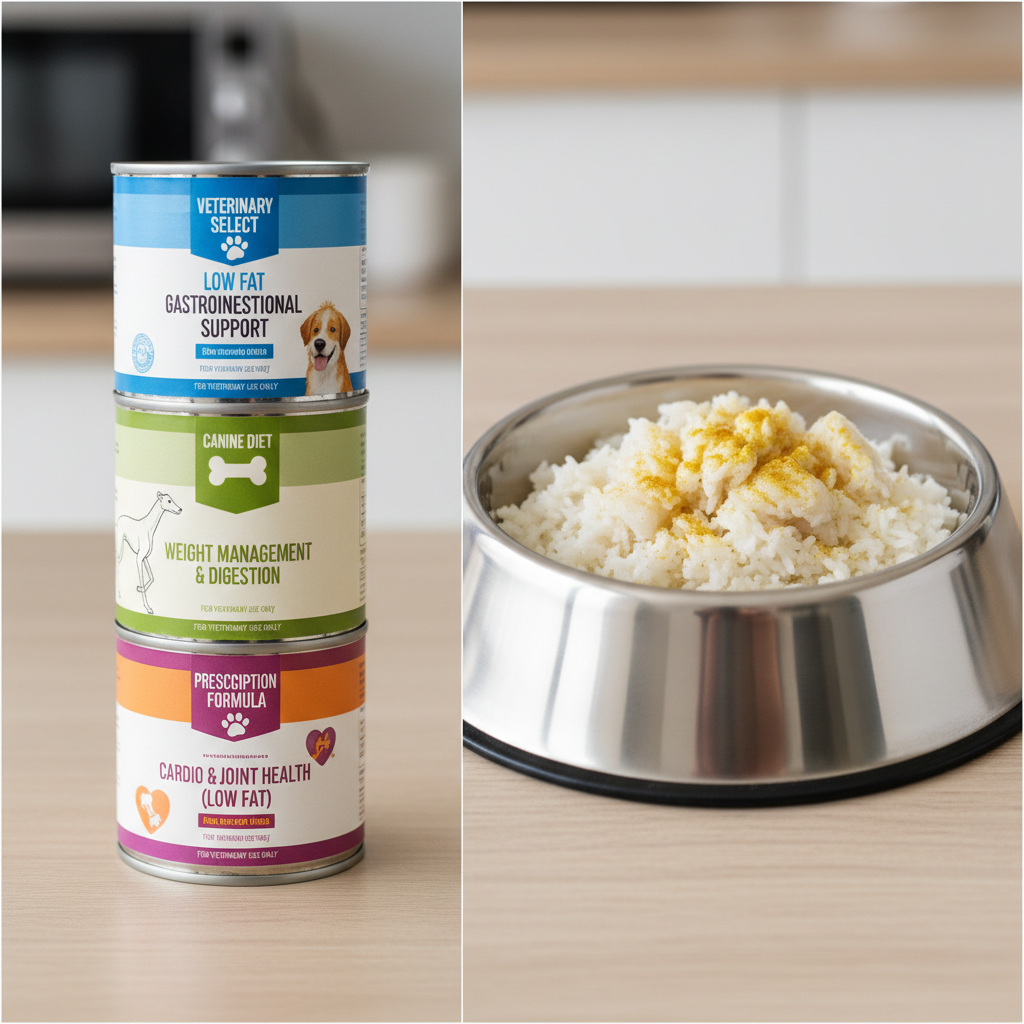
When managing Lymphangiectasia, you have two primary dietary weapons: commercially prepared veterinary therapeutic diets or a meticulously planned homemade diet. The choice is not to be taken lightly.
The Prescription Powerhouses
For the vast majority of cases, a prescription diet formulated by veterinarians is the safest, most reliable, and highly recommended starting point. These diets are the result of extensive research and are clinically proven to meet the specific, extreme nutritional requirements of dogs with this condition. They are formulated to be ultra-low in fat, highly digestible, and nutritionally complete, removing the risk of human error.
- Leading Options: Brands like Royal Canin Gastrointestinal Low Fat, Hill’s Prescription Diet i/d Low Fat, and Purina Pro Plan Veterinary Diets EN Gastroenteric are the standard-bearers in this category. They come in both dry and canned formulas.
The Homemade ‘Hacker’ Route (With Extreme Caution)
Some dogs may not tolerate commercial diets, or owners may prefer to prepare food at home. However, this path is fraught with peril. Attempting a homemade diet for Lymphangiectasia without the direct, ongoing supervision of a board-certified veterinary nutritionist is extremely dangerous and can lead to rapid nutritional deficiencies that will worsen your dog’s condition. A simple ‘chicken and rice’ diet is grossly incomplete and will cause more harm than good over time. A veterinary nutritionist will create a precise recipe tailored to your dog’s needs, including exact ratios of macronutrients and a specific vitamin and mineral supplement to balance the diet.
| Diet Type | Pros | Cons | Hacker’s Verdict |
|---|---|---|---|
| Prescription Veterinary Diets | Clinically proven, nutritionally complete, convenient, removes guesswork and risk of error. | Can be expensive, may contain ingredients your dog is sensitive to, some dogs may refuse the taste. | The safest and most effective first line of defense. Start here under your vet’s guidance. |
| Veterinarian-Formulated Homemade Diet | Full control over ingredients, ideal for dogs with multiple food allergies, can increase palatability. | Requires strict adherence to the recipe, time-consuming, high risk of nutritional imbalance if not formulated by a certified nutritionist, can be more expensive. | An advanced option only to be pursued with a board-certified veterinary nutritionist on your team. Do not attempt this alone. |
Beyond the Bowl: Critical Supplements and Monitoring

Diet is the foundation, but managing Lymphangiectasia requires a comprehensive approach. The damaged gut often struggles to absorb essential nutrients, necessitating targeted supplementation and diligent monitoring.
Essential Supplementation (Under Veterinary Orders)
Never add supplements without your veterinarian’s approval, as you can disrupt a carefully balanced diet. However, your vet will likely discuss or prescribe the following:
- Cobalamin (Vitamin B12): The ileum, the final section of the small intestine, is responsible for B12 absorption and is often severely affected by IBD and Lymphangiectasia. Most dogs with this condition require regular B12 injections or oral supplementation to prevent deficiency, which causes lethargy and poor appetite.
- Fat-Soluble Vitamins (A, D, E, K): An ultra-low-fat diet, by its nature, can be deficient in these vitamins. A properly formulated diet will account for this, but your vet may monitor levels and add specific supplements if needed.
- Medium-Chain Triglycerides (MCTs): In some specific cases, a vet may recommend adding a small amount of MCT oil. Unlike regular fats (long-chain triglycerides), MCTs are absorbed directly into the portal vein, bypassing the damaged lymphatic system. This should only be done under strict veterinary supervision, as incorrect usage can worsen the condition.
Relentless Monitoring
You are the most important member of your dog’s healthcare team because you see them every day. Meticulous monitoring is crucial for catching flare-ups before they become emergencies.
- Daily Stool Journal: Keep a simple log of stool consistency, color, and frequency. This is your best early warning system.
- Weekly Weigh-Ins: Weight loss is a cardinal sign of a flare-up. Use a consistent scale at the same time each week and log the results.
- Regular Vet Checks: Your veterinarian will schedule regular blood tests to monitor key indicators, especially albumin and globulin (total protein) levels. These objective numbers tell the true story of how well the disease is being managed.
Conclusion
Managing Lymphangiectasia is a marathon, not a sprint. It requires a level of dietary vigilance that can feel overwhelming, but it is the most powerful control you have over your dog’s well-being. The rules are simple but absolute: the diet must be ultra-low in fat, the protein must be high-quality and easily digestible, and there is zero tolerance for hidden fats from treats or table scraps. Your most critical alliance is with your veterinarian and, if necessary, a veterinary nutritionist. They are your partners in navigating this complex disease. By becoming a forensic expert on your dog’s nutrition and committing to these essential rules, you can effectively manage the symptoms and provide your loyal companion with the best possible quality of life for years to come.