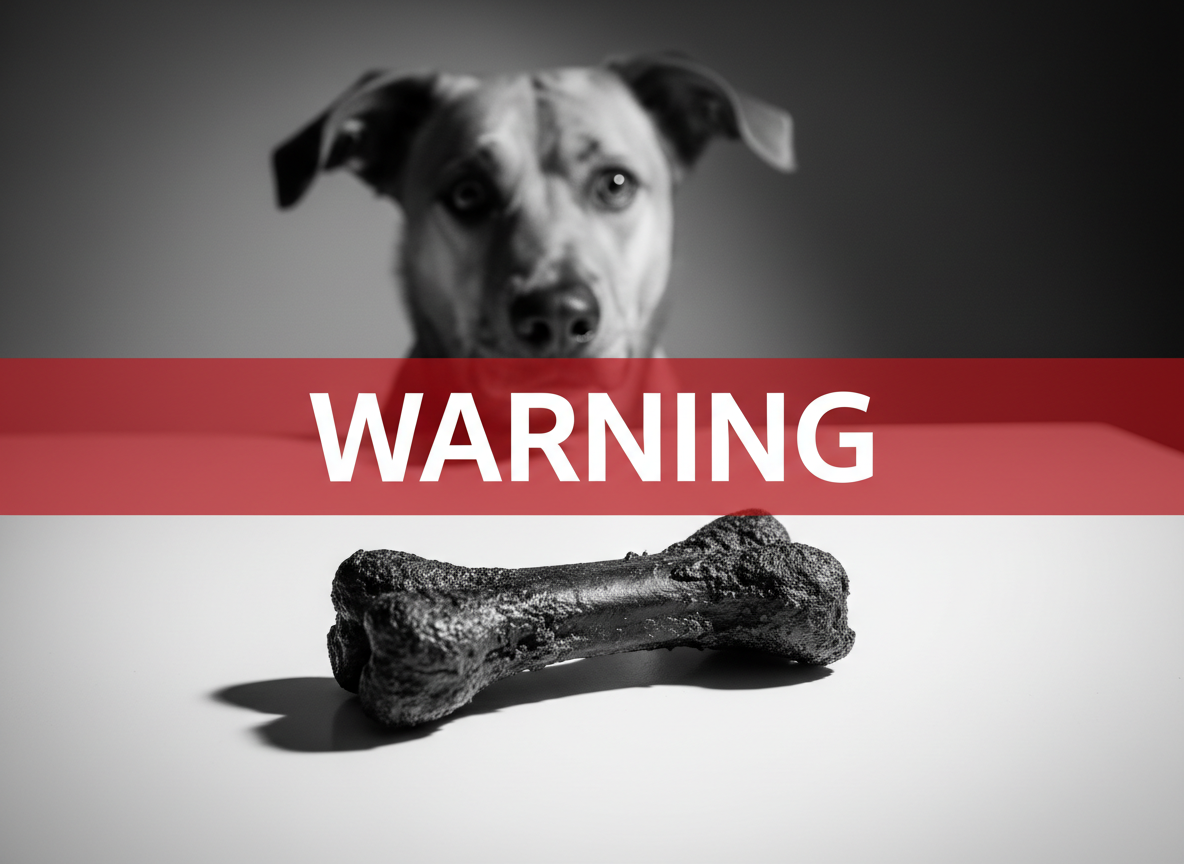
WARNING: Can Dogs Eat Smoked Bones? Read This First
Walk into any pet supply store, and you’ll see them: bins overflowing with shrink-wrapped smoked bones, knuckles, and ribs. They’re marketed as a ‘natural,’ ‘long-lasting’ treat that will satisfy your dog’s primal urge to chew. It seems like the perfect, simple solution to keep your companion occupied. But what if I told you that this popular treat is one of the most dangerous items you can give your dog?
I’m The Canine Nutrition Hacker. I don’t fall for slick marketing or pretty packaging. I analyze ingredients and manufacturing processes to uncover the truth. The truth about smoked bones is grim. The very process that gives them their color and flavor—cooking—transforms them from a beneficial chew into a brittle, hazardous object capable of causing catastrophic internal injury, expensive dental damage, and life-threatening illness. This isn’t an overreaction; it’s a reality backed by countless emergency vet visits.
Medical Disclaimer: I am not a veterinarian. The information in this article is based on extensive research and analysis of canine nutrition and safety protocols. Always consult with your trusted veterinarian before introducing new foods or chews into your dog’s diet, especially if your dog has pre-existing health conditions.
The Anatomy of a Hazard: Why Cooking Changes Everything
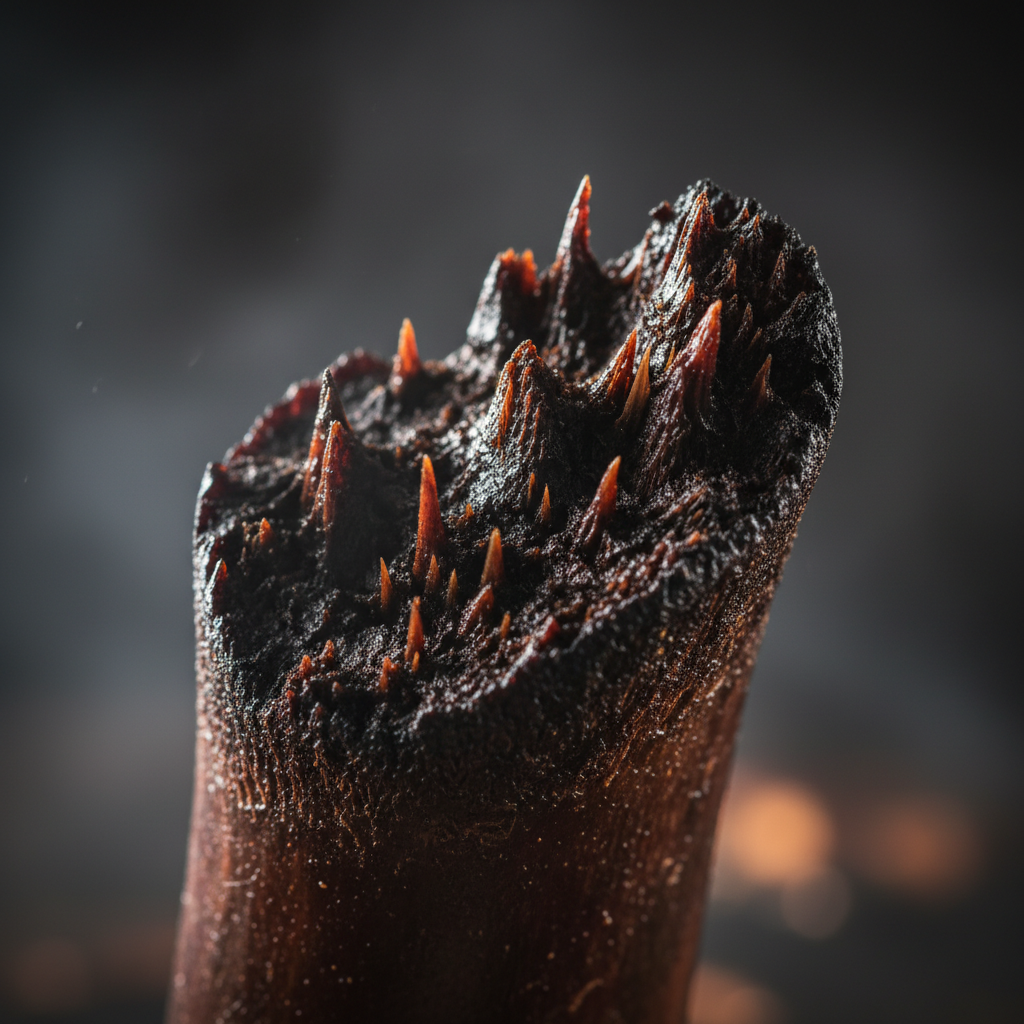
To understand the danger, you must first understand the fundamental difference between a raw bone and a cooked bone. A raw, non-weight-bearing bone from a butcher is relatively soft and pliable. A dog’s powerful jaws and digestive system are designed to handle this material—breaking off small, manageable pieces and digesting them. The structure is resilient.
The moment you apply heat—whether through smoking, roasting, or boiling—the entire molecular structure of the bone changes. The collagen and protein matrix denatures, moisture is stripped away, and the bone becomes incredibly hard and brittle. Think of the difference between a green, living tree branch and a dead, dry piece of kindling. One bends; the other snaps into sharp, jagged shards.
The Splintering Effect: A Recipe for Disaster
When a dog chews on a cooked or smoked bone, it doesn’t grind down safely. Instead, it’s prone to fracturing into sharp, needle-like splinters. These splinters are the primary enemy. They pose a severe risk at every stage of their journey through your dog’s body:
- Oral Cavity: Shards can embed in the gums, tongue, or palate, causing pain, infection, and abscesses.
- Esophagus: A splinter can easily puncture the delicate lining of the esophagus on its way down, a notoriously difficult and dangerous area to treat surgically.
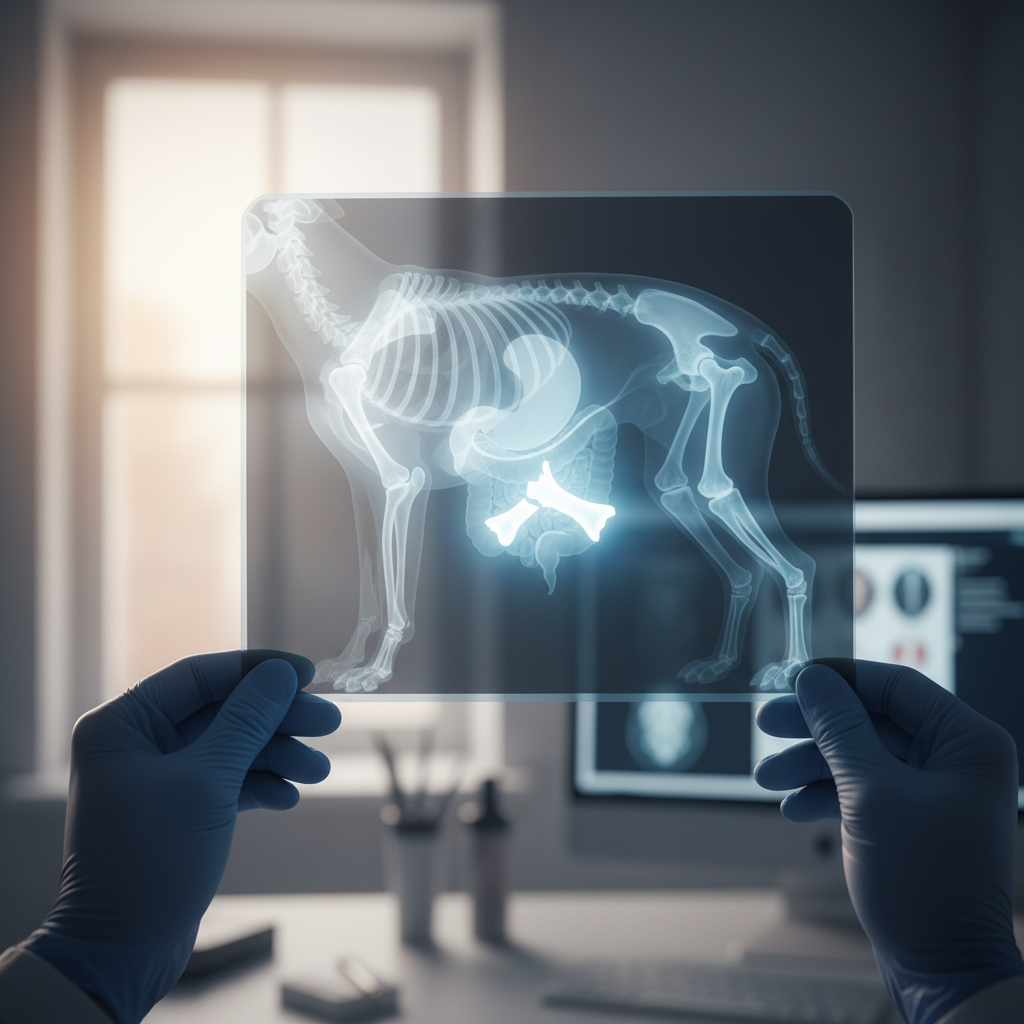
- Stomach and Intestines: This is the most critical danger zone. A sharp bone fragment can perforate the stomach wall or intestinal lining, leading to peritonitis—a severe, often fatal infection of the abdominal cavity. This is an absolute medical emergency requiring immediate, high-risk surgery.
Hacker Tip: Don’t be fooled by the term ‘smoked.’ It’s just a form of low and slow cooking. Whether it’s roasted, boiled, or smoked, any bone that has been heat-treated has become dangerously brittle. There is no ‘safe’ cooked bone.
Hidden Enemies: Fat and Sodium Overload
Beyond the physical danger of splinters, smoked bones harbor other nutritional threats. The marrow inside the bone is extremely rich in fat. In a raw state, this fat is processed differently. But after cooking, this concentrated fat can be a massive shock to a dog’s system, often triggering a painful and potentially lethal bout of acute pancreatitis. Furthermore, the brines and artificial ‘smoke’ flavorings used in the manufacturing process can load the bone with excessive sodium and preservatives, which are detrimental to your dog’s long-term health, particularly for their heart and kidneys.
The ‘Big Four’ Dangers: A Forensic Breakdown of the Risks
When you hand your dog a smoked bone, you are exposing them to four primary categories of risk. Understanding these specific threats, and the potential financial and emotional cost associated with them, is critical for any responsible owner.
-
Gastrointestinal Trauma and Perforation
This is the most life-threatening risk. As discussed, splinters from a cooked bone act like internal shivs. A perforation of the GI tract is not a minor issue. It allows bacteria-laden digestive contents to spill into the sterile abdominal cavity. The resulting infection, peritonitis, is incredibly aggressive. Symptoms include severe abdominal pain, lethargy, vomiting, and fever. The only treatment is emergency surgery to repair the tear and flush the abdomen, with a very guarded prognosis and costs that can easily run into the thousands of dollars.
-
Choking and Obstruction
Dogs, in their enthusiasm, can break off large, awkward chunks of smoked bone. These pieces can become lodged in the throat, cutting off their airway—a terrifying and immediate emergency. If swallowed, a large piece can cause a blockage in the stomach or small intestine. The bone fragment is too large to pass, and it effectively creates a dam. Nothing can get through, leading to severe vomiting, dehydration, and pain. This, too, requires major surgery to remove the obstruction, often involving removing a section of the intestine itself.
-
Acute Pancreatitis
The pancreas is a small organ with a big job: producing digestive enzymes and insulin. A sudden, high-fat meal—like the cooked marrow from a smoked bone—can overwhelm it, causing it to become inflamed and start digesting itself. This is pancreatitis. It is excruciatingly painful for the dog and can range from a mild case requiring hospitalization for IV fluids and pain management to a severe, hemorrhagic case that can lead to systemic organ failure and death. It’s a horrible illness triggered by a seemingly innocent ‘treat’.
-
Cracked and Broken Teeth
A dog’s teeth are strong, but they are not invincible. The extreme hardness of cooked bones far exceeds the compressive strength of their teeth. Vets regularly see painful slab fractures—where a whole side of a molar shears off—and full tooth fractures caused by dogs chewing on cooked bones, antlers, and other excessively hard items. This isn’t just a cosmetic issue. A broken tooth is painful and exposes the sensitive pulp, creating a direct route for infection to enter the jawbone. Treatment requires extraction or a root canal, another procedure that costs hundreds or even thousands of dollars.
The Canine Nutrition Hacker’s Safer Chewing Directory
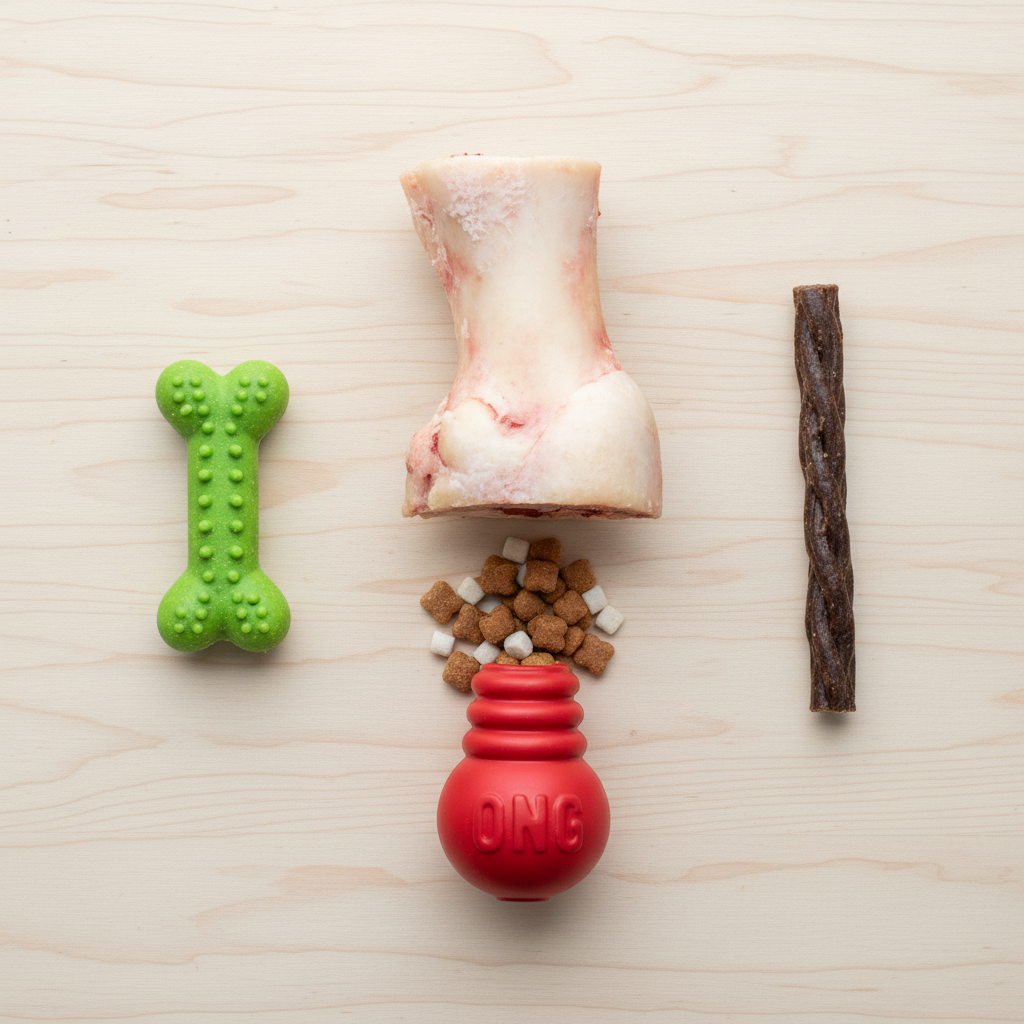
Rejecting a dangerous product is only half the battle. The other half is finding a safe, effective replacement that satisfies your dog’s need to chew. Chewing is a natural, healthy, and mentally stimulating activity for dogs. Your job is to provide a safe outlet for it. The following are hacker-approved alternatives that provide the benefits of chewing without the life-threatening risks of smoked bones.
Here is a direct comparison of the best and worst options on the market. Your goal should be to stay in the ‘Low’ and ‘Very Low’ risk categories.
| Chew Type | Best For | Risk Level | Hacker Verdict |
|---|---|---|---|
| Smoked/Cooked Bones | No dog | Extreme | Unacceptable risk. The combination of splintering, obstruction, and pancreatitis makes this a hard ‘never.’ |
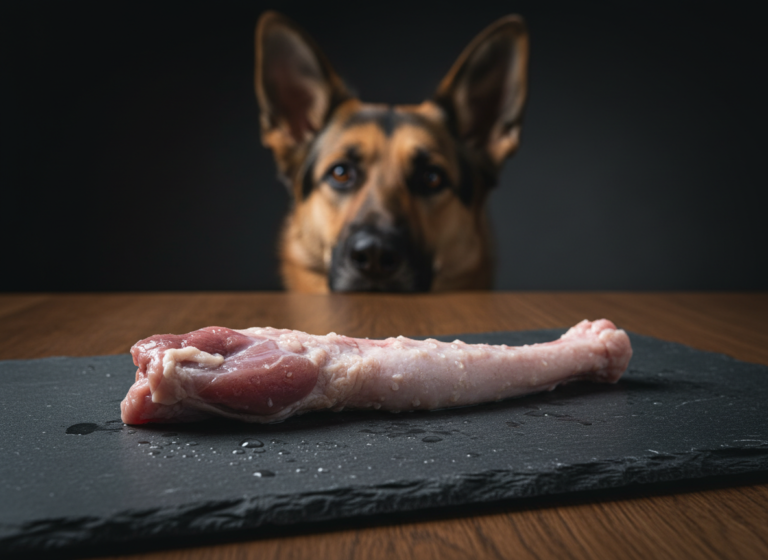
| Raw Recreational Bones | Supervised power chewers | Low (with rules) | Excellent, but requires education. Must be raw, size-appropriate (larger than their muzzle), and always supervised. Never give weight-bearing leg bones of large animals like cows. |
| VOHC-Approved Dental Chews | Daily dental health | Very Low | The gold standard for dental hygiene. Look for the Veterinary Oral Health Council (VOHC) seal. They are proven to reduce plaque and tartar. |
| Hard Rubber Food-Stuffable Toys | All chew types, mental stimulation | Very Low | The safest option. Brands like Kong are virtually indestructible. Stuffing them with food turns a chew session into a rewarding puzzle. Freeze for a longer-lasting challenge. |
| Single-Ingredient Natural Chews | Light to moderate chewers | Low to Moderate | Good options include bully sticks, beef tendons, and collagen chews. Ensure they are sourced from reputable countries and appropriately sized to prevent swallowing whole. Avoid rawhide due to digestive blockage risks. |
A Deeper Dive into Safe Choices
Raw Recreational Bones: The key here is RAW. Choose bones like beef neck bones or ribs. The goal is for the dog to gnaw off the meat and connective tissue, not consume the entire bone. Supervise closely and discard the bone after a day or once it has been gnawed down to a size that could be swallowed.
Hard Rubber Toys (e.g., Kong): This is my top recommendation for 99% of dog owners. They are safe, durable, and dishwasher-safe. Their real value comes from their ability to be stuffed. Smear the inside with xylitol-free peanut butter, plain yogurt, or canned pumpkin, then add some kibble. Freezing it creates a long-lasting, mentally engaging treat that can help with crate training and separation anxiety.
Conclusion
The verdict is in, and the evidence is overwhelming. Smoked bones are a hazardous gamble, not a healthy treat. The cooking process creates a product that is dangerously brittle and poses an unacceptable risk of splintering, choking, intestinal perforation, and pancreatitis. The ‘all-natural’ label on the package is a deceptive marketing ploy that ignores the fundamental structural changes caused by heat.
As a savvy pet owner, you must learn to analyze products like a hacker, looking past the marketing to the real-world risks. Empower yourself with knowledge and protect your dog from preventable harm. Throw away any smoked bones you have in your home and make a conscious choice to invest in safer, more beneficial alternatives.
Your dog relies on you to make safe choices for them. By opting for a durable rubber toy, a VOHC-approved dental chew, or a properly-sourced raw bone, you are providing the mental and physical benefits of chewing without playing Russian roulette with their health. Make the safe choice. Your dog’s life, and your financial peace of mind, depend on it.