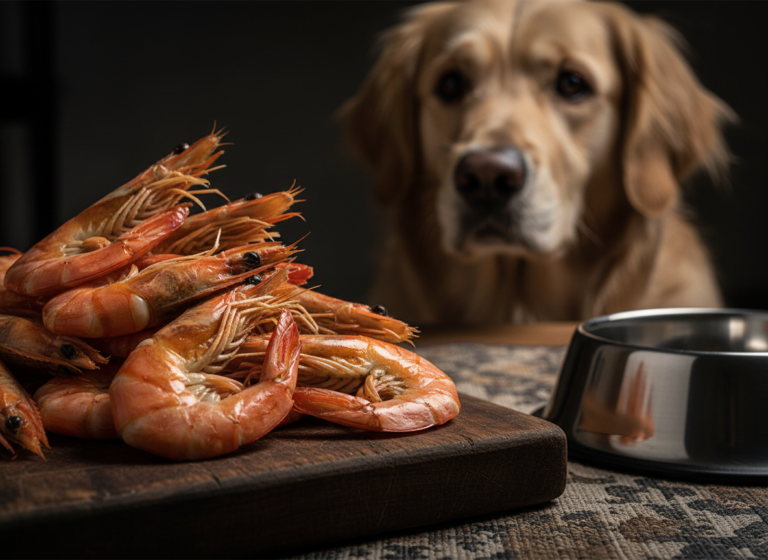

Why Canned Oysters Are the Zinc Superfood Your Dog Needs
As a Canine Nutrition Hacker, I don’t just read the front of the dog food bag; I dissect the ingredient list like a forensic scientist. And I’m here to tell you about a widespread deficiency hiding in plain sight, even in so-called ‘premium’ and ‘complete’ diets: inadequate, poorly absorbed zinc. This master mineral is the spark plug for hundreds of critical bodily functions, from a robust immune system to healthy skin and a lustrous coat. When your dog is low on zinc, you see the fallout: dull fur, cracked paws, poor healing, and a weakened defense against illness. The industry’s solution is often to add cheap, synthetic forms of zinc that your dog’s body struggles to use. But the hack is simpler and far more powerful than any supplement pill. It’s sitting on your grocery store shelf right now: canned oysters. Forget fancy, overpriced additives. We’re about to unlock a bioavailable, cost-effective zinc superfood that can revolutionize your dog’s health from the inside out.
The Hidden Enemy: Why Your Dog’s ‘Complete’ Diet Might Be Zinc-Deficient
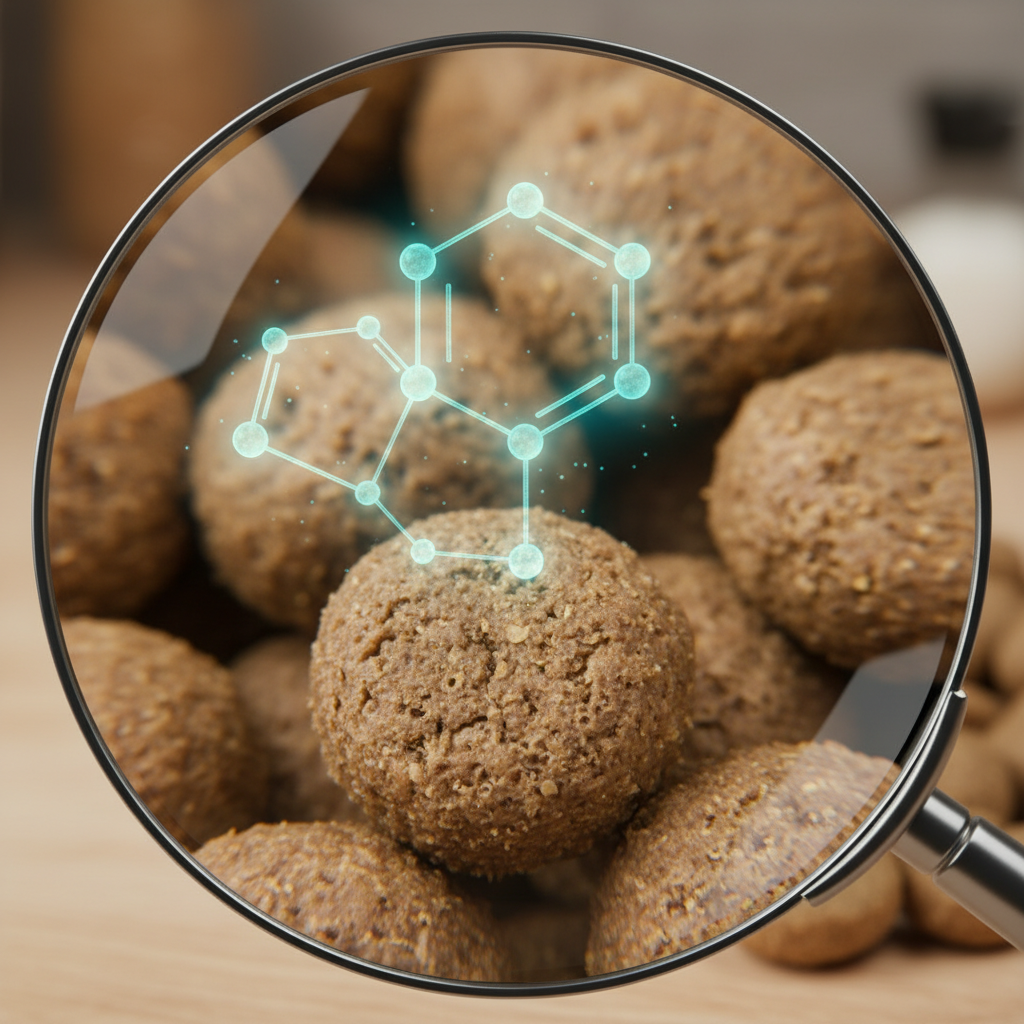
The Zinc Deficiency Deception in Commercial Dog Food
You trust the label that says ‘100% Complete and Balanced Nutrition.’ But the reality of modern pet food manufacturing is that heat, pressure, and processing can decimate the natural nutrients in whole ingredients. Zinc is particularly vulnerable. To compensate, manufacturers add it back in, but the form they choose is a matter of cost, not quality.
The Problem with Synthetic Zinc
Most commercial dog foods utilize inorganic zinc sources like zinc sulfate or zinc oxide. While technically meeting the minimum nutritional requirements set by AAFCO, these forms are not what a canine body is designed to process. Their bioavailability—the measure of how much of a nutrient can actually be absorbed and utilized—is notoriously low. This is especially true in diets high in grains and legumes (like peas and lentils), which contain compounds called phytates that bind to minerals like zinc and block their absorption. Essentially, you’re paying for zinc that passes right through your dog’s system.
Symptoms of Subclinical Zinc Deficiency
A full-blown zinc deficiency is serious, but more common is a low-grade, chronic deficiency that slowly erodes your dog’s health. The signs are often dismissed as normal aging or allergies:
- Dull, dry, or brittle coat
- Flaky skin (dandruff)
- Hair loss, especially around the eyes and mouth
- Thickened, cracked paw pads or nose
- Chronic skin infections or hot spots that won’t heal
- Poor appetite or lethargy
- A weakened immune system leading to frequent illness
Before you spend hundreds on medicated shampoos and allergy tests, you must first analyze the nutritional foundation. The answer might not be in the pharmacy, but in the pantry.
Unlocking the Superfood: Why Oysters Are a Bioavailable Zinc Bomb

Nature’s Zinc Powerhouse: The Oyster Advantage
If synthetic zinc is the problem, whole-food sources are the solution. And no food on planet Earth packs a bigger zinc punch than the humble oyster. A single medium oyster can contain more than 5 mg of zinc, a significant amount for even a large dog. But the real secret isn’t just the quantity; it’s the quality.
Bioavailability is King
The zinc found in oysters is naturally chelated, meaning it’s bound to amino acids. This organic form is recognized by your dog’s digestive system as food, not as a foreign chemical compound. The result is a dramatically higher absorption rate compared to the inorganic salts found in kibble. This means less work for the digestive system and more nutritional power delivered directly to the cells where it’s needed most.
Insider Secret: Oysters contain a unique blend of supporting nutrients, including copper and selenium, which work synergistically with zinc. This ‘food matrix’ enhances the overall benefit in a way an isolated, synthetic supplement simply cannot replicate. It’s nature’s perfect formula.
Beyond zinc, oysters are also a fantastic source of other hard-to-get nutrients:
- Vitamin B12: Crucial for brain function and energy production.
- Iron: Essential for healthy red blood cells and oxygen transport.
- Omega-3 Fatty Acids: Powerful anti-inflammatory agents for joint and skin health.
- Taurine: A critical amino acid for heart health.
Adding oysters isn’t just plugging a zinc deficiency; it’s providing a complex, multi-nutrient boost that supports your dog’s entire body.
The Hacker’s Playbook: Safely Adding Canned Oysters to Your Dog’s Bowl
Sourcing and Serving: Your Step-by-Step Guide
Incorporating this superfood is easy, but precision is key. Follow this playbook to ensure you do it safely and effectively.
MEDICAL DISCLAIMER: I am a nutrition analyst, not a veterinarian. Before adding any new food to your dog’s diet, especially if they have pre-existing health conditions, consult with your veterinarian or a board-certified veterinary nutritionist.
Step 1: Sourcing the Right Product
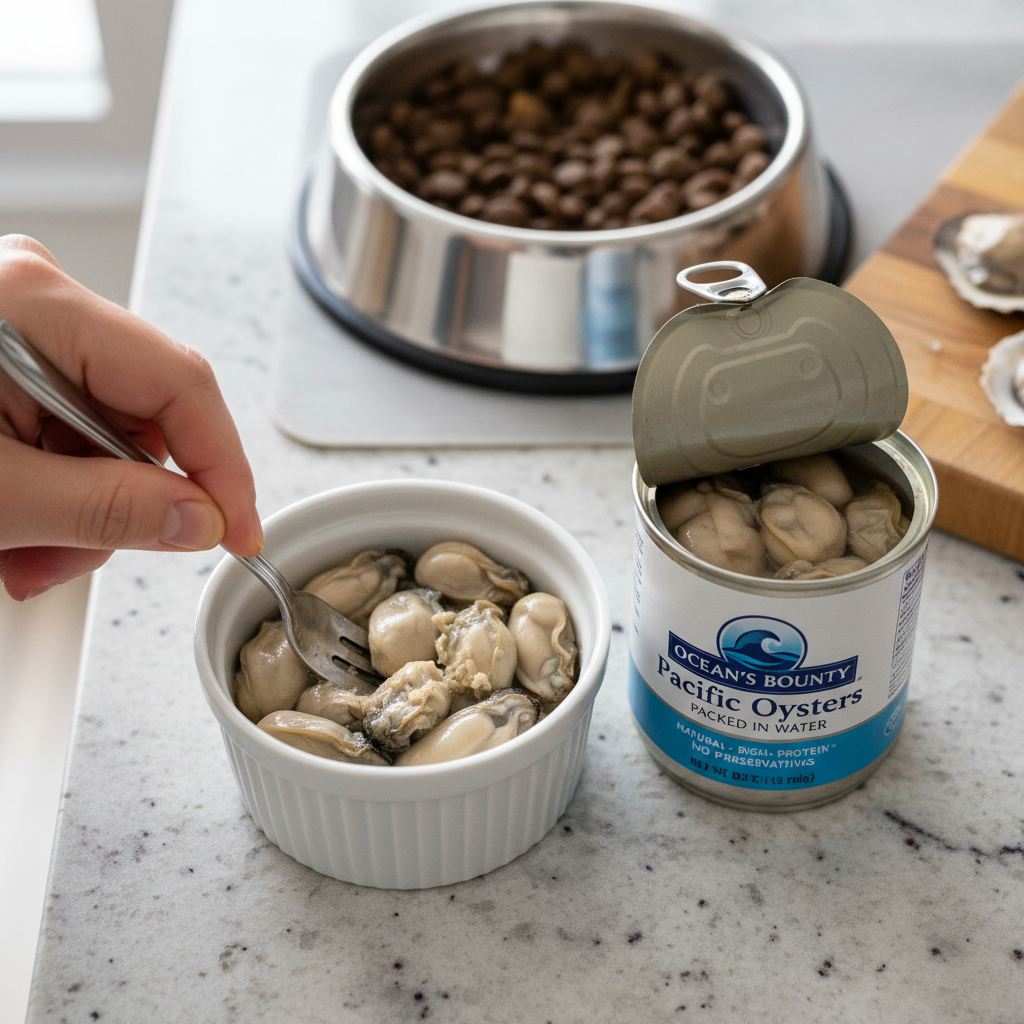
Not all canned oysters are created equal. Walk past the smoked, seasoned, and fried varieties. Your mission is to find the plainest, most boring can on the shelf. Read the label—it should have two, maybe three, ingredients:
- Oysters
- Water
- Salt (only if a ‘No Salt Added’ version is unavailable; if so, rinse thoroughly)
You must AVOID oysters packed in any kind of oil (cottonseed, sunflower, olive, etc.) or with added sauces, spices, or flavorings. These can cause severe digestive upset and pancreatitis.
Step 2: The Serving Size Protocol
Moderation is paramount. Oysters are nutritionally dense, and too much of a good thing can be detrimental. This is a supplement, not a meal. Use the following guide, serving no more than two to three times per week:
- Small Dogs (under 20 lbs): 1 small oyster.
- Medium Dogs (20-50 lbs): 1-2 medium oysters.
- Large Dogs (50-90 lbs): 2-3 medium oysters.
- Giant Breeds (over 90 lbs): 3-4 medium oysters.
When you first introduce oysters, start with half the recommended amount to see how your dog’s system reacts.
Step 3: Preparation and Introduction
Never serve the oyster whole, as it can be a choking hazard. Always chop or mash it thoroughly and mix it directly into their regular food. The water from the can (if unsalted) is also packed with nutrients and can be poured over their kibble as a tasty and hydrating food topper.
The Bottom Line: Premium Nutrition on a Kibble Budget

Cost Analysis: The Zinc Superfood Hack vs. Commercial Supplements
Let’s break down the numbers. High-end skin and coat supplements often rely on the same synthetic zinc you’re trying to avoid, but they package it in a fancy container with a premium price tag. Here’s how hacking your dog’s nutrition with oysters provides superior value.
| Nutrition Source | Active Ingredient | Approximate Monthly Cost (50lb Dog) | Bioavailability | Verdict |
|---|---|---|---|---|
| Premium Zinc Supplement Chews | Zinc Sulfate/Oxide (chelated with proteins) | $20 – $35 | Moderate | Expensive for what is often a processed, less-than-optimal form of the mineral. |
| Canned Oysters (The Hacker’s Method) | Whole Food Zinc (Naturally Chelated) | $5 – $10 | Very High | Extremely cost-effective for a superior, whole-food source with bonus nutrients. |
A standard 3.75 oz can of oysters contains around 15-20 small oysters and costs about $2.50. For a 50lb dog receiving two oysters three times a week, one can will last nearly two weeks. The monthly cost is negligible compared to the profound nutritional benefits. You’re not just buying zinc; you’re investing in a whole-food solution that the supplement industry can’t replicate at any price.
Hacker Tip: Check warehouse clubs and online retailers for cases of canned oysters. Buying in bulk can drop the price per can significantly, making this one of the most affordable high-impact nutritional upgrades you can make.
Due Diligence: Potential Risks and When to Avoid Oysters

Important Caveats and Red Flags
While oysters are a nutritional powerhouse, they are not suitable for every dog. Responsible ownership means understanding the potential risks.
Allergies and Sensitivities
Shellfish is a known allergen in humans and can be in dogs as well. When you first offer an oyster, give only a tiny amount and watch for any signs of an allergic reaction for the next 24 hours, including:
- Vomiting or diarrhea
- Excessive itching or hives
- Swelling of the face, lips, or ears
If you observe any of these signs, discontinue use immediately and consult your vet.
Pre-existing Health Conditions
Certain dogs should NOT be given oysters without explicit veterinary approval:
- Dogs with Liver Disease: The liver is responsible for processing minerals. Compromised liver function can lead to a dangerous buildup of minerals like copper, which is also present in oysters.
- Dogs Prone to Pancreatitis: While you should be using oysters packed in water, their natural fat content could still be a trigger for highly sensitive dogs.
- Dogs on Specific Prescription Diets: If your dog is on a therapeutic diet for kidney, liver, or urinary issues, do not add anything to their food without consulting the prescribing veterinarian. These diets are precisely formulated, and additions can disrupt their delicate balance.
Ultimately, the goal is to enhance your dog’s health. By being cautious and informed, you can ensure this nutritional hack is a safe and beneficial addition to their life.
Conclusion
The path to optimal canine health is paved with knowledge, not just expensive products. The ‘complete and balanced’ promise on a bag of kibble is a starting point, not the final word. By understanding the nutritional gaps left by industrial food processing, you can make small, powerful interventions that yield enormous health benefits. Canned oysters are the perfect example of a Canine Nutrition Hacker’s tool: an affordable, accessible, and incredibly potent whole-food supplement that directly addresses the common problem of zinc deficiency. You now have the knowledge to bypass the expensive, ineffective supplements and give your dog the bioavailable nutrition they were designed to thrive on. It’s time to start reading the labels, questioning the marketing, and taking control of what goes into your dog’s bowl.