
5 Veterinarian-Approved Liver Shunt Dog Diet Recipes
A diagnosis of a portosystemic shunt, or liver shunt, can feel like a gut punch. The veterinary jargon, the worry, and the immediate, drastic change required in your dog’s life can be overwhelming. But here’s the unvarnished truth: diet is the single most powerful tool in your arsenal for managing this condition. I’m the Canine Nutrition Hacker, and I don’t deal in fluff. I deal in forensic analysis of what goes into your dog’s bowl. Forget the marketing hype on commercial bags; we’re going straight to the source to build a diet that actively works to reduce the metabolic load on your dog’s compromised liver.
MEDICAL DISCLAIMER: I am a canine nutrition analyst, not a veterinarian. The information and recipes provided here are for educational purposes and are designed to be used in strict partnership with your veterinarian or a board-certified veterinary nutritionist. A liver shunt is a serious medical condition. Never change your dog’s diet without professional veterinary guidance. These diets must be supplemented correctly to be nutritionally complete, and only your vet can determine the right protocol for your dog’s specific needs.
In this guide, we’ll deconstruct the ‘why’ behind a liver shunt diet and then I’ll hand you the keys to my vault: five foundational recipes, approved by veterinary professionals, that you can discuss with your vet to create a powerful, life-sustaining nutritional plan for your dog.
Deconstructing the Liver Shunt: Why Diet is Your Most Powerful Tool

Before we cook, we need to understand the battlefield. A portosystemic shunt (PSS) is an abnormal blood vessel that allows blood from the digestive tract to bypass the liver. Think of it as a highway detour that skips a critical filtration plant. The liver’s job is to detoxify the blood, processing nutrients, medications, and waste products. One of the most dangerous waste products is ammonia, a byproduct of protein digestion.
When blood bypasses the liver, ammonia and other toxins build up, traveling directly to the brain. This can cause severe neurological symptoms known as hepatic encephalopathy (HE), including disorientation, stumbling, head pressing, and even seizures. The entire goal of a liver shunt diet is to minimize the production of these toxins at the source.
The Three Pillars of a Liver Shunt Diet:
- Protein Quality and Quantity Control: This is non-negotiable. We need to provide enough protein for essential body functions but restrict it to a level the compromised liver can handle. More importantly, the *type* of protein matters. We want to avoid proteins that produce high levels of ammonia.
- Copper Restriction: The liver is responsible for storing and metabolizing copper. In a dog with a shunt, copper can accumulate to toxic levels, causing further liver damage. We must actively select low-copper ingredients.
- Toxin Binding & Gut Health: A healthy gut can significantly reduce the amount of toxins absorbed into the bloodstream. We use specific types of fiber to bind with ammonia and other toxins, carrying them out of the body in the stool.
Enemy vs. Hero: The Non-Negotiable Ingredients for Liver Support
Building the right diet is as much about what you exclude as what you include. Your job is to become a ruthless gatekeeper for your dog’s bowl.
Enemy Ingredients: EVICT IMMEDIATELY
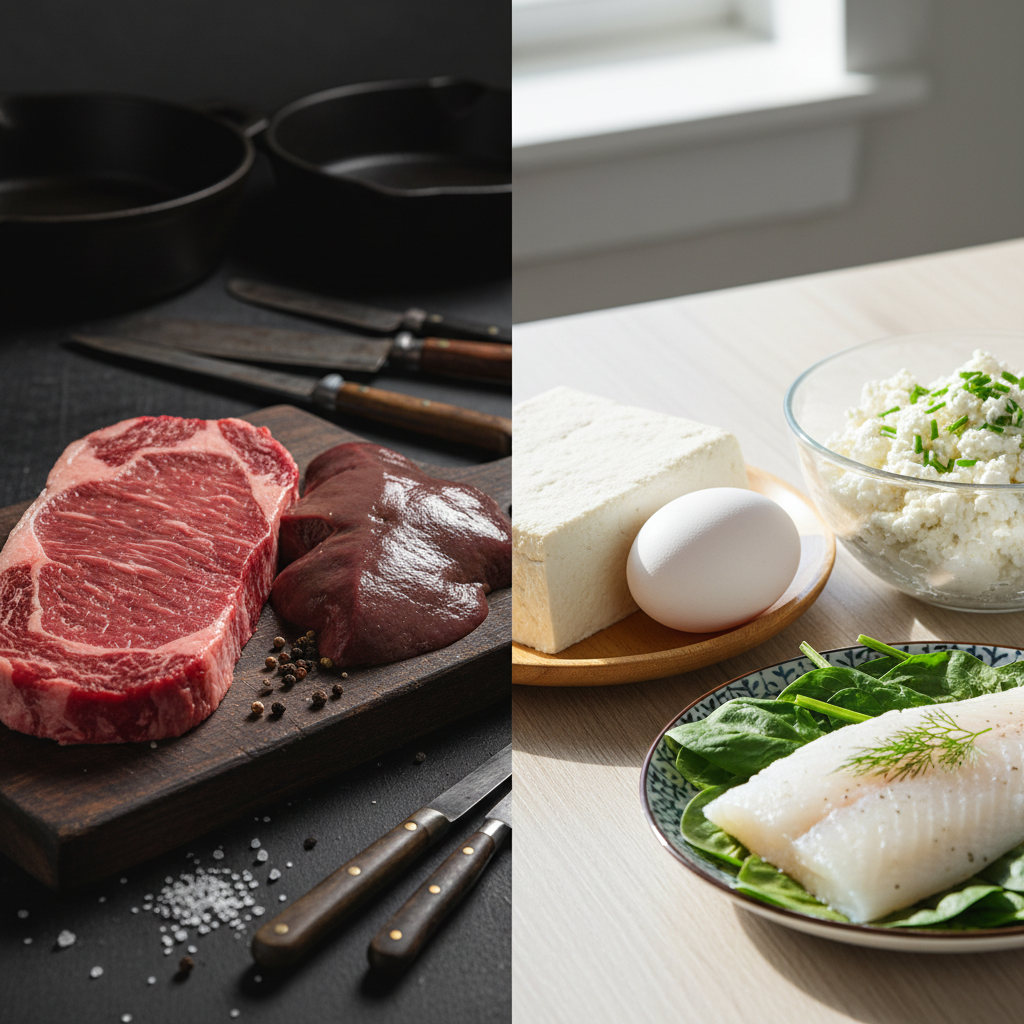
- Red Meats (Beef, Lamb, Duck): These are high in aromatic amino acids, which are strongly linked to the neurological signs of hepatic encephalopathy.
- Organ Meats (Liver, Kidney): While nutritious for healthy dogs, they are extremely high in copper and purines, making them toxic for a dog with a liver shunt. This is a hard ‘no’.
- Fish Meal & Low-Quality Proteins: Poorly digestible proteins ferment in the gut, creating a factory for ammonia production. Stick to high-quality, specified sources.
- High-Copper Foods: This includes most nuts, legumes (beans, lentils), and shellfish. Always check copper levels in any new ingredient.
Hero Ingredients: YOUR NEW ARSENAL
- Vegetable & Dairy Proteins: Tofu (soy) and low-fat cottage cheese are superstar proteins. They are highly digestible and have a much better amino acid profile for liver health, producing less ammonia.
- Eggs: Another highly bioavailable protein source that is well-tolerated and provides essential nutrients.
- White Fish (Cod, Tilapia, Pollock): If animal protein is used, it should be limited to easily digestible, low-fat white fish. Avoid oily fish like salmon.
- Soluble Fiber: Cooked oatmeal, pumpkin puree (100% pure pumpkin, not pie filling), and sweet potato provide soluble fiber that feeds good gut bacteria and binds to toxins.
- Complex Carbohydrates: White rice and potatoes provide easily digestible energy, sparing protein from being used for calories.
- Zinc & Vitamin E: These are powerful antioxidants that support liver function and help reduce copper absorption. They must be added as supplements under vet guidance.
The Canine Nutrition Hacker’s Vault: 5 Vet-Approved Liver Shunt Recipes

These recipes are formulated as a base. You must consult your veterinarian about adding a specific vitamin/mineral supplement designed for homemade diets, plus any targeted supplements like zinc, vitamin E, or milk thistle. The amounts given are a starting point for a 20-pound dog per day, divided into 2-3 small meals to reduce the metabolic load. Adjust amounts proportionally for your dog’s weight and activity level, as directed by your vet.
Recipe 1: The ‘Dairy Defender’ Cottage Cheese & Rice Bowl
- Protein: 1/2 cup 1% or 2% low-fat cottage cheese
- Carbohydrate: 1 cup cooked white rice (cooked in extra water to be soft)
- Vegetable/Fiber: 2 tablespoons boiled and mashed carrots or zucchini
- Fat: 1 teaspoon corn oil or other vegetable oil
- Cook the white rice until very soft.
- Boil the vegetables until tender, then mash them.
- Combine the cottage cheese, soft rice, mashed vegetables, and oil in a bowl.
- Mix thoroughly and serve at room temperature.
Hacker Tip: This is the go-to recipe for dogs experiencing active neurological signs, as the dairy protein is exceptionally well-tolerated. It’s often used as a stabilization diet.
Recipe 2: The ‘Tofu Power’ Scramble
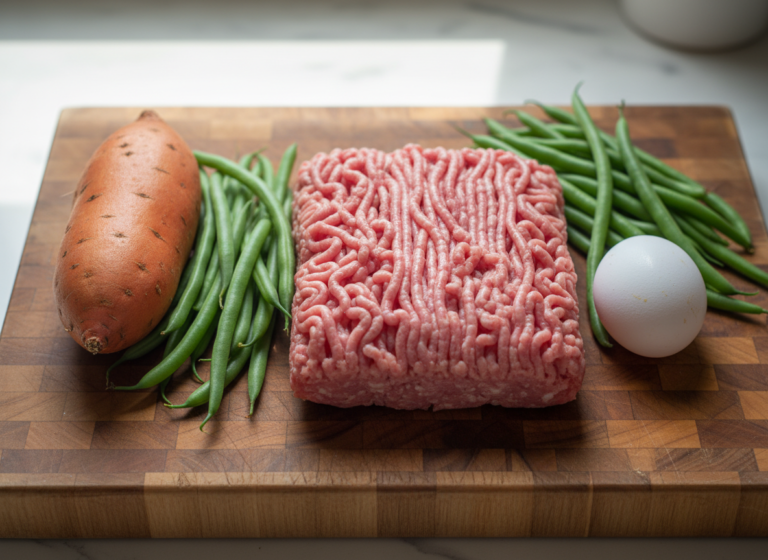
- Protein: 1/3 block (approx. 5 oz) firm or extra-firm tofu, crumbled
- Carbohydrate: 3/4 cup cooked sweet potato, mashed
- Vegetable/Fiber: 1/4 cup finely chopped and steamed green beans
- Fat: 1 teaspoon safflower oil
- Press the tofu to remove excess water, then crumble it. You can lightly pan-fry it with the oil until just warmed through.
- Steam or boil the sweet potato and green beans until very tender. Mash the sweet potato.
- Combine all ingredients in a bowl and mix well.
- Serve warm.
Hacker Tip: Soy protein is a veterinary favorite for liver disease. Ensure you buy plain, firm tofu, not seasoned or silken varieties.
Recipe 3: The ‘Egg & Oatmeal’ Energizer
- Protein: 2 large hard-boiled eggs, chopped
- Carbohydrate/Fiber: 1 cup cooked oatmeal (plain, slow-cook oats are best)
- Vegetable: 2 tablespoons 100% pure canned pumpkin
- Fat: 1 teaspoon flaxseed oil (for Omega-3s)
- Cook the oatmeal according to package directions, using water. Let it cool.
- Hard-boil the eggs, peel, and chop finely.
- Mix the cooled oatmeal, chopped eggs, pumpkin puree, and flaxseed oil together.
- Serve immediately.
Hacker Tip: Oatmeal’s soluble fiber is excellent for binding toxins. This recipe is great for dogs who need extra help with digestive regularity.
Recipe 4: The ‘Clean Catch’ Cod & Potato Medley
- Protein: 3 oz baked or boiled cod, flaked
- Carbohydrate: 1 cup boiled and mashed white potatoes (no skin)
- Vegetable: 1/4 cup steamed and chopped zucchini
- Fat: 1 teaspoon canola oil
- Boil the potato until fork-tender, then mash.
- Bake or boil the cod until it flakes easily. Ensure there are no bones.
- Steam the zucchini until soft.
- Combine all ingredients, flaking the fish into the mash. Mix well.
Hacker Tip: Use this recipe in rotation with non-meat recipes. While white fish is a good option, relying solely on vegetable and dairy proteins is often preferred for long-term management.
Recipe 5: The ‘Gut Guardian’ Turkey & Rice Formula
- Protein: 3 oz boiled ground turkey (99% lean), rinsed well after cooking
- Carbohydrate: 1 cup cooked white rice
- Fiber/Probiotic: 2 tablespoons plain, low-fat yogurt (with live cultures)
- Vegetable: 1/4 cup finely grated and boiled carrots
- Boil the ground turkey, then drain and rinse thoroughly with hot water to remove as much fat as possible.
- Cook the rice and boil the carrots.
- Combine the rinsed turkey, rice, and carrots. Let it cool to room temperature.
- Just before serving, stir in the plain yogurt. Do not heat the yogurt, as it will kill the beneficial bacteria.
Hacker Tip: Rinsing the meat is a critical step to lower the fat and purine content. The yogurt adds beneficial probiotics to support gut health, which is a key part of managing toxin levels.
The Bottom Line: DIY vs. Prescription Diet Costs

One of the biggest questions is cost. Prescription veterinary diets are expensive for a reason: they are extensively researched and balanced. However, a homemade diet can offer cost savings, especially for larger dogs, if you can buy ingredients in bulk. Let’s break it down for a hypothetical 40lb dog.
| Item | Prescription Diet (Hill’s l/d) | DIY Recipe (‘Dairy Defender’) |
|---|---|---|
| Approx. Daily Food Cost | $4.50 – $5.50 | $2.75 – $3.50 |
| Primary Protein Source | Hydrolyzed Soy Protein | Low-Fat Cottage Cheese |
| Convenience Factor | Very High (Scoop and serve) | Low (Requires shopping, cooking, storage) |
| Supplement Cost | Included in formula | Must be added separately. ($15-$40+ per month) |
| Verdict | A scientifically proven, convenient, but costly option. The gold standard for those who cannot cook daily. | Potentially more affordable and uses fresh ingredients, but requires significant commitment, precision, and mandatory added costs for supplements to be safe and complete. |
The table shows that while the daily food cost for a DIY diet is lower, you must factor in the cost of a high-quality vitamin/mineral supplement. This is a non-negotiable expense to prevent dangerous nutritional deficiencies. The true savings depend on your ability to source ingredients economically.
Hacker Protocol: Batch Cooking, Storage, and Essential Supplements

Batch Cooking for Sanity
Cooking for your dog every day is a recipe for burnout. The key is to batch cook. Once a week, prepare a large batch of your chosen recipe. You can cook the protein, carbohydrates, and vegetables in bulk. Let them cool completely.
Portion the daily amounts into freezer-safe containers or silicone molds. You can store 2-3 days’ worth in the refrigerator and freeze the rest. To serve, simply thaw a portion in the fridge overnight or use the defrost setting on your microwave. Always add oils or probiotics (like yogurt) after heating, just before serving.
Supplementation is NON-NEGOTIABLE
This cannot be overstated. You are not a canine nutritionist. These recipes are not nutritionally complete on their own. Without proper supplementation, you will trade one disease for another caused by deficiencies. You MUST work with your vet to add:
- A Balanced Vitamin/Mineral Supplement: Use a product specifically designed for homemade dog diets, like Balance IT or Just Food For Dogs supplements. Your vet will recommend one.
- Zinc: This is crucial. Zinc helps with liver function and can reduce copper absorption. Dosage is critical, as too much is toxic. Veterinary guidance is mandatory.
- Vitamin E: A powerful antioxidant that protects liver cells from damage.
- B-Complex Vitamins: Water-soluble vitamins that can be deficient in dogs with liver disease due to increased urination.
- Liver Support (Optional but recommended): Products containing SAM-e (S-adenosylmethionine) and Milk Thistle (silymarin) are often recommended to protect liver cells and support detoxification pathways. Discuss these with your vet.
Conclusion
Managing a liver shunt is a marathon, not a sprint. By taking control of your dog’s diet, you’ve moved from a position of passive worry to one of active, powerful management. You now have the foundational knowledge of the ‘enemies’ and ‘heroes’ in your dog’s food bowl and five solid, vet-approved starting points for a homemade diet.
Remember the core principles: restricted, high-quality protein; low copper; and added fiber. Your most important ingredient, however, is your partnership with your veterinarian. Use this guide to have an informed, productive conversation. By combining your daily dedication with their medical expertise, you can provide a diet that not only sustains but helps your dog thrive, hacking their nutrition for the best possible quality of life.