5 Aesthetic Dog Bento Box Lunches for Daycare
Forget the sad plastic baggie of dry, brown kibble. Your dog’s daycare lunch doesn’t have to be an afterthought. It’s a critical midday refueling session that can either be monotonous and nutritionally questionable or a powerhouse of targeted nutrition and enrichment. The difference? A bento box. This isn’t about creating cute, human-like meals; it’s a strategic system for delivering superior ingredients, controlling portions, and providing mental stimulation, all while saving you money.
We’re going to break down the exact formulas for creating balanced, beautiful, and beneficial lunches that will make your dog the envy of the playgroup. This is how you take back control from the big-brand pet food industry and become your dog’s personal chef and nutritionist.
CRITICAL SAFETY DISCLAIMER: I am a canine nutrition analyst, not a veterinarian. The information and recipes provided here are for educational purposes and are based on extensive research into canine dietary needs. However, every dog is an individual. Before making any significant changes to your dog’s diet, you must consult with your veterinarian or a board-certified veterinary nutritionist. These recipes are intended as supplemental meals or treats and may not be nutritionally complete for long-term exclusive feeding without the addition of specific vitamin and mineral supplements recommended by a professional.
The Bento Box Blueprint: Why Your Dog Deserves a Better Lunch
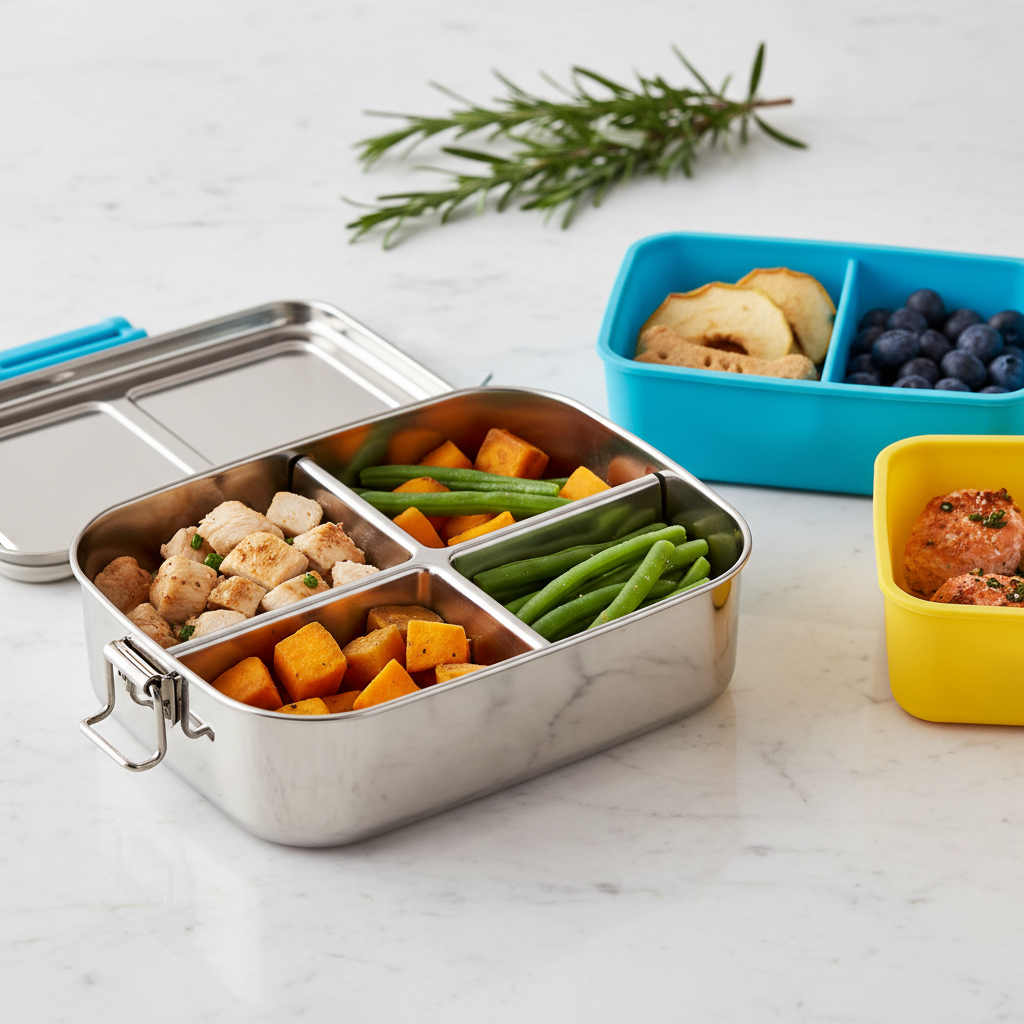
The standard approach to daycare lunch is flawed. You scoop some kibble, hope for the best, and pay for convenience with low-quality ingredients. A bento box system is a complete paradigm shift. It’s about intentionality. Here’s the core philosophy:
- Ingredient Sovereignty: You control 100% of what goes into your dog’s body. No more mystery meats, cheap grain fillers like corn and soy, or artificial preservatives. If your dog has an allergy to chicken, you use lamb. If they need more fiber, you add pumpkin. You have the ultimate authority.
- Nutrient Density: Commercial kibble undergoes an extreme heating process called extrusion, which can degrade vital nutrients. By using fresh, whole-food ingredients, you are providing vitamins, minerals, and enzymes in their most bioavailable form.
- Portion Precision: It’s incredibly easy to overfeed with a scoop. A bento box’s compartments naturally encourage portion control, helping you manage your dog’s weight—a critical factor in their long-term health and joint mobility.
- Mental Enrichment: A box with varied textures, smells, and tastes is a puzzle for your dog’s brain. Instead of mindlessly inhaling a bowl of uniform pellets, they are engaged and stimulated. This small act can reduce anxiety and boredom.
Choosing Your Hardware: The Right Container
Don’t use cheap plastic. Plastics can harbor bacteria in scratches and may contain BPAs or other harmful chemicals that can leach into food. Invest in quality containers that are safe and durable.
- Stainless Steel: This is the gold standard. It’s non-porous, incredibly durable, easy to sanitize, and will last forever. Look for food-grade 304 stainless steel. Brands that make lunch containers for humans are often perfect.
- Food-Grade Silicone: A great option for dividers or separate compartments. It’s flexible, non-toxic, and easy to clean. Ensure it’s 100% food-grade silicone with no plastic fillers.
Hacker Tip: Look for bento boxes with leak-proof lids and removable dividers. This gives you the flexibility to separate wet ingredients (like yogurt or puree) from dry ones, preventing a soggy mess.
The Cost-Hack Analysis: DIY Bento vs. Premium Pre-Made
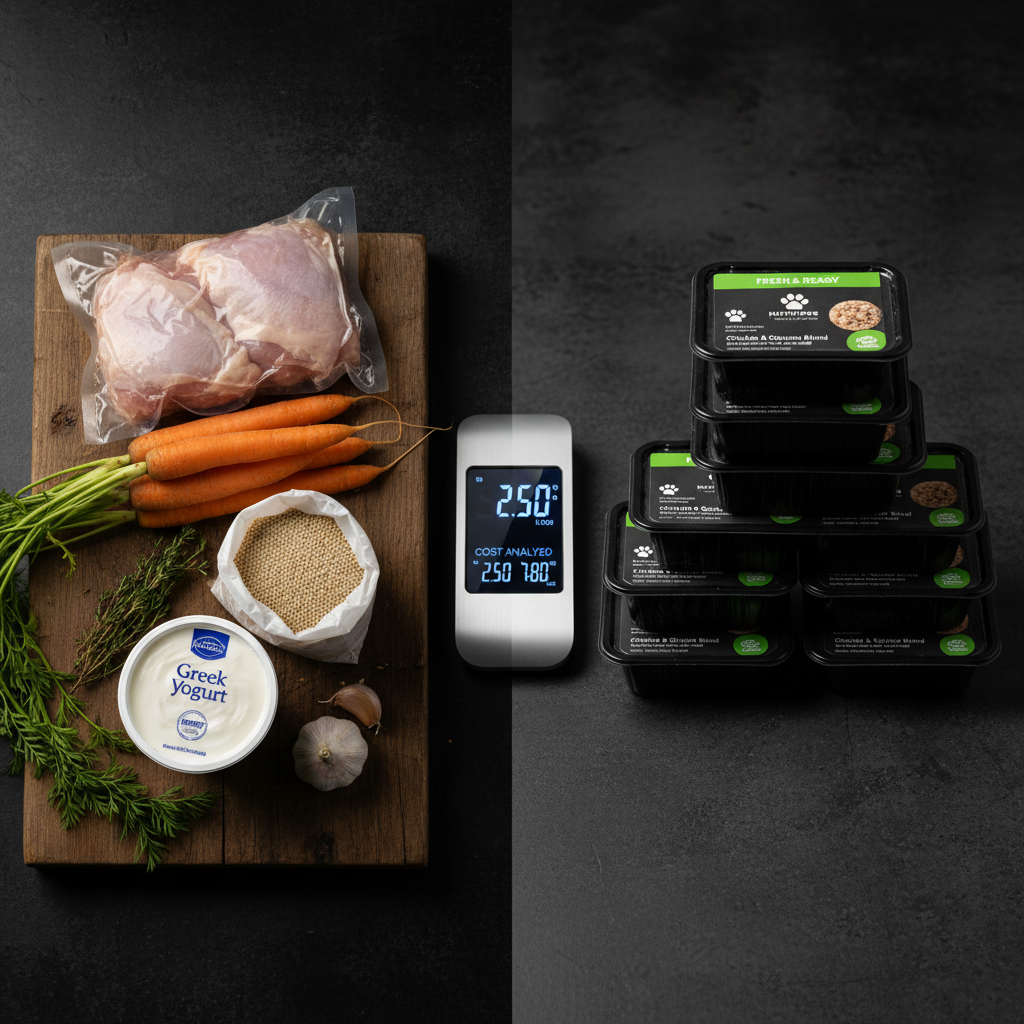
One of the biggest myths is that feeding fresh is prohibitively expensive. While the upfront cost of groceries might seem higher than a bag of kibble, the numbers change when you compare apples to apples. Let’s analyze the cost of a week’s worth of DIY bento lunches against a popular fresh, pre-made dog food subscription service for a hypothetical 40-50lb dog.
The analysis below assumes lunch is approximately one-third of the dog’s daily caloric intake. Prices are estimates and will vary based on location and retailer.
| Expense Category | DIY Bento Box (Weekly Cost) | Premium Fresh Food Service (Weekly Cost) | The Hacker’s Verdict |
|---|---|---|---|
| Protein Source | Chicken Breast/Ground Turkey: ~$10.00 |
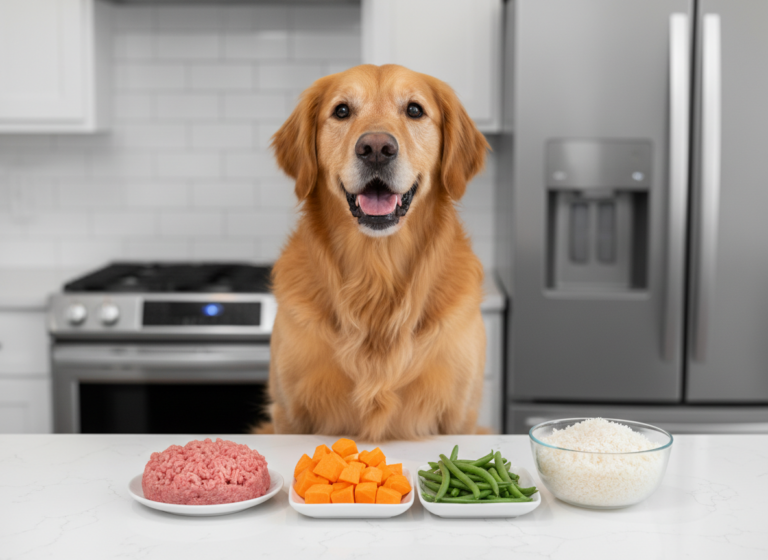
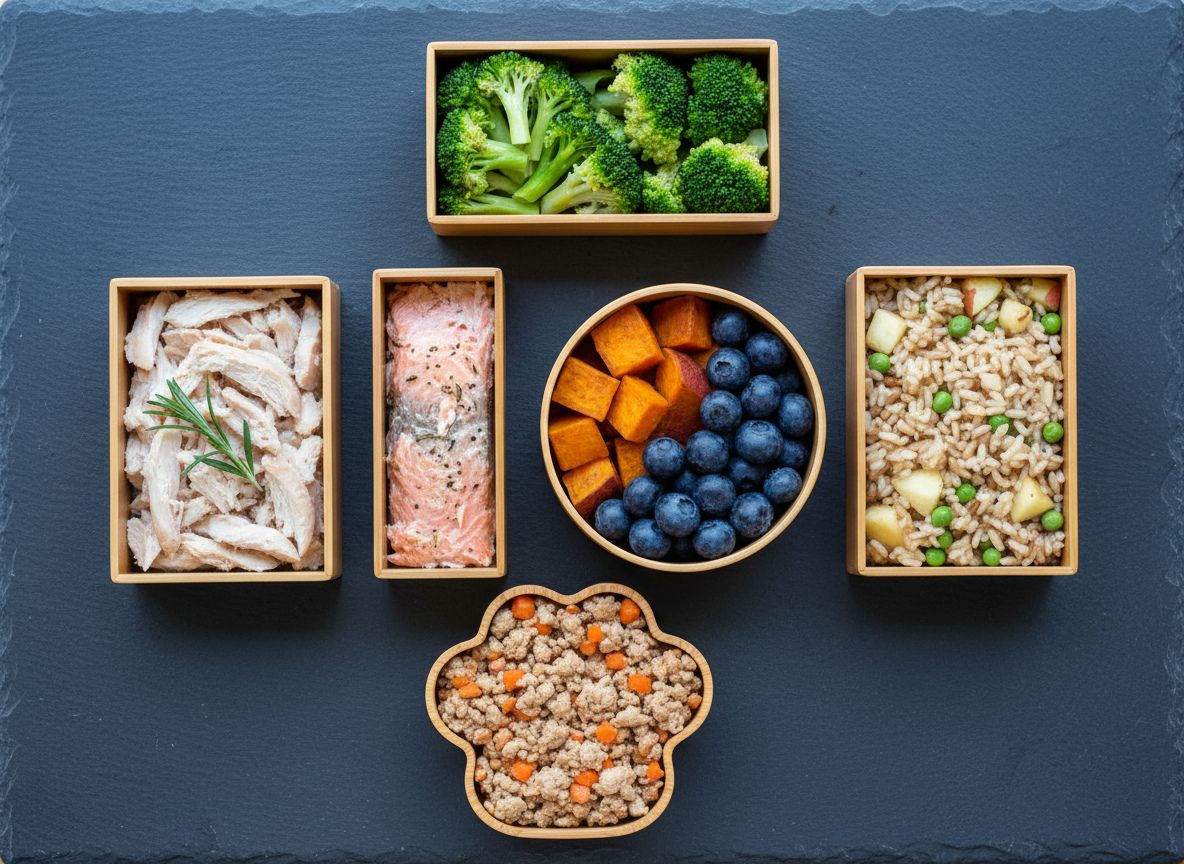
The Canine Nutrition Hacker’s Top 5 Bento Formulations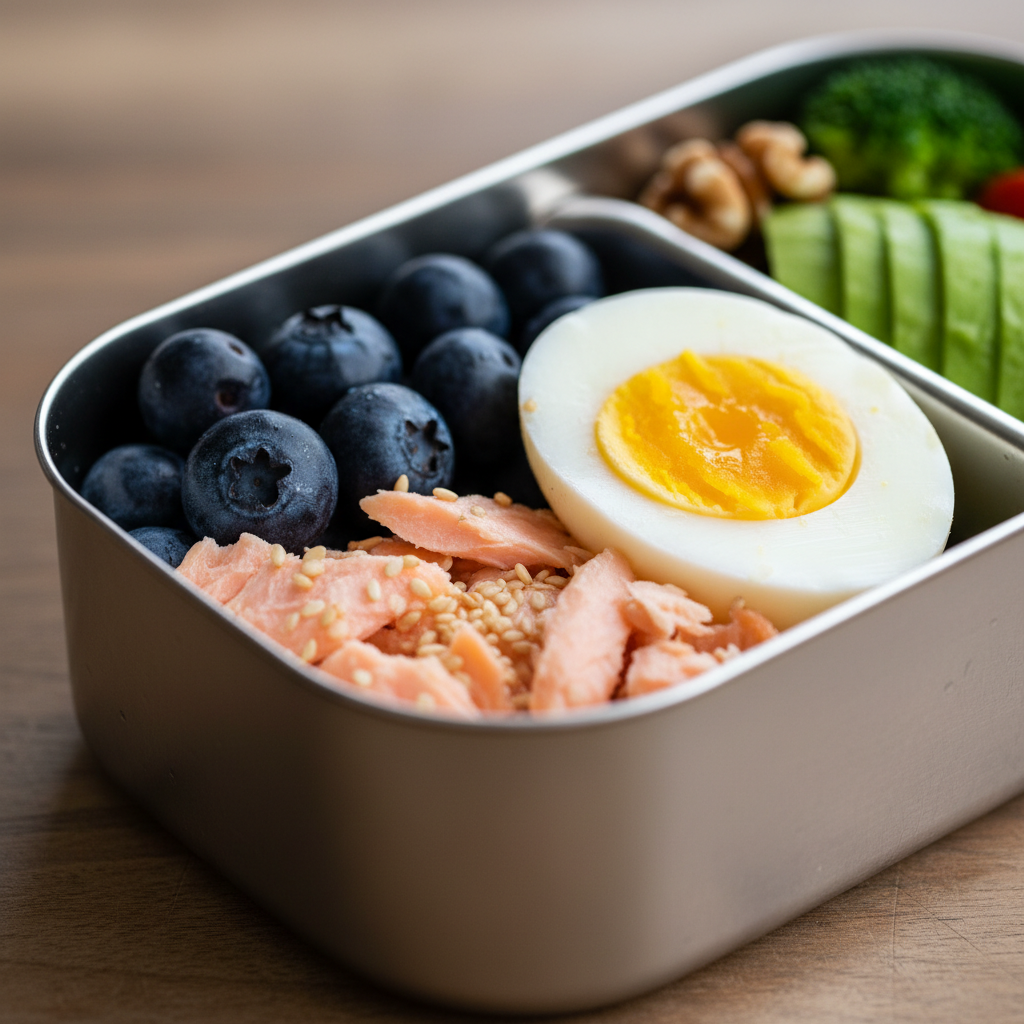 Here are five purpose-driven bento box templates. Use these as a starting point and customize them based on your dog’s specific needs and preferences. Each box should contain a protein, a complex carbohydrate, a fruit/vegetable, and a ‘superfood’ topper for added benefits. 1. The Power Packer (For Active Dogs)This box is designed for dogs who spend their day running and playing hard. It’s focused on lean protein for muscle repair and complex carbs for sustained energy.
2. The Sensitive Stomach SootherFor dogs prone to digestive upset, this formulation uses bland, gentle ingredients known to be easy on the gut.
3. The Brain Booster (For Puppies & Seniors)Focused on cognitive health, this box is packed with omega-3 fatty acids and antioxidants to support brain function.
4. The Dental DefenderWhile not a replacement for brushing, this box uses crunchy textures to provide a gentle, natural cleaning action.
5. The Allergy-Friendly FeastThis box utilizes a novel protein and limited ingredients to minimize the risk of triggering common food allergies (like chicken, beef, or dairy).
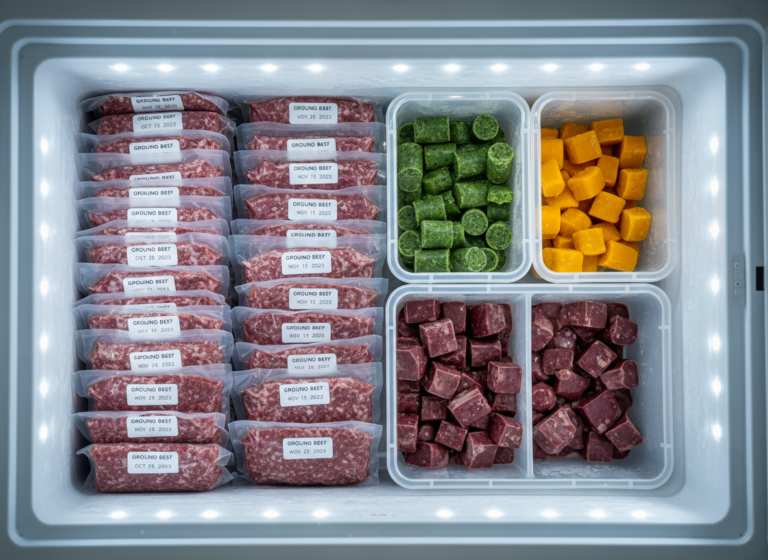
Meal Prep Mastery: The Batch & Freeze Protocol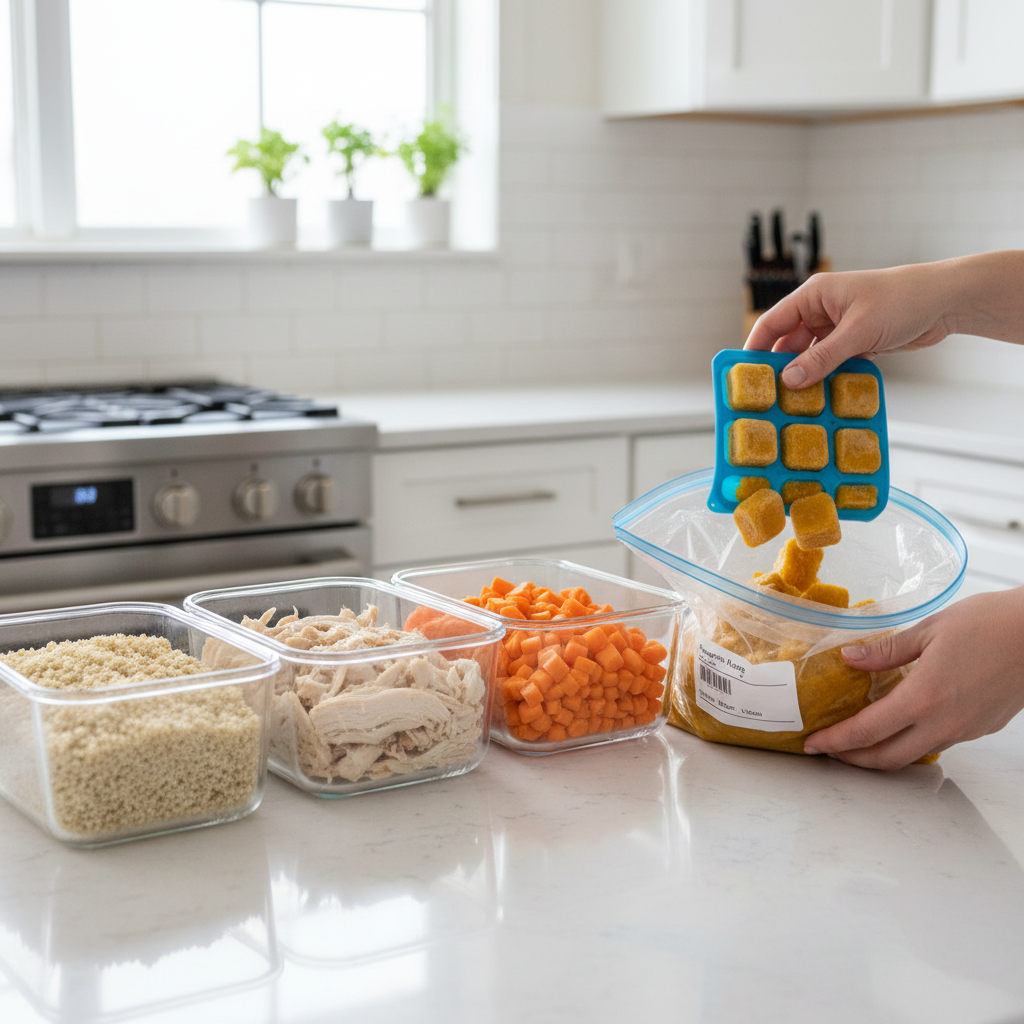 The key to making bento boxes a sustainable habit is efficient meal prep. You don’t need to cook from scratch every morning. Dedicate one or two hours on a Sunday to prepare the components for the week ahead. This is the assembly line approach. Step 1: Batch Cook Your BasesCook your proteins and carbohydrates in large batches. You can boil a large pack of chicken breasts, brown several pounds of ground turkey, and cook a large pot of quinoa or rice all at once. Let everything cool completely before portioning. Step 2: Portion & FreezeOnce cooled, portion the cooked proteins and grains into individual servings in freezer-safe bags or containers. This locks in freshness and makes daily assembly a simple grab-and-go process. Most cooked ingredients will last 3-4 days in the fridge or up to 3 months in the freezer.
Step 3: Prep Fresh ComponentsWash and chop your fresh fruits and vegetables for the next 2-3 days. Store them in airtight containers in the fridge. Things like carrots and green beans hold up well, but softer items like spinach are best added fresh daily. Step 4: The Nightly AssemblyThe night before daycare, simply assemble the boxes for the next day. Pull a frozen portion of protein and grains from the freezer and place it in the bento box (it will thaw safely in the fridge overnight). Add your pre-chopped veggies and any toppers. In the morning, it’s ready to go. This entire process should take less than five minutes per night. ConclusionSwitching to a bento box system for your dog’s daycare lunch is one of the most impactful changes you can make to their daily routine. You’re moving beyond the role of a mere pet owner and becoming a proactive guardian of their health and well-being. By taking control of the ingredients, you provide superior, targeted nutrition that commercial foods can’t match. You save money, reduce waste, and introduce a moment of joyful enrichment into their day. Don’t be intimidated. Start with one recipe this week. See how your dog responds. The investment of a little time on the weekend pays massive dividends in your dog’s health and your peace of mind. It’s time to stop scooping and start creating. Your dog deserves it. Similar Posts
|