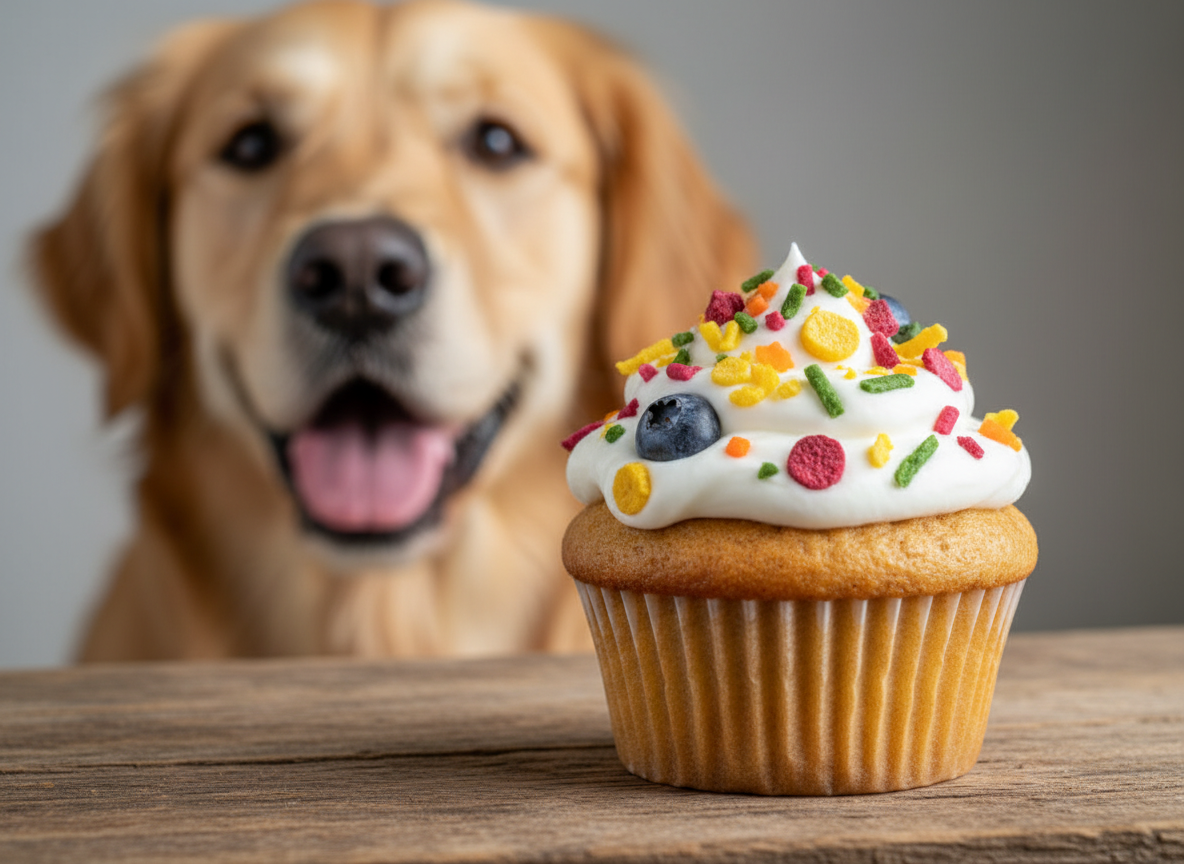
DIY Dog-Safe Sprinkles: Natural Decorating for Pups
Before we begin, let’s establish a critical ground rule: This guide is for creating supplemental treats and decorations, not a complete and balanced meal. These recipes are for special occasions and enrichment. Always consult with your veterinarian or a board-certified veterinary nutritionist before making significant changes to your dog’s diet, especially if they have underlying health conditions. Think of these as the fun, healthy garnish on a nutritionally sound diet.
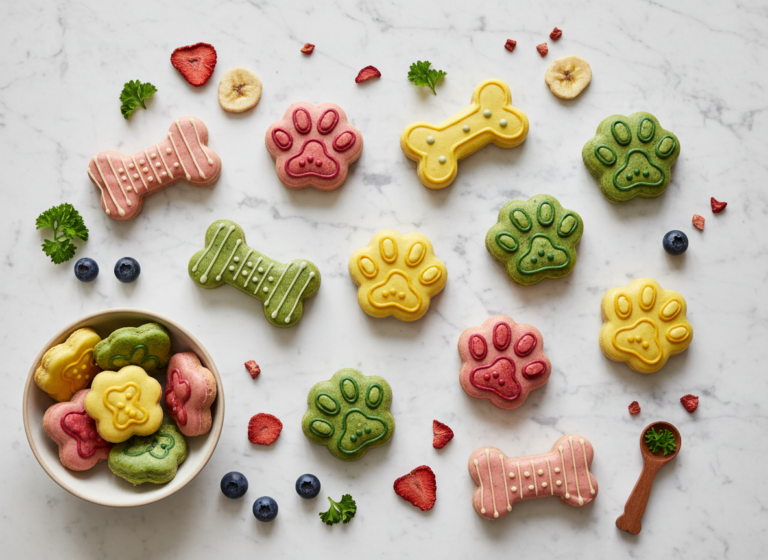
Now, let’s get down to business. You’ve seen them in boutique pet stores and online: elaborately decorated dog cakes and cookies fetching premium prices. They’re cute, but have you ever flipped the package over and analyzed the ingredients? As The Canine Nutrition Hacker, I have. What I’ve found are hidden sugars, mysterious ‘colorings,’ and cheap fillers disguised as festive fun. You are paying a premium for ingredients that offer little to no nutritional value and could even be detrimental to your dog’s health. The industry banks on you wanting to spoil your pup, but you can do it better, cheaper, and infinitely safer right in your own kitchen. This guide will empower you to take back control, transforming simple, whole-food ingredients into vibrant, eye-catching sprinkles that will make any treat a special celebration.
The Deception: Deconstructing Commercial ‘Pup-Cake’ Toppers
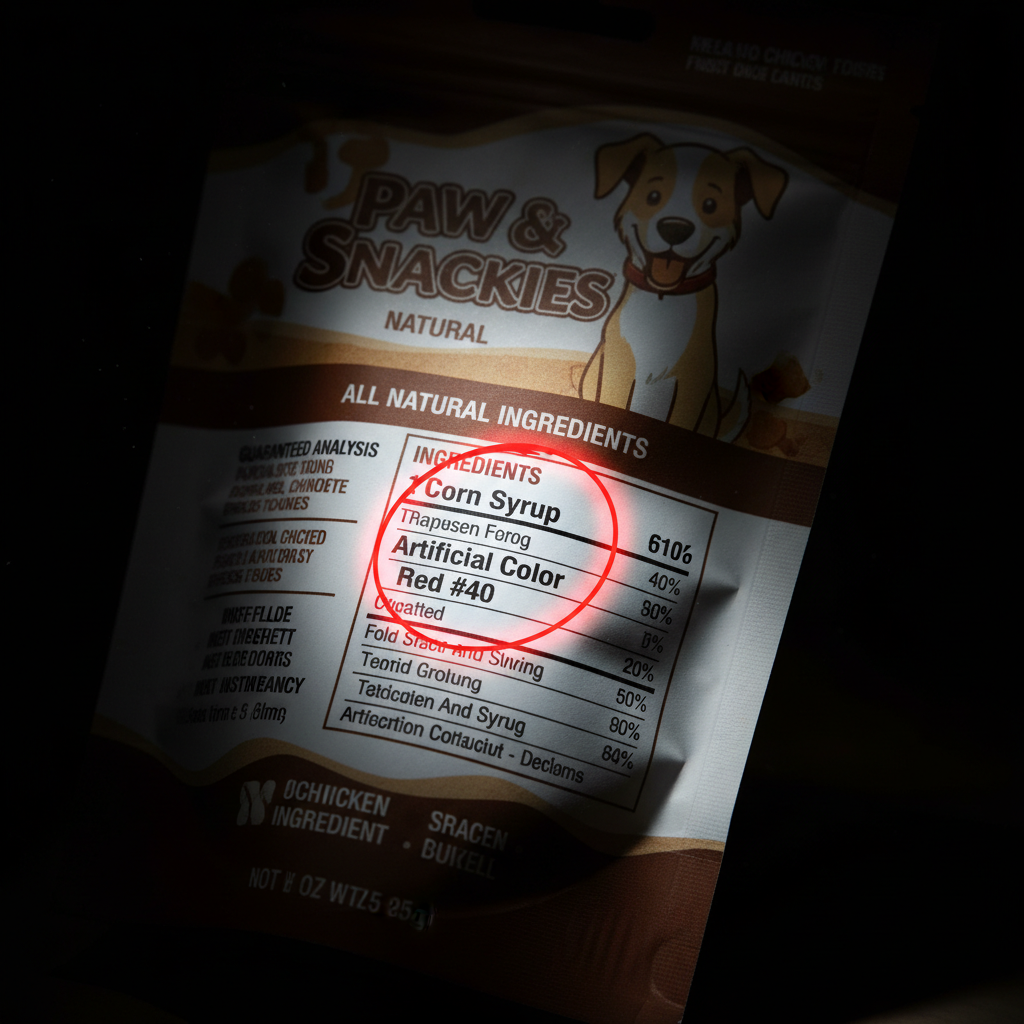
The pet treat industry is a multi-billion dollar machine, and a growing segment is ‘gourmet’ decorated treats. The packaging is designed to appeal to you, the human owner, with bright colors and festive shapes. But the ingredient list often tells a different story. Let’s perform some forensic analysis on common offenders found in commercial dog sprinkles and decorations.
The Usual Suspects on the Label:
- Sugar, Corn Syrup, & Molasses: The number one enemy. Dogs have no nutritional requirement for added sugars. They contribute to weight gain, dental problems, and can disrupt their metabolic system. Manufacturers use them for sweetness and as a binder. This is a non-negotiable red flag.
- Artificial Colors (e.g., Red 40, Yellow 5): While approved for use, several studies have linked artificial dyes to hyperactivity and other adverse health effects in both humans and animals. Why introduce unnecessary chemicals when nature provides a full spectrum of vibrant, healthy colors?
- Propylene Glycol: A controversial ingredient sometimes used to maintain moisture in semi-moist treats. While it’s ‘Generally Recognized As Safe’ (GRAS) by the FDA for dogs, it is famously toxic to cats and is a chemical cousin to antifreeze. There is absolutely no reason to have this in your dog’s food.
- Generic ‘Starch’: Often a cheap filler derived from corn or wheat. It’s a low-cost way to create bulk and texture, but it offers minimal nutritional value and can be a trigger for dogs with grain sensitivities.
- Carnauba Wax: The same stuff used on your car and your candy. It’s used to give sprinkles a glossy sheen. While generally considered safe in small amounts, it’s a purely cosmetic ingredient with zero nutritional benefit.
When you see these ingredients, you’re not paying for nutrition; you’re paying for marketing and chemistry. The ‘Canine Nutrition Hacker’ philosophy is simple: if an ingredient doesn’t serve a positive nutritional purpose, it doesn’t belong in your dog’s bowl—or on their birthday cupcake.
The Hacker’s Pantry: Your All-Natural Color Palette
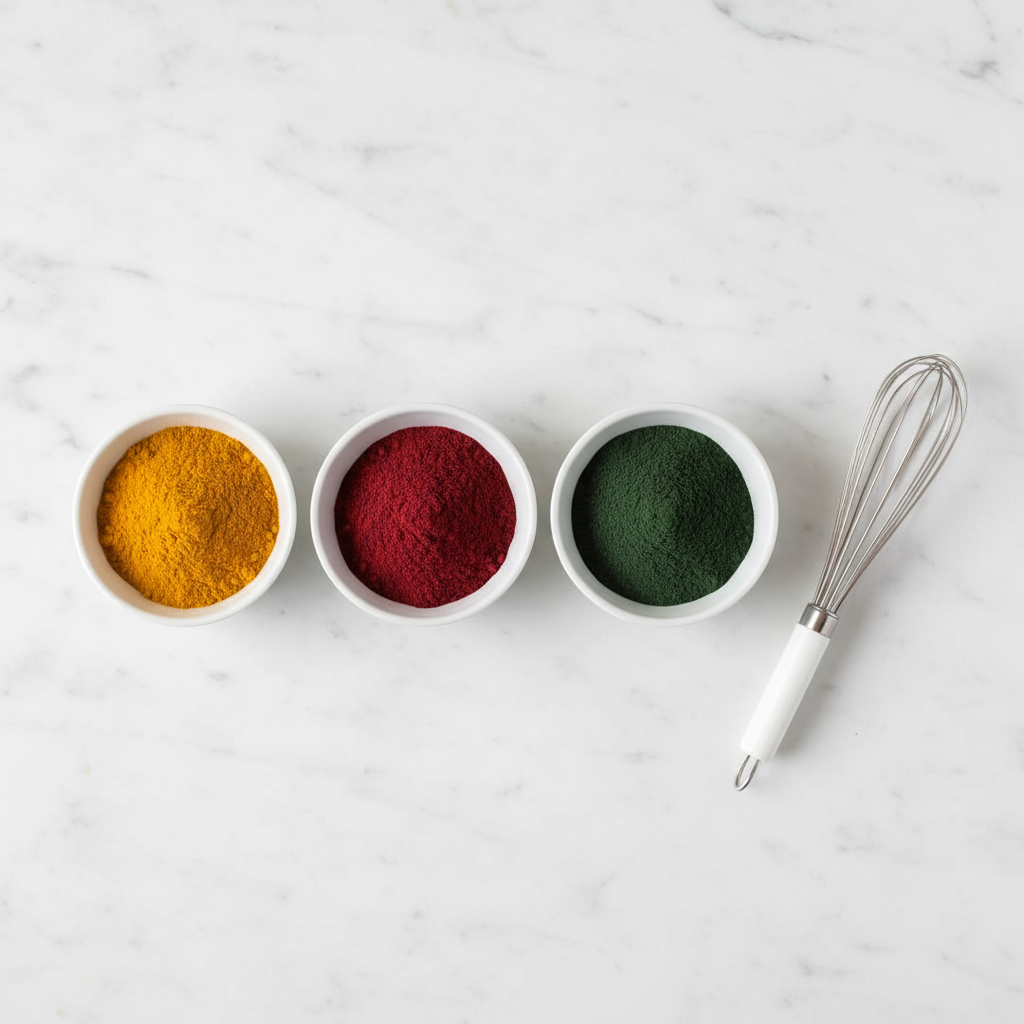
Building a library of dog-safe, natural colorants is the foundation of DIY sprinkle success. Forget chemical dyes; your kitchen and local health food store are treasure troves of vibrant, nutrient-packed alternatives. Here is your approved list for creating a full spectrum of colors, along with their nutritional benefits.
The Colors:
- Yellow/Orange: Use turmeric powder for a brilliant yellow. It’s a powerhouse anti-inflammatory. For a softer orange, use pureed pumpkin or sweet potato (ensure it’s 100% pure with no added sugar or spices). These are fantastic sources of fiber and Vitamin A.
- Pink/Red: Beetroot powder is your secret weapon for deep pinks and reds. It’s packed with antioxidants, vitamins, and minerals. Alternatively, you can use finely crushed, unsweetened dried cranberries for a textured red sprinkle.
- Green: Spirulina powder provides a rich, deep green and is a nutritional powerhouse, loaded with protein and vitamins. For a lighter, herby green, use finely powdered dried parsley or spinach. Parsley can also help freshen your dog’s breath.
- Purple/Blue: A small amount of pureed blackberry or blueberry can create beautiful purple and blue hues. These berries are antioxidant-rich and great for cognitive health. Use sparingly to control moisture content.
- Brown/Black: Carob powder is the only safe chocolate substitute for dogs. It gives a rich brown color and is high in fiber. Never use chocolate or cocoa powder, as they are toxic to dogs. Activated charcoal can be used for a deep black, but consult your vet as it can interfere with medication absorption.
The Base/Binder:
To turn these powders into a dough, you need a dog-safe base. The best options are grain-free and simple.
- Coconut Flour or Oat Flour: Highly absorbent and grain-free (in the case of coconut). Oat flour can be made by simply blending rolled oats into a fine powder.
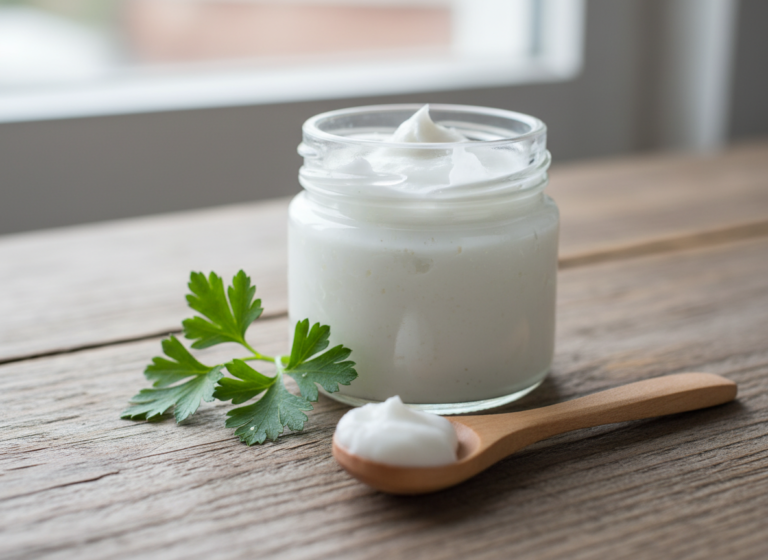
- Plain Greek Yogurt or Kefir: A great option for a wet binder, adding probiotics for gut health. Ensure it’s plain, with no added sugars or sweeteners like xylitol (which is highly toxic).
- Tapioca Starch: A gluten-free starch that can help create a firmer dough for piping specific shapes.
Master Recipes: From Simple Powders to Dehydrated Shapes
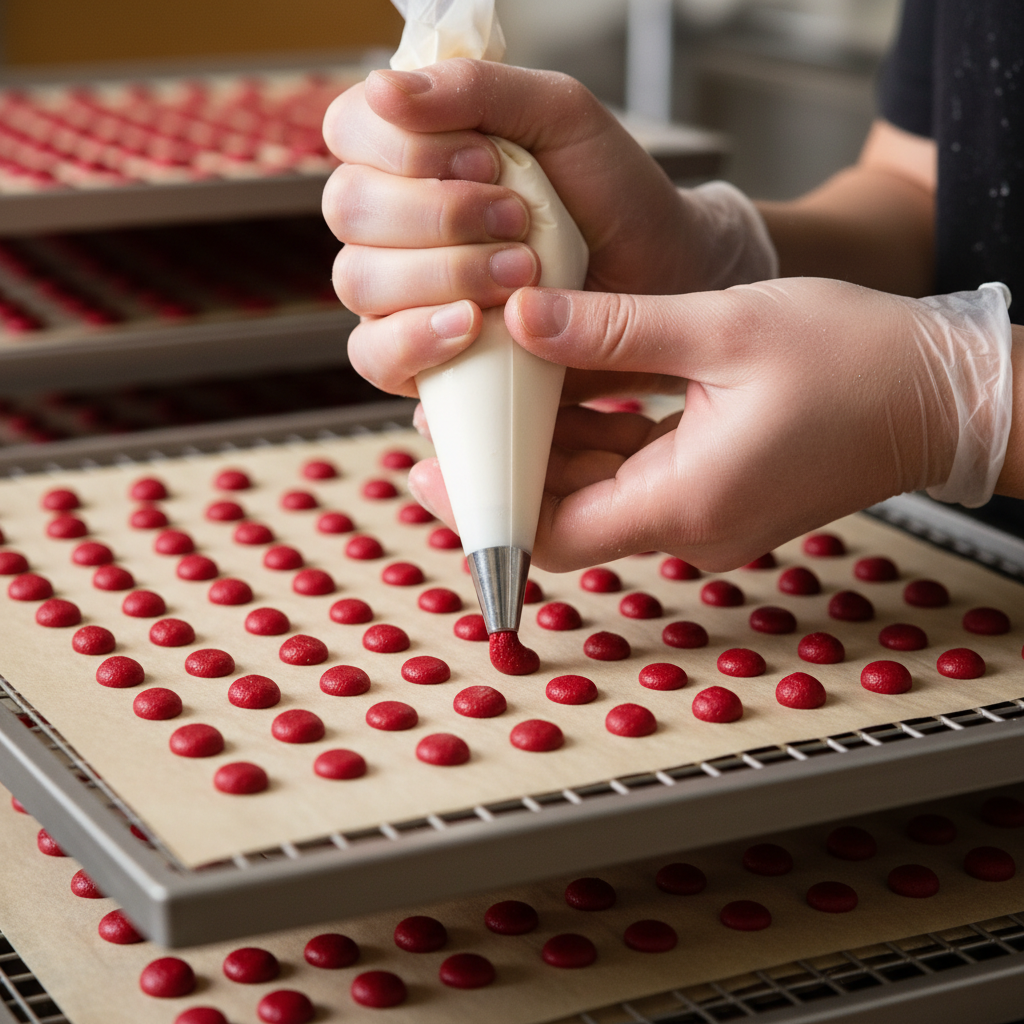
Here are three battle-tested methods to create your own dog-safe sprinkles, ranging from incredibly simple to a bit more advanced for those who want to get creative. Always remember to introduce any new ingredient to your dog slowly.
Recipe 1: The ‘Shake & Shred’ Topper (Easiest)
This is the fastest way to add color and texture. No baking, no dehydrating.
- Ingredients: Unsweetened shredded coconut. Your choice of color powder (beetroot, turmeric, spirulina).
- Instructions: Place a cup of shredded coconut in a resealable bag. Add 1/2 teaspoon of your chosen color powder. Seal the bag, removing most of the air. Shake vigorously for 1-2 minutes until the coconut is evenly coated. Add more powder for a more intense color. Store in an airtight container in the fridge for up to a week.
Recipe 2: Dehydrated Dough Sprinkles (Most Versatile)
This method creates the classic, crunchy sprinkle shape that can be stored for months.
- Base Ingredients: 1/4 cup coconut flour (or oat flour), 2 tablespoons tapioca starch, 3-4 tablespoons water (or plain kefir).
- Color Ingredients: 1 teaspoon of your chosen color powder (beetroot, carob, etc.).
- Instructions:
- In a bowl, whisk together the flour, starch, and color powder until fully combined.
- Slowly add the water or kefir, one tablespoon at a time, mixing until a thick, smooth, pipeable dough forms. It should be the consistency of toothpaste.
- Transfer the dough to a piping bag with a small round tip (or a heavy-duty plastic bag with a tiny corner snipped off).
- Pipe tiny dots or short lines onto a dehydrator sheet lined with parchment paper.
- Dehydrate at 135°F (57°C) for 4-6 hours, or until the sprinkles are completely dry and hard. They should snap easily. For oven use, set to the lowest possible temperature, prop the door open slightly, and check frequently as they will dry much faster.
- Let cool completely before storing.
Hacker Tip: Make several small batches of dough with different natural colorants. You can pipe multi-colored sprinkles on the same dehydrator sheet to create a festive mix with one go.
Recipe 3: Frozen Yogurt Dots (Cool Treats)
Perfect for a summer treat or for dogs who prefer softer textures.
- Ingredients: 1/2 cup plain Greek yogurt. 1 teaspoon of your chosen color powder OR 1 tablespoon of a fruit puree (blueberry, pumpkin).
- Instructions:
- In a small bowl, mix the yogurt and your colorant until smooth and uniform.
- Transfer the colored yogurt to a piping bag or squeeze bottle.
- On a parchment-lined baking sheet, pipe small dots.
- Freeze for at least 2 hours, or until solid.
- Once frozen, you can pop them off the parchment paper and store them in a freezer-safe bag or container. Use them to top a meal or as a quick, cool treat.
Cost Analysis: DIY Sprinkles vs. Boutique Toppers
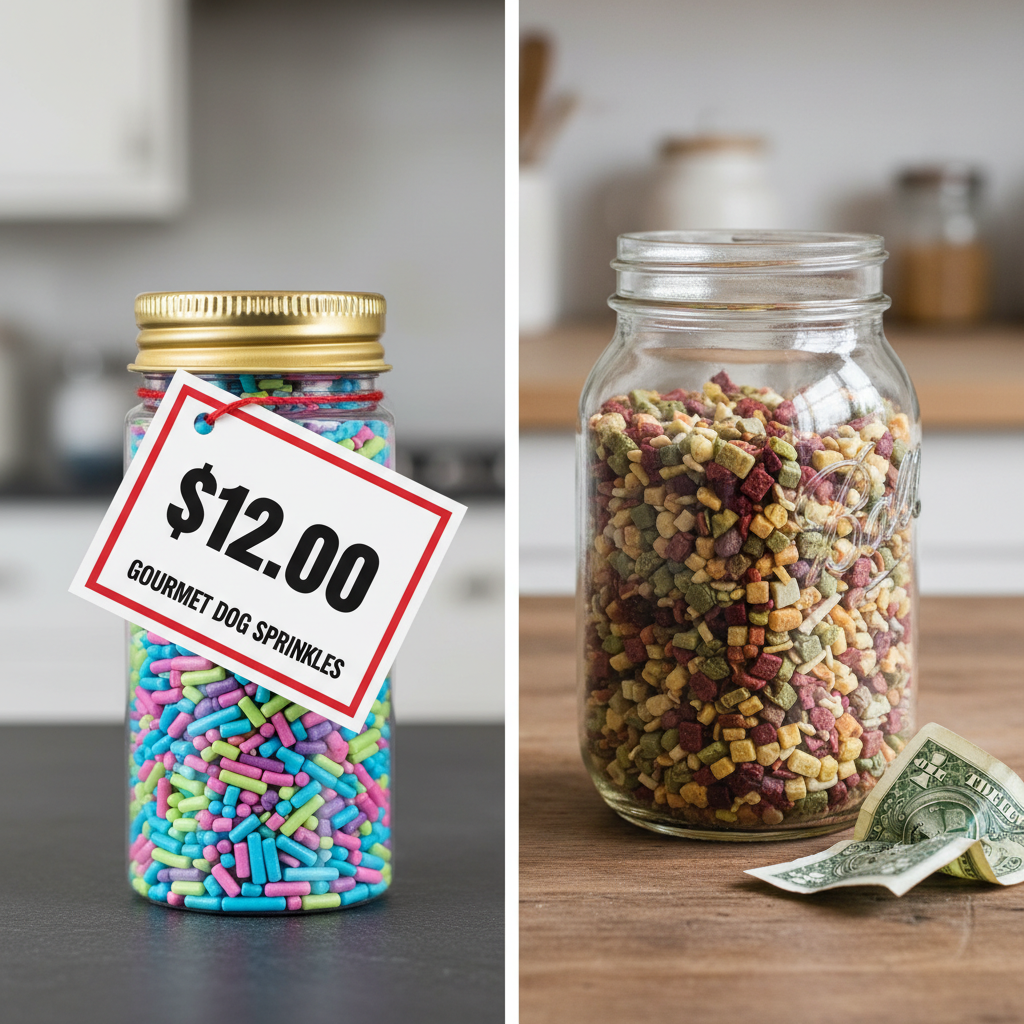
The ‘gourmet’ label on commercial pet treats comes with a gourmet price tag. But are you paying for quality ingredients or just clever marketing? A quick cost breakdown reveals the staggering savings and superior quality of going the DIY route. For this comparison, we’ll analyze the cost of making a batch of our Dehydrated Dough Sprinkles versus buying a typical 3-ounce container of decorative dog treat toppers from a boutique pet store.
| Metric | Boutique Store-Bought Sprinkles | DIY Hacker Sprinkles (Beetroot) |
|---|---|---|
| Typical Price | $10 – $15 for 3 oz. | Pennies per batch |
| Primary Ingredients | Sugar, Corn Starch, Artificial Colors, Carnauba Wax | Coconut Flour, Beetroot Powder, Water |
| Cost Per Ounce (Approx.) | $3.33 – $5.00 | ~$0.25 |
| Nutritional Value | Low. Primarily empty calories and sugar. | High. Fiber from coconut, vitamins and antioxidants from beetroot. |
| Yield & Long-Term Cost | A single, small container. | A $5 bag of coconut flour and a $7 jar of beetroot powder will yield dozens of batches, bringing the long-term cost down to almost nothing per use. |
| The Verdict | An expensive, low-value product that prioritizes aesthetics over health. | An incredibly cost-effective, high-value treat that prioritizes health and safety. The savings are astronomical. |
The numbers don’t lie. You can spend $12 on a small jar of sugary, artificially colored decorations, or you can invest that same $12 in base ingredients that will last you for a year or more. By making your own, you’re not just saving money—you’re making a direct investment in your dog’s health by controlling every single ingredient that goes into their body.
The Batch & Store: Long-Term Storage Secrets
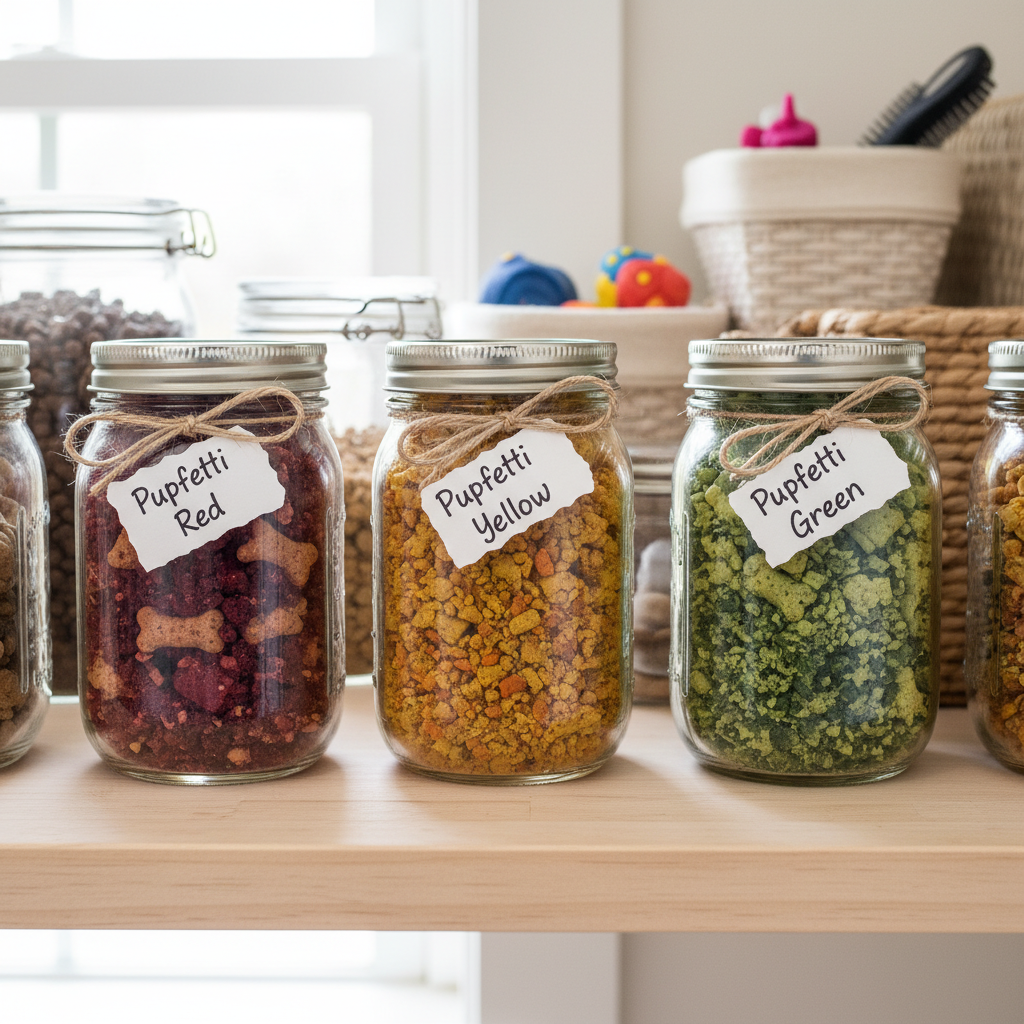
You’ve invested the time to create these beautiful, healthy sprinkles. The final step is to store them correctly to maintain freshness and prevent spoilage. Your storage method will depend on the recipe you used.
For Dehydrated Sprinkles (‘Shake & Shred’ and Dough):
The key to longevity is removing all moisture. If your dehydrated sprinkles are not 100% dry, they will mold.
- Cool Completely: Do not even think about storing them while they are still warm. Warmth creates condensation, which is the enemy. Let them air dry for an additional hour after dehydrating if you’re unsure.
- Airtight is Non-Negotiable: Glass mason jars with a tight-fitting lid are ideal. They provide an impermeable barrier to moisture and air.
- Location, Location, Location: Store the jar in a cool, dark place like a pantry or cupboard. Sunlight can degrade the natural colors over time.
- Shelf Life: When properly dried and stored, these sprinkles can easily last for 6-12 months.
Insider Secret: For maximum shelf life, toss a food-grade silica gel packet into the bottom of the jar. These are the little packets you find in jerky or seaweed snacks. They are non-toxic and absorb any trace amounts of moisture, keeping your sprinkles perfectly crisp.
For Frozen Yogurt Dots:
These are much simpler but require freezer space.
- Flash Freeze First: Freezing the dots on a baking sheet before transferring them to a bag is crucial. This prevents them from clumping together into a giant, frozen mass.
- Use a Freezer-Safe Bag or Container: Once solid, you can transfer them into a labeled freezer bag. Squeeze out as much air as possible before sealing to prevent freezer burn.
- Shelf Life: These will keep well in the freezer for up to 3 months. After that, they are still safe to eat but may develop ice crystals that affect the texture.
By batching and storing your sprinkles, you create a ready-to-use ‘celebration station’ for your pup. You can easily grab a pinch to make a regular meal feel special, decorate a birthday treat, or add a fun topper to a lick mat for mental enrichment.
Conclusion
You are now equipped with the knowledge and techniques to completely bypass the deceptive marketing of the commercial pet treat industry. You no longer need to wonder if a festive treat is safe for your dog; you can guarantee it. By using simple, whole-food ingredients, you’re not only creating beautiful decorations but also adding a small, nutrient-dense boost to your dog’s special occasions. This is the core philosophy of The Canine Nutrition Hacker: taking control, demanding better ingredients, and providing the absolute best for our dogs without breaking the bank. So go ahead, turn your kitchen into a canine confectionary, and celebrate your best friend with treats that are as healthy and honest as they are beautiful.