Low Fat Diet Plan for Dogs With Gallbladder Sludge
When your veterinarian mentions ‘gallbladder sludge,’ the term itself sounds unsettling. This accumulation of particulate matter—a thick mixture of bile, cholesterol, and mucus—can be a silent precursor to serious health issues like gallbladder stones, obstruction, or life-threatening pancreatitis. The single most powerful tool in your arsenal to combat this condition is not a complex medication, but something you control every single day: your dog’s diet. Forget marketing fluff and glossy packaging. We’re here to hack the system.
This is not your average pet blog post. This is a strategic breakdown for owners who demand results. We will dissect ingredient labels, expose the ‘enemy’ ingredients that fuel gallbladder issues, and champion the ‘hero’ nutrients that help manage them. We’ll put commercial foods under the microscope and even explore a controlled, homemade approach. Your dog’s health depends on your ability to see past the marketing and understand the nutritional science. Let’s get to work.
MEDICAL DISCLAIMER: I am The Canine Nutrition Hacker, not a veterinarian. The information in this article is for educational purposes only and is based on extensive research and analysis. A diagnosis of gallbladder sludge requires veterinary care. Always consult with your trusted veterinarian before making any changes to your dog’s diet, especially when managing a medical condition. This plan should be implemented under their direct supervision.
Deconstructing Gallbladder Sludge: The ‘Why’ Behind the Diet
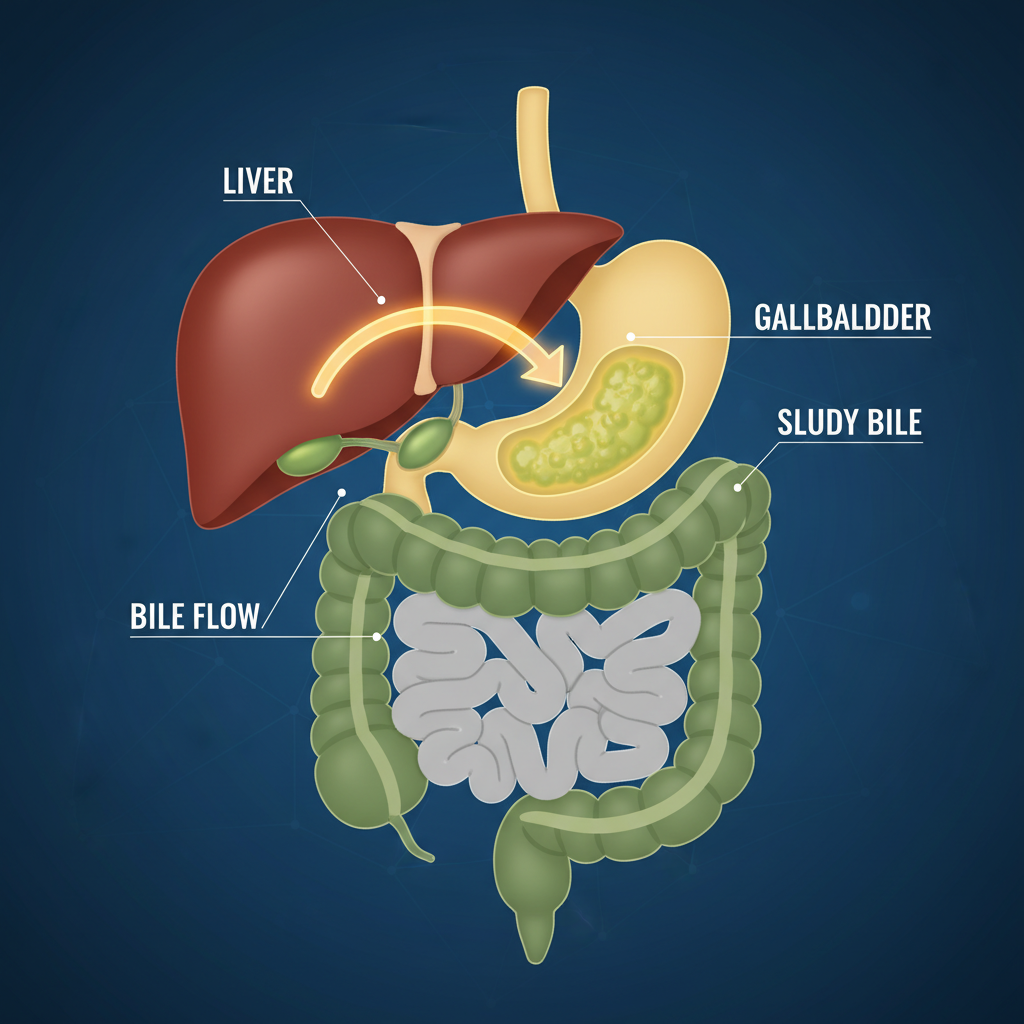
Before we can formulate a battle plan, we must understand the enemy. The gallbladder is a small organ nestled near the liver, with a critical job: storing and concentrating bile. Bile is essential for breaking down and digesting fats in your dog’s diet. When this system works correctly, bile is released into the small intestine as needed. Gallbladder sludge, or biliary sludge, occurs when the bile becomes too thick and saturated with cholesterol crystals, bilirubin, and mucus, preventing it from flowing freely.
What Causes This Sludge Build-Up?
While the exact cause can be multifactorial, several key culprits are consistently identified:
- High-Fat Diets: This is the number one trigger. A diet consistently high in fat forces the gallbladder to work overtime. Over time, this can lead to an over-saturation of cholesterol in the bile, forming the basis of sludge.
- Certain Medical Conditions: Hypothyroidism, Cushing’s disease, and diabetes can alter a dog’s metabolism and increase the risk of sludge formation.
- Breed Predisposition: Certain breeds, such as Shetland Sheepdogs, Cocker Spaniels, and Miniature Schnauzers, are genetically more prone to gallbladder issues.
- Medications: Some long-term medications can impact liver and gallbladder function.
The Pancreatitis Connection: A Dangerous Escalation
The biggest risk associated with unmanaged gallbladder sludge is its potential to trigger pancreatitis. If the sludge obstructs the bile duct, it can cause a ‘back-up’ of digestive enzymes, leading to severe inflammation of the pancreas. Pancreatitis is an excruciatingly painful and potentially fatal condition. This is why a low-fat diet isn’t just a suggestion; it’s a non-negotiable pillar of management. By reducing the dietary fat, you decrease the gallbladder’s workload, reduce bile stimulation, and lower the risk of this dangerous complication. The goal is to make the bile thinner and more mobile, allowing it to flow freely and, in some cases, helping to clear the existing sludge over time.
The Enemy List: Ingredients to Purge From Your Dog’s Bowl

To effectively manage gallbladder sludge, you must become a forensic investigator of your dog’s food label. Many commercial dog foods, even some marketed as ‘healthy,’ are packed with ingredients that can exacerbate this condition. Your first mission is to identify and eliminate these nutritional antagonists.
The Primary Offender: Excessive & Low-Quality Fats
Fat content is public enemy number one. You must look for foods with a low guaranteed analysis for crude fat, typically under 10% on a dry matter basis (your vet will provide a specific target). However, the type of fat matters as much as the quantity.
- Unnamed Animal Fat: If the label says ‘animal fat’ without specifying the source (e.g., ‘chicken fat’), it’s a major red flag. This is a low-quality, rendered product from unknown sources.
- Greases and Lard: Avoid any food containing tallow, lard, or vegetable oils high in saturated fats like palm oil.
- Fatty Meats: Meats like lamb, duck, and fatty cuts of beef are often too rich for a dog with gallbladder issues. Even high-quality salmon can be too high in fat for some sensitive dogs.
- Processed Treats: Many commercial dog treats are loaded with fat to make them more palatable. Pig ears, bully sticks, and cheese-filled snacks are strictly off-limits.
Other Problematic Ingredients
Beyond overt fats, other ingredients can contribute to digestive distress and inflammation, which you want to avoid.
- Artificial Preservatives: Chemicals like BHA, BHT, and ethoxyquin can put an unnecessary strain on the liver and digestive system. Look for foods preserved naturally with tocopherols (Vitamin E).
- Fillers with Low Nutritional Value: Ingredients like corn, wheat gluten, and soy are often used as cheap protein sources but can be inflammatory for some dogs and offer little in the way of beneficial nutrients.
- Artificial Colors and Flavors: These chemical additives serve no nutritional purpose and only add to the body’s processing load. A healthy diet doesn’t need fake coloring.
Hacker Tip: Don’t trust the marketing on the front of the bag. The ‘Guaranteed Analysis’ and the ‘Ingredient List’ are the only sources of truth. Learn how to calculate the Dry Matter Basis (DMB) of fat content online to accurately compare different foods, especially when comparing wet food to dry kibble.
The Hero Roster: Building a Gallbladder-Friendly Diet
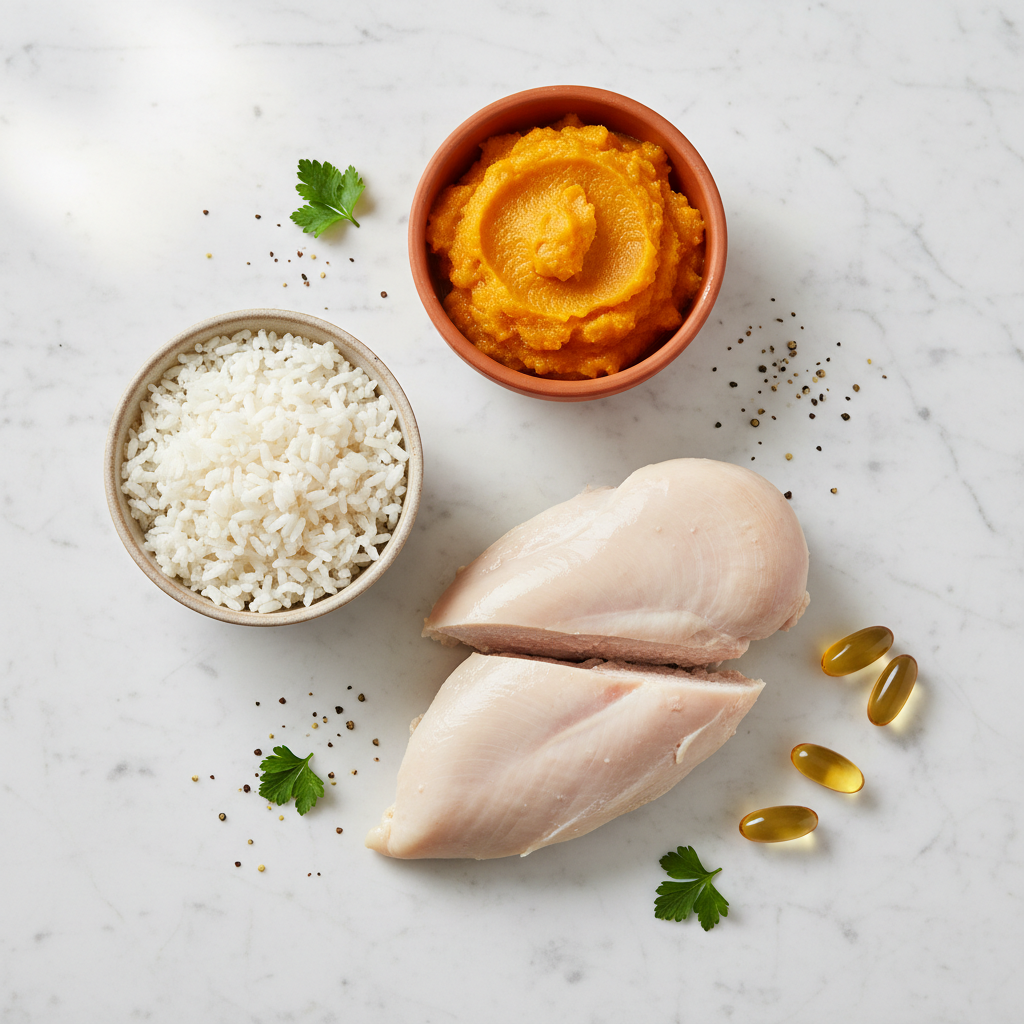
Now that you’ve eliminated the enemies, it’s time to recruit the heroes. These are the ingredients that will form the foundation of your dog’s new, gallbladder-friendly diet. The focus is on lean protein, digestible carbohydrates, beneficial fiber, and supportive nutrients.
Lean, High-Quality Proteins
Protein is vital for muscle maintenance, but the source must be lean. The goal is to provide essential amino acids without the associated high-fat content.
- Skinless Chicken or Turkey Breast: The gold standard for lean protein. Ensure it is plain, boiled, or baked with no skin or added fats.
- Whitefish: Cod, haddock, tilapia, and pollock are excellent, low-fat fish options. They are also easily digestible.
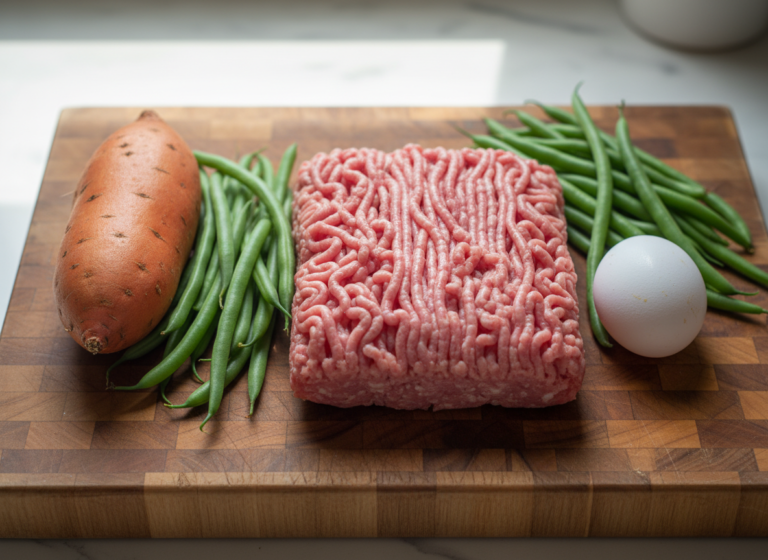
- Lean Ground Beef (95/5 or 97/3): If using beef, it must be extra lean, and you should rinse it after cooking to remove as much residual fat as possible.
- Egg Whites: A fantastic source of pure, highly digestible protein without the fat from the yolk.
Digestible Carbohydrates and Fiber
Carbohydrates provide energy, while the right kind of fiber aids digestion and promotes healthy bile flow.
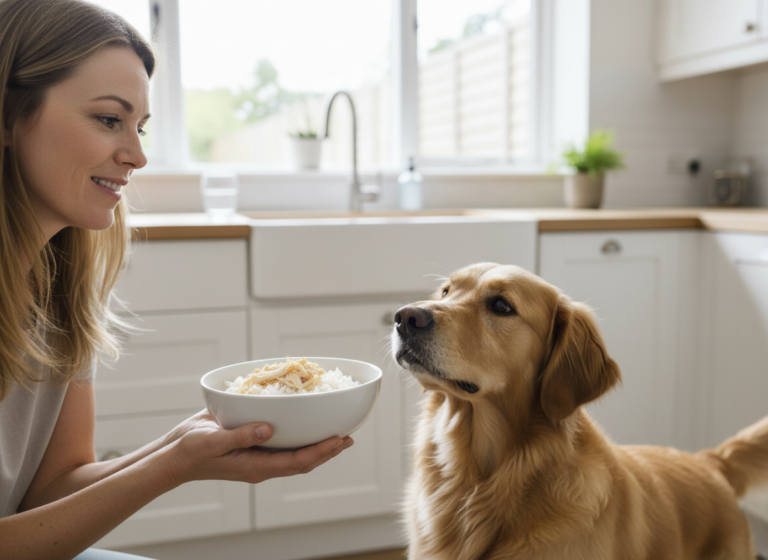
- White Rice: Plain, cooked white rice is bland and easy on the digestive system, making it a perfect base.
- Pumpkin Purée: (100% pure pumpkin, not pie filling). This is a superfood for digestive health. Its soluble fiber helps regulate bowel movements and can support a healthy gut.
- Sweet Potatoes: A nutrient-dense option, packed with vitamins and fiber. They should be boiled or baked and served plain.
- Oatmeal: A good source of soluble fiber, which can help bind to excess cholesterol. Serve cooked and plain.
Supportive Supplements (With Vet Approval)
Certain supplements can provide targeted support for liver and gallbladder health. Do not add any supplements without your veterinarian’s explicit approval and dosage instructions.
- Milk Thistle: An herb well-known for its liver-protectant properties, which can help support the entire biliary system.
- SAM-e (S-Adenosylmethionine): Often recommended by vets to improve liver function and bile flow.
- Omega-3 Fatty Acids: This may seem counterintuitive, but the *right* fats in the *right dose* can have anti-inflammatory effects. A high-quality fish oil (from a low-fat source like cod) may be recommended by your vet to help reduce inflammation, but the dosage must be precise.
The Forensic Review: Vetting Commercial Low-Fat Dog Foods
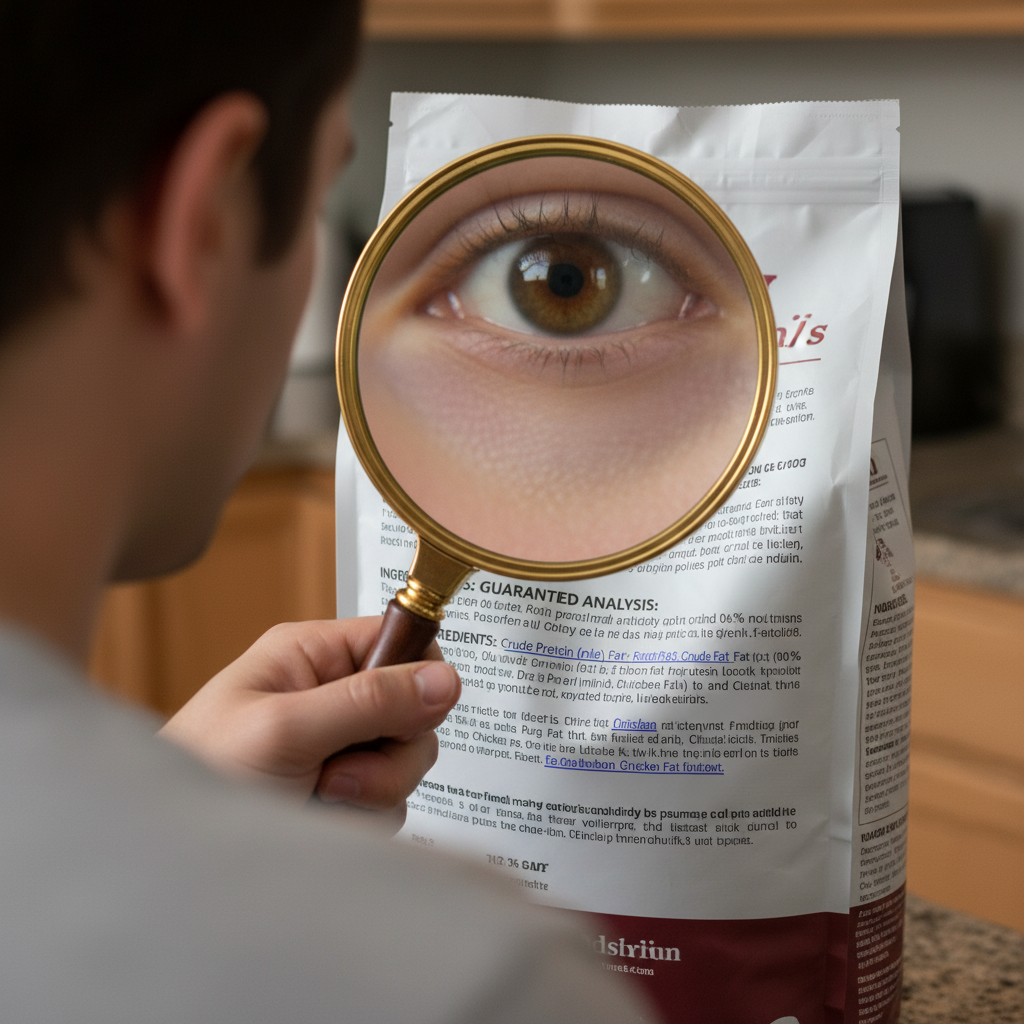
Navigating the pet food aisle is daunting, especially with a specific medical need. Your job is to ignore the flashy claims and focus on the data. Commercial low-fat diets generally fall into two categories: veterinary prescription diets and over-the-counter (OTC) ‘healthy weight’ or ‘low-fat’ formulas.
Veterinary Prescription Diets
These are formulated specifically for medical conditions and are available only through a veterinarian. They have undergone clinical feeding trials and are designed for maximum digestibility and precise nutrient control.
- Pros: Scientifically formulated and proven effective for managing conditions like pancreatitis and gallbladder disease. Nutrient levels (especially fat) are guaranteed and precise.
- Cons: Can be very expensive. Often use less-than-premium ingredients (like corn or brewer’s rice) because the focus is on digestibility and nutrient profile, not on ‘gourmet’ ingredients. May require a transition period for picky eaters.
Over-the-Counter (OTC) Low-Fat Foods
These are foods you can buy without a prescription, often labeled as ‘Healthy Weight,’ ‘Weight Management,’ or ‘Lite.’ While some can be suitable, they require much more scrutiny.
- Pros: More affordable and widely available. Often use more marketable ingredients (e.g., ‘real chicken is the #1 ingredient’).
- Cons: The term ‘low fat’ is not strictly regulated. Their fat content may still be too high for a dog with gallbladder sludge. They are not formulated for a specific medical condition and may lack the targeted nutritional support of a prescription diet.
Insider Secret: When evaluating an OTC food, always calculate the fat on a Dry Matter Basis (DMB). A food that lists 8% crude fat and 75% moisture is actually 32% fat on a DMB (8 / (100-75) * 100), which is dangerously high. A dry food with 8% crude fat and 10% moisture is only 8.9% fat DMB. This calculation is critical.
Here is a forensic comparison of the typical profiles of these food types:
| Attribute | Veterinary Prescription Diet (e.g., Royal Canin GI Low Fat) | High-Quality OTC ‘Lite’ Diet (e.g., Wellness CORE Reduced Fat) | Typical Budget Brand ‘Healthy Weight’ |
|---|---|---|---|
| Primary Goal | Medical management of specific GI diseases. | Weight management for healthy adult dogs. | Calorie reduction for weight control. |
| Fat Content (DMB) | Strictly controlled, typically 4-8% | Moderately controlled, typically 9-12% | Variable, can be 8-14% or higher. |
| Digestibility | Extremely high, uses easily processed ingredients. | High, uses quality whole foods. | Variable, may use fillers like corn and soy. |
| Cost Per Day (50lb dog) | ~$3.50 – $5.00 | ~$2.75 – $4.00 | ~$1.50 – $2.50 |
| Verdict | The safest and most effective option for active disease management. The high cost reflects the research and strict quality control. | A potential step-down option for long-term maintenance with vet approval. Requires careful label analysis. | Generally unsuitable and risky. Fat content is often too high or inconsistent for a medical condition. |
The DIY Option: A Controlled, Homemade Approach
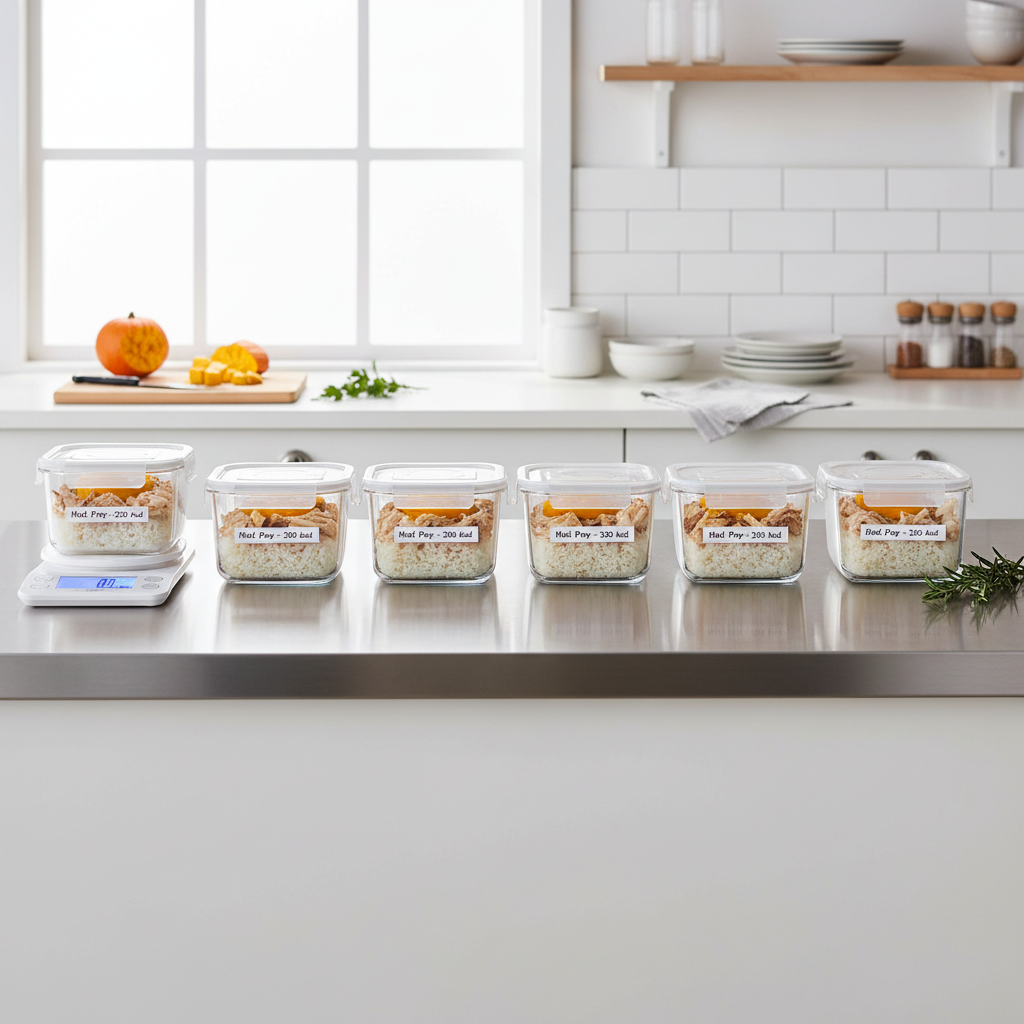
For the owner who wants ultimate control over every ingredient, a carefully planned homemade diet can be an excellent option. However, this path carries significant responsibility. An unbalanced homemade diet can cause severe nutritional deficiencies. This is not ‘cooking for your dog’; this is formulating medical nutrition.
CRITICAL SAFETY WARNING: You MUST formulate a homemade diet in partnership with your veterinarian or a board-certified veterinary nutritionist. They will ensure the diet is complete and balanced for your dog’s specific needs, incorporating essential vitamins and minerals that food alone cannot provide. Do not attempt this without professional guidance.
The Core Blueprint of a Homemade Low-Fat Meal
A typical starting point recipe provided by a vet often follows a simple ratio. The exact ingredients and amounts will be tailored to your dog’s weight, age, and condition.
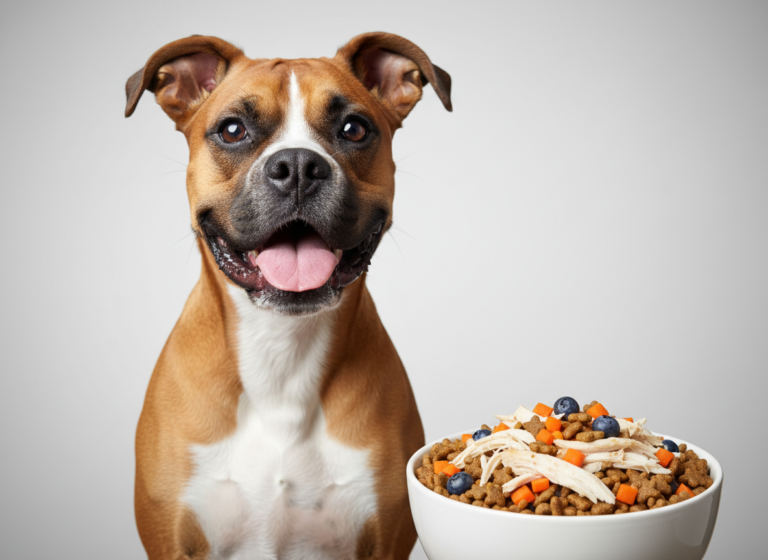
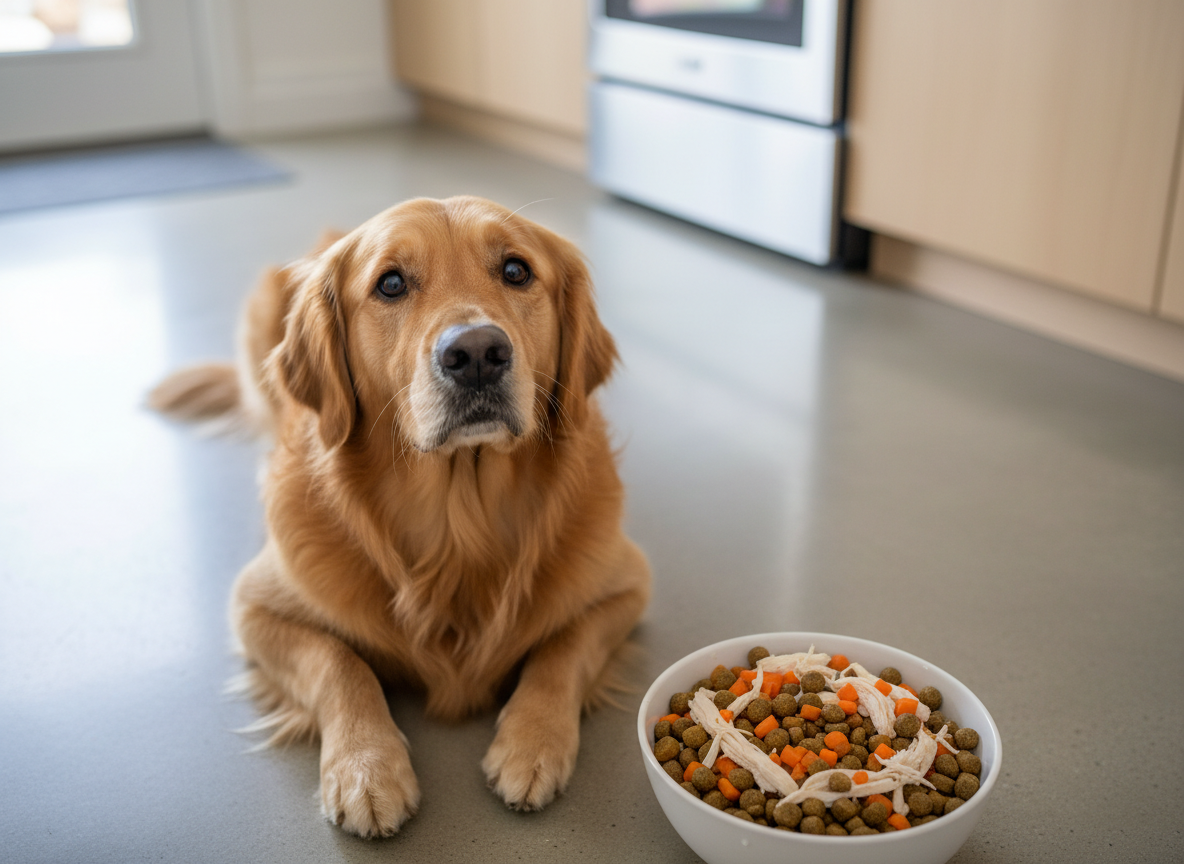
- The Lean Protein Base (Approx. 50% of the meal): Start with a foundation of boiled, skinless chicken breast or 97/3 ground turkey. The protein should be cooked thoroughly, and any residual fat drained or rinsed away.
- The Digestible Carbohydrate (Approx. 25-40% of the meal): Plain, cooked white rice is the most common recommendation due to its blandness and digestibility. Cooked sweet potato is another excellent option.
- The Fiber & Veggie Component (Approx. 10-25% of the meal): A tablespoon or two of 100% pure pumpkin purée or well-cooked, puréed green beans or carrots can add valuable fiber and nutrients.
- The Essential Supplements (As prescribed by your vet): This is the non-negotiable part. A calcium/phosphorus supplement, a multivitamin, and potentially specific additions like taurine or Omega-3s will be required to make the diet complete.
Batch Cooking: The Time-Saving Hack
Preparing fresh meals daily is unsustainable for most people. The key is batch cooking.
- Cook large quantities of your protein and carbohydrate sources once or twice a week.
- Portion the meals into individual containers or freezer bags based on the daily amount your vet recommends.
- You can refrigerate 2-3 days’ worth of meals and freeze the rest.
- To serve, simply thaw a portion overnight in the refrigerator or gently warm it before mealtime. This ensures consistency and makes compliance with the diet plan manageable long-term.
While potentially more work, the homemade route offers unparalleled transparency and control, which can be a game-changer for a dog with a sensitive, chronic condition.
Conclusion
Managing a condition like gallbladder sludge requires you to become more than just a pet owner; you must become your dog’s dedicated nutritional advocate. The power to significantly improve your dog’s health and comfort lies in the choices you make about what goes into their bowl. By purging high-fat, low-quality ingredients and embracing a roster of lean, digestible ‘hero’ foods, you directly impact the workload on their biliary system.
Whether you choose the clinically proven route of a veterinary prescription diet, carefully vet an over-the-counter option, or embark on a vet-supervised homemade journey, the principles remain the same: fat must be strictly limited, and ingredient quality is paramount. This is a long-term management strategy, not a temporary fix. Stay vigilant, read every label, and maintain an open dialogue with your veterinarian. Your dog is counting on your diligence, and by hacking their nutrition, you are giving them the best possible chance at a healthy, comfortable life.