Save the Reefs: DIY Lionfish Dog Treats Your Pup Will Devour
You analyze labels. You scrutinize sourcing. You’re not just a pet owner; you’re a Canine Nutrition Hacker. You know that what goes into your dog’s bowl is the foundation of their health. But what if I told you that one of the most potent, hypoallergenic, and nutrient-dense proteins isn’t found in the pet food aisle, but is actively destroying one of the planet’s most vital ecosystems? Meet the lionfish.
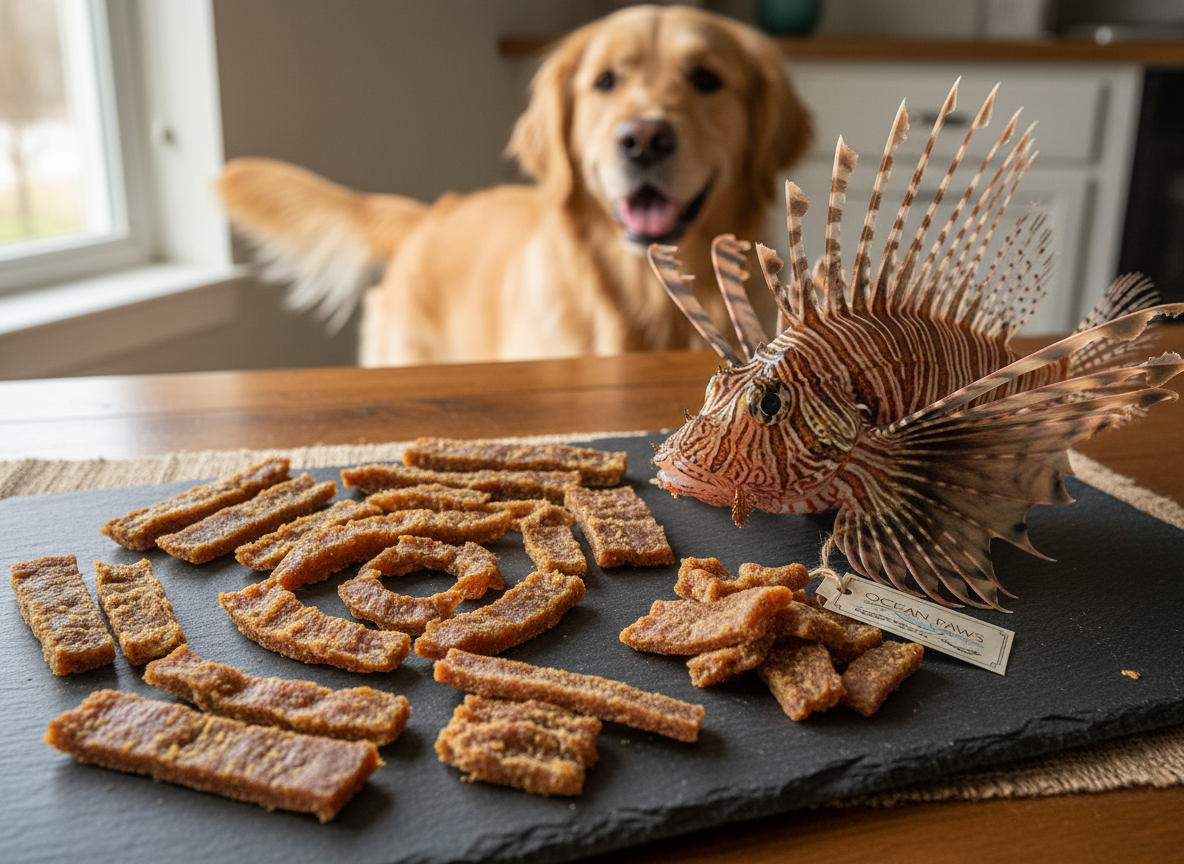
This invasive species is wreaking havoc on Atlantic and Caribbean coral reefs, devouring native fish at an alarming rate. But here’s the insider secret: their delicious, white, flaky meat is a nutritional powerhouse for our dogs. It’s a classic hacker move—turning a massive environmental problem into a superior nutritional solution. Forget overpriced, single-protein treats with questionable fillers. We’re going to create a treat that’s packed with Omega-3s, perfect for dogs with allergies, and directly contributes to marine conservation. This guide will give you the complete blueprint to safely prepare, dehydrate, and store lionfish jerky. It’s time to save the reefs, one delicious treat at a time.
The Canine Nutrition Hacker’s Dossier on Lionfish
Why Lionfish? The Ultimate Canine Superfood Hiding in Plain Sight
Before we step into the kitchen, you need to understand the ‘why’. A true hacker never uses an ingredient without a full intelligence report. Lionfish isn’t a gimmick; it’s a strategic nutritional upgrade.
The Ecological Menace
Native to the Indo-Pacific, lionfish have no natural predators in the Atlantic. They reproduce at an astonishing rate and have a voracious appetite, capable of reducing native reef fish populations by up to 90%. By creating a commercial demand for lionfish—even on a small scale for our pets—we incentivize their removal and give coral reefs a fighting chance to recover. This is sustainable sourcing in its most impactful form.
The Nutritional Breakdown
From a nutritional standpoint, lionfish is an elite ingredient. Let’s look at the data:
- Novel Protein: Most food allergies in dogs are triggered by common proteins like chicken, beef, and lamb. Lionfish is a ‘novel’ protein, meaning your dog’s immune system has likely never encountered it. This makes it an exceptional choice for dogs with sensitive stomachs or itchy skin.
- Rich in Omega-3 Fatty Acids: Lionfish is loaded with EPA and DHA, the powerhouse omega-3s that support cognitive function, reduce inflammation, promote joint health, and give your dog a lustrous coat. It’s a far cleaner source than many farm-raised fish.
- Lean and High in Protein: It’s a very lean meat, making it excellent for weight management. The high-quality protein helps build and maintain strong muscles without adding unnecessary fat.
- Low in Heavy Metals: Unlike large predatory fish like tuna, lionfish are lower on the food chain and have been shown to have significantly lower levels of mercury and other heavy metals, making them a safer seafood choice.
Insider Secret: The venom is located exclusively in the spines. The flesh of the lionfish is 100% non-venomous and perfectly safe to eat. Any lionfish sold for consumption will have these spines removed by a professional. Never attempt to de-spine a lionfish yourself without proper training.
CRITICAL SAFETY BRIEFING: Before You Cook

Your Pre-Op Checklist for Safe Handling and Sourcing
Success in any operation depends on preparation. Making these treats is simple, but there are non-negotiable safety protocols to follow. Your dog’s health is the primary objective.
Mandatory Disclaimer
Let’s be unequivocally clear: I am a canine nutrition analyst, not a veterinarian. This recipe is for supplemental feeding (i.e., treats) only and does not constitute a complete and balanced diet. Always consult with your veterinarian before introducing any new food into your dog’s diet, especially if your dog has underlying health conditions. You are solely responsible for the safety and quality of the ingredients you use.
Sourcing Your Asset: Acquiring Lionfish
You won’t find lionfish fillets next to the tilapia at your local big-box grocery store. You’ll need to do some digging, but that’s what we do.
- Specialty Seafood Markets: Your best bet is a high-end fishmonger. Ask them directly; they can often special-order it.
- Online Purveyors: Companies like ‘Invasive Species Corp’ or ‘Wulf’s Fish’ often sell frozen, vacuum-sealed lionfish fillets directly to consumers. This is an excellent, safe, and reliable option.
- Local Divers: If you live in a coastal area like Florida or the Caribbean, you may be able to buy directly from local divers who participate in lionfish derbies. Ensure they are reputable and follow safe handling practices.
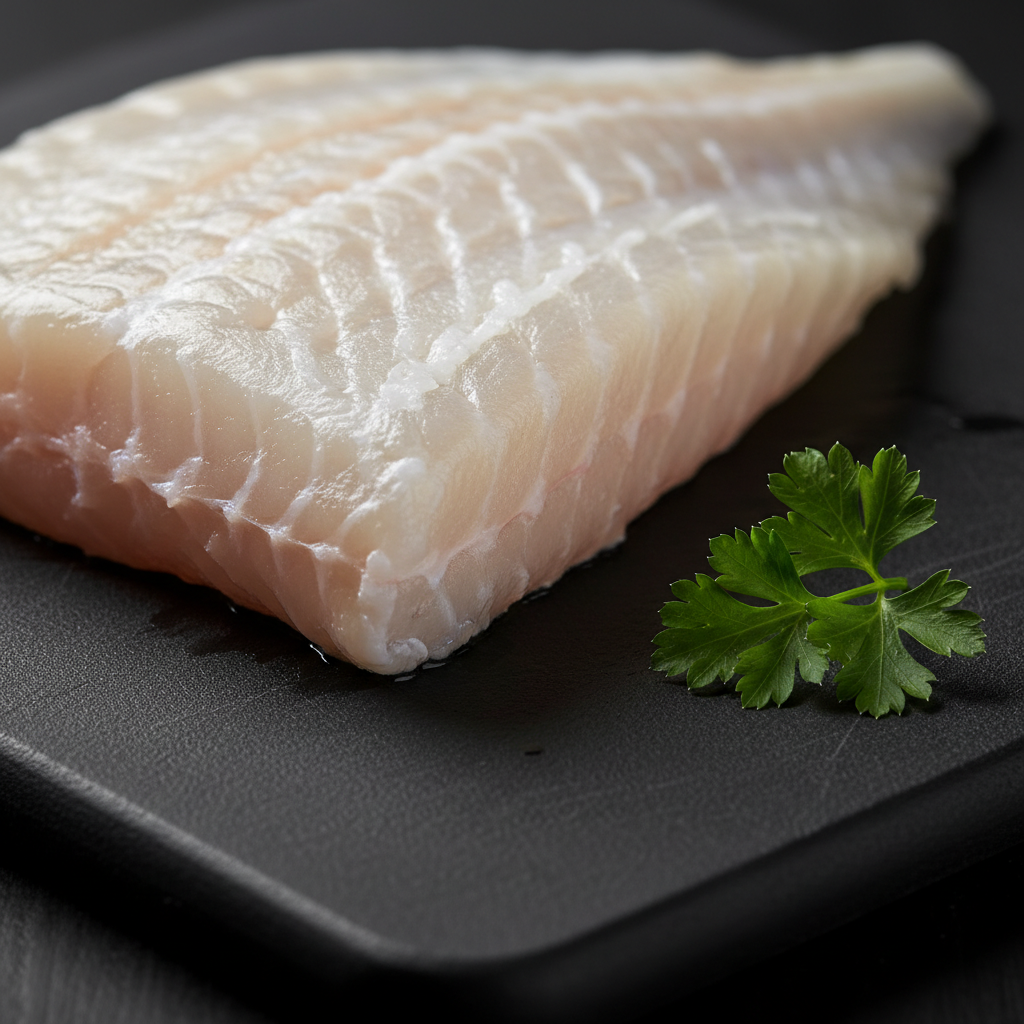
When you acquire the fillets, they should be firm, translucent, and have no ‘fishy’ odor. They should smell clean, like the ocean. As mentioned, ensure the spines have been professionally removed. Do not buy a whole, uncleaned lionfish unless you are an expert in handling them.
The ‘Reef Saver’ Jerky Recipe & Cost Analysis
The Blueprint: From Fillet to High-Value Treat
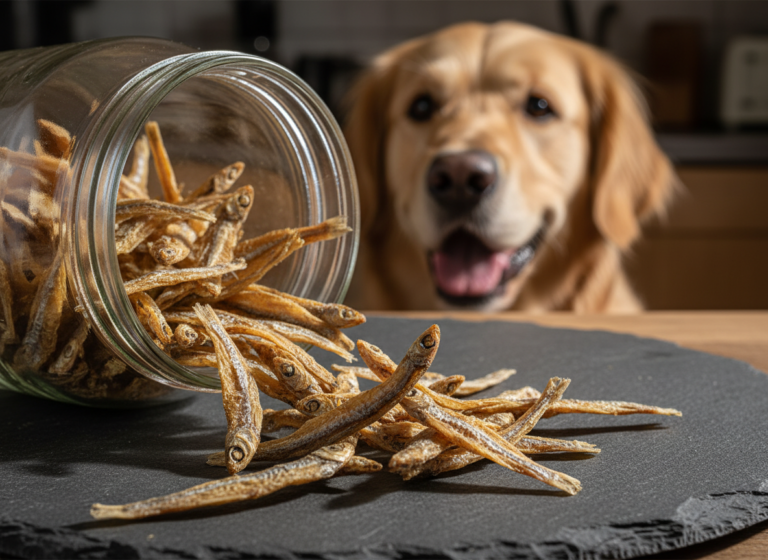
This is where the mission comes together. The process is straightforward, relying on low, slow heat to dehydrate the fish, concentrating its flavor and preserving its nutrients. We’ll use a food dehydrator for best results, but an oven can work in a pinch.
Ingredients & Equipment
- 1 lb Lionfish Fillets: Fresh or fully thawed, patted completely dry.
- 1 Tablespoon Finely Chopped Parsley (Optional): Adds vitamins and can help freshen breath.
- Equipment: Food Dehydrator or Oven, Sharp Fillet Knife, Cutting Board.
Step-by-Step Execution
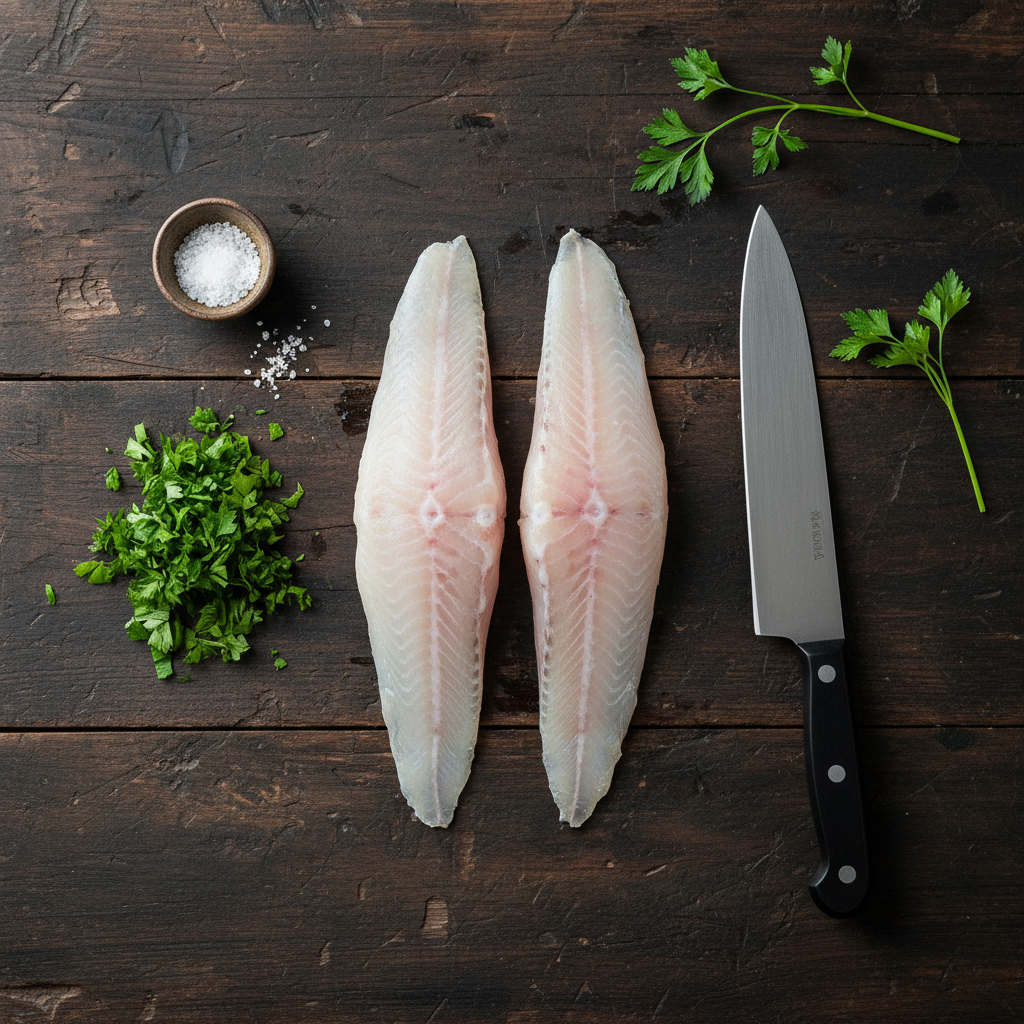
- Prep the Fillets: Lay the dry fillets on your cutting board. If they are thick, you may want to butterfly them to a uniform thickness of about 1/4 inch. The key to good jerky is even drying.
- Slice into Strips: Using a very sharp knife, slice the fillets into long, uniform strips, about 1/2 to 3/4 inch wide.
- Arrange on Trays: Place the strips on your dehydrator trays, ensuring there is space between each piece for air to circulate. Do not let them touch. If using the optional parsley, sprinkle it lightly over the strips.
- Dehydrate: Set your dehydrator to its ‘Fish’ or ‘Meat’ setting, typically around 155-160°F (68-71°C). Let them dehydrate for 6-10 hours.
- Check for Doneness: The jerky is done when it is dry and firm, and snaps when you bend it. It should not be soft or rubbery. If it’s still pliable, it needs more time.
- Cool Completely: Let the jerky cool at room temperature for at least an hour before storing. This prevents condensation from forming in your storage container.
The Cost Breakdown: DIY Hacker vs. Retail Markup
Here’s where being a hacker pays off—literally. Let’s compare the cost of our DIY Reef Saver Jerky to a premium, store-bought, novel-protein treat.
| Metric | DIY Lionfish Jerky | Premium Retail Salmon Jerky |
|---|---|---|
| Source Protein | Wild-Caught Lionfish | Farmed or Wild-Caught Salmon |
| Approx. Cost of Raw Ingredient | $18-$25 per pound | $15-$22 per pound |
| Yield (after dehydration) | Approx. 5-6 oz of jerky | N/A |
| Final Cost Per Ounce | $3.50 – $4.50 | $7.00 – $10.00+ |
| Verdict | Superior novel protein, eco-friendly, and saves you over 50%. You control 100% of the ingredients. | Convenient but double the cost, with potential for added preservatives or glycerin. |
Hacker Tactics: Batch Cooking & Long-Term Storage

Maximizing Efficiency: The Art of the Batch and Store
Making small batches is inefficient. A true hacker optimizes the process for maximum yield and minimum effort. When you find a good source of lionfish, buy in bulk and dedicate an afternoon to production. This stocks your pantry with high-value treats for a fraction of the time and cost.
Long-Term Asset Protection
Proper storage is critical to protect your investment of time and money. Moisture is the enemy; it leads to mold and spoilage. Your goal is a completely dry, airtight environment.
- Short-Term (1-2 weeks): Once the jerky is completely cool, store it in an airtight glass jar or container in the refrigerator. The cold, dark environment will help preserve its freshness.
- Medium-Term (1-3 months): For longer storage, a vacuum sealer is your best tool. Vacuum sealing removes all the air, dramatically extending the shelf life of the jerky. Store the sealed bags in a cool, dark pantry or the refrigerator.
- Long-Term (3-6+ months): For the longest possible storage, place the vacuum-sealed bags in the freezer. This will keep the treats fresh for many months, allowing you to take advantage of bulk ingredient purchases.
Hacker Tip: The ‘Conditioning’ Process. After your jerky has cooled, place it in a Ziploc bag but don’t seal it completely for 24 hours. This allows any residual moisture to equalize among the pieces. If you see any condensation in the bag, the jerky is not dry enough and needs to go back into the dehydrator for another hour or two. This final quality control check ensures a perfect, shelf-stable product.
Conclusion
You’ve now done more than just make a dog treat. You’ve taken an active role in marine conservation, reverse-engineered a premium pet product for half the cost, and provided your dog with a clean, potent source of protein and omega-3s that is free from the allergens and fillers plaguing the commercial market. This is the core philosophy of the Canine Nutrition Hacker: identifying superior solutions, cutting through the industry noise, and taking control of your dog’s nutrition.
By transforming an ecological threat into a nutritional asset, you’ve proven that being a savvy pet owner can have a positive impact far beyond your own home. Now, go reward your loyal companion with a treat that tells a story of health, sustainability, and intelligent sourcing.